 570-630-9354
The Changing Drug Supply in Pennsylvania
Begin Today
The changing drug supply in Pennsylvania reflects a shift toward more potent synthetic substances, increasing overdose risks and complicating treatment efforts, while public health systems adapt to evolving patterns in drug use, distribution, and community impact across the state.
Jump to Section
The changing drug supply in Pennsylvania can make substance use even more dangerous for you or someone you love. Pills, heroin, cocaine, and other drugs may now contain fentanyl, xylazine, or other substances people did not expect. This means the risk of overdose can rise, even when someone thinks they know what they are taking. It can feel scary, confusing, and hard to know what step to take next. Still, help is available, and you do not have to figure it out alone. Learning what is happening can help you make safer choices and find support sooner. If you are searching for care, a rehab center Lake Ariel PA trusts may help you start treatment in a safe, structured place.
Current Drug Supply Trends in Pennsylvania
The changing drug supply in Pennsylvania is harder to predict than many people realize, and that makes daily choices more risky. Street drugs may look the same, but the contents can change from one batch to the next. You may see stronger opioids, animal sedatives, fake pills, and unknown powders. These changes affect people using drugs, families, first responders, and anyone trying to find help right now with real treatment.
Synthetic Opioids And Fentanyl
Synthetic opioids have changed what many people face on the street. Fentanyl can be mixed into heroin, cocaine, pills, and other drugs without clear signs. You may not see it, taste it, or know it is there. That is why the fentanyl drug supply in Pennsylvania has become a serious risk.
Even a small amount can cause an overdose, especially when someone has not used opioids before or has lower tolerance. People often ask how to use fentanyl test strips because testing can lower risk, but strips cannot make drug use safe. They may not show every danger in a sample. Still, they can give useful information before someone takes a drug. If you or someone close to you uses substances, keeping naloxone nearby can also save a life.
Xylazine In The Drug Supply
Xylazine has made the drug supply in Pennsylvania even more dangerous because it adds risks that naloxone cannot fully reverse. This drug is not an opioid, but it is often found with opioids. When someone uses fentanyl mixed with xylazine, breathing can slow, sedation can last longer, and wounds may become severe. People may not know xylazine is present until something goes wrong.
That uncertainty can make every use more dangerous. You may hear xylazine called tranq, but the nickname can hide how serious it is. It can lead to deep sleep, confusion, injury, and delayed medical care. If wounds, heavy sedation, or repeated overdoses appear, it is time to seek help quickly. Medical support can lower harm and connect someone to treatment that feels safer and more steady sooner.
Counterfeit Pills And Unknown Substances
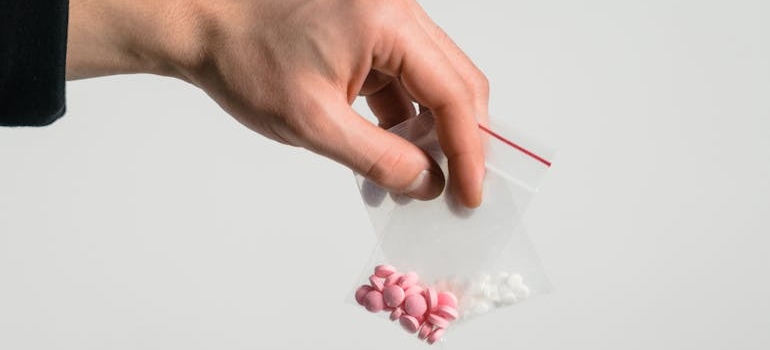
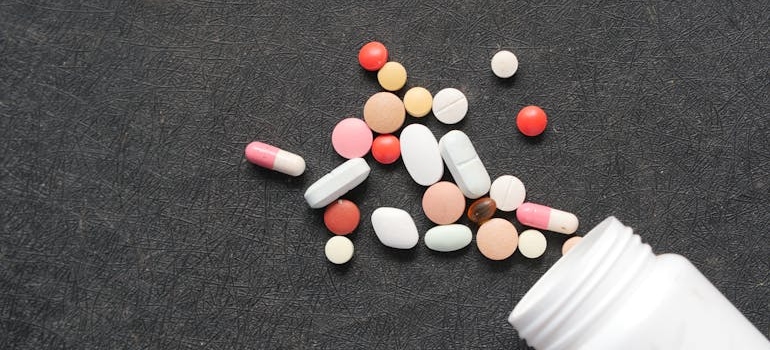
Counterfeit pills and unknown substances make the changing drug supply in Pennsylvania risky because a pill may look familiar but contain something else. Fake pills can look like prescriptions, yet they may carry fentanyl or other drugs. Watch for these serious risks when someone buys pills outside medical care:
- Fake pills may look like oxycodone, Xanax, or Adderall, but contain fentanyl or other hidden drugs.
- Powders can change strength between batches, even from one seller, so past use does not prove safety.
- Drugs mixed with fentanyl in Pennsylvania may increase overdose risk without warning, especially when someone uses alone.
- One pill can contain substances that affect breathing, heart rate, memory, or awareness very quickly.
- Testing, naloxone, and medical help matter because guesses are not enough when supply keeps changing.
Why The Changing Drug Supply Is Dangerous
The drug supply in Pennsylvania does not stay the same, and that makes it harder to stay safe. You may think you know what you are using, but street drug supply changes can happen fast. Strength, content, and effects can shift without warning. That puts you at higher risk, even if you have used before. These dangers affect both new users and long-term users in serious ways.
Increased Overdose Risk
Overdose risk has gone up because the changing drug supply in Pennsylvania often includes fentanyl and other strong substances. Even small amounts can slow or stop breathing. People who take a break from use may lose tolerance, which makes the next use more dangerous. Using alone also raises risk because no one is there to help if something goes wrong.
A Newburgh rehab center or similar program can help you step away from that risk and get medical support right away. Naloxone can reverse some overdoses, but not all, especially when more than one drug is involved. Quick action matters, yet prevention matters more. Getting help early can lower your chances of facing a life-threatening situation.
Challenges For First Responders
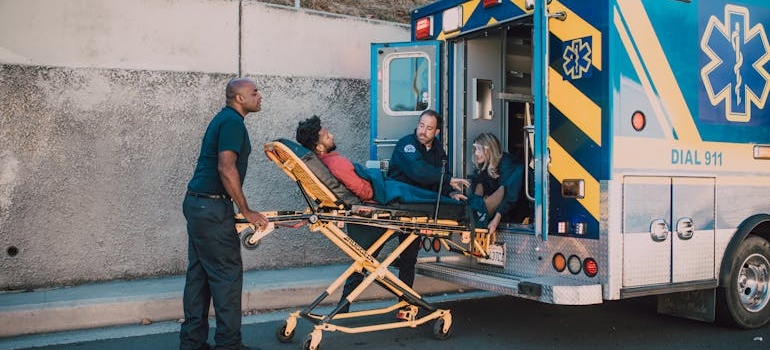
First responders face growing challenges because the changing drug supply in Pennsylvania creates complex overdose scenes that are harder to manage. Multiple substances, delayed reactions, and unknown mixtures make care more difficult. These factors can slow response and raise risk for everyone involved in emergency situations:
- Overdoses may involve more than one drug, which can require repeated or higher doses of naloxone to respond.
- Xylazine does not respond to naloxone, so breathing support and longer care may be needed on scene.
- Unknown substances can cause confusion, seizures, or heart issues, which complicate quick decisions during emergencies.
- Street drug supply changes make it harder to predict how a person will respond to treatment in the moment.
Unpredictable Drug Potency
Drug strength is not consistent anymore, and that can lead to serious harm. One batch may feel mild, while the next is much stronger. This is part of the fentanyl drug supply in Pennsylvania, where even small changes can have big effects. You may not notice the difference until it is too late.
People who seek heroin rehab centers often say they could not trust what they were using anymore. That loss of control can feel overwhelming. It also makes planning safer use very hard. Even people who try to limit use may face unexpected reactions. This is why many choose treatment, where care is steady and monitored. Stable support can help you regain control and reduce risk over time.
Public Health And Community Impact
The changing drug supply in Pennsylvania affects more than individual use. It touches families, neighborhoods, and local health systems every day. When drugs become stronger and less predictable, the impact spreads fast. You may see more overdoses, more stress on services, and more fear in communities. These changes make it harder to respond quickly and effectively. Still, clear steps can reduce harm and support recovery in real ways.
Strain On Families And Communities
Families often feel the impact before anyone else does. You may notice changes in behavior, health, or daily routines. That can bring fear, stress, and confusion. Parents, partners, and friends may try to help but feel unsure what to do next. Over time, this stress can affect work, finances, and relationships.
Communities also feel pressure as emergency calls rise and local resources stretch thin. Schools, workplaces, and social services may all see the effects. This can lead to burnout for those trying to help. Still, support systems can make a difference. Family counseling, peer groups, and local programs can offer guidance. When people come together and share resources, it becomes easier to respond with care instead of fear.

Rising Harm Reduction Needs
Harm reduction has become more important as the changing drug supply in Pennsylvania continues to shift. People need tools and support that meet them where they are. Simple steps can lower risk and save lives, even before someone enters treatment. Communities are working to expand these options:
- Access to naloxone kits
- Fentanyl and drug checking tools
- Safe use education
- Outreach teams
- Wound care services
Barriers To Timely Treatment
Getting help is not always simple, even when someone is ready. Cost, access, and stigma can slow things down. You may wonder if insurance will cover care, especially with questions about blue cross blue shield drug rehab coverage. Travel distance, waitlists, and lack of clear information can also delay treatment.
Some people fear judgment or worry about losing work or housing. These barriers can make it harder to take the first step. Still, options do exist. Many programs offer payment plans, insurance help, and flexible care levels. Reaching out to a provider can clarify what is possible. The sooner you ask questions, the sooner you can find a path that works for your situation.
Rehab And Treatment Options
The changing drug supply in Pennsylvania makes treatment more important than ever. You may feel unsure where to start, but real help is available right now. Treatment can give you safety, structure, and support when things feel out of control. It can also help you manage withdrawal, understand triggers, and rebuild daily life. You do not have to face this alone. Each step can move you toward stability and recovery.

Medical Detox And Stabilization
Medical detox is often the first step when substances have taken over daily life. During drug detox Pennsylvania programs, your body clears drugs while medical staff monitor your safety. This can help manage withdrawal symptoms like pain, anxiety, nausea, and cravings. Detox can feel hard, but support makes a real difference.
Staff can adjust care based on how your body responds. This reduces risk and helps you stay stable through the process. Detox alone is not full treatment, but it prepares you for the next steps. After detox, many people move into structured programs for deeper support. Starting with medical care can make the process safer and more manageable. It also gives you a clear starting point toward recovery.
Residential Rehab Programs
Residential care gives you a stable place to focus fully on recovery. Inpatient drug rehab in Pennsylvania offers daily structure, therapy, and support away from outside triggers. You stay at the facility, which allows staff to monitor progress and respond to your needs. This setting can help you break patterns that are hard to change at home.
You will take part in counseling, group sessions, and skill building. These programs often include mental health support as well. Over time, you can build routines that support long-term recovery. Residential care also connects you with others facing similar struggles. That shared experience can reduce isolation and build trust. For many people, this level of care creates a strong foundation.
Long-Term Recovery Support
Recovery does not end after rehab, and long-term support helps you stay on track as life continues. Ongoing care can help you manage stress, avoid relapse, and rebuild daily routines with steady guidance and real support from people who understand what you are going through:
- Outpatient programs that provide flexible care while you return to daily responsibilities like work or school.
- Individual therapy sessions that help you process emotions, triggers, and personal challenges over time.
- Support groups where you can share experiences and build connections with others in recovery.
- Sober living homes that offer structure and accountability in a safe, substance-free environment.
- Relapse prevention planning that helps you recognize warning signs and respond early.
- Peer recovery coaching that gives you guidance from someone who has been through similar experiences.

Help Is Here When You’re Ready
The changing drug supply in Pennsylvania is more dangerous and less predictable than it used to be, but you still have options. If substance use has become hard to control, waiting can raise the risk. Reaching out now can help you protect your health and start making safer choices. Treatment can give you medical support, structure, and people who know how to help without judgment. It can also help you understand cravings, rebuild routines, and plan for life after rehab. You do not need to have everything figured out before asking for help. You only need one honest step forward. Reach out to us and you can move toward a safer, steadier future.
Frequently Asked Questions
What is driving the changing drug supply in Pennsylvania?
The changing drug supply in Pennsylvania is largely driven by the spread of synthetic opioids, changing trafficking patterns, and the appearance of new substances mixed into street drugs.
Why is the changing drug supply dangerous?
It increases overdose risk because drugs may be stronger, unpredictable, or mixed with substances people do not expect, such as fentanyl or xylazine.
How can communities respond to these changes?
Communities can expand harm reduction services, improve access to treatment, increase drug-checking resources, and provide education about overdose prevention and naloxone use.
Admissions
Family Programs
“5-star treatment
experience”
Every element of this treatment experience is 5-star: one-on-one counseling, group therapy, Adventure Trek, lodging, amenities, food, staff. Inpatient and outpatient services are the best you’ll find anywhere. Staff truly care for each individual and want to see them succeed in their recovery. A very special place. Love LC from the bottom of my heart
Meg Boyle |


Take the First Step Towards a Healthier Life
Begin Today