 570-630-9354
Fentanyl and Xylazine: Why This Drug Combination Is So Dangerous
Begin Today
Fentanyl mixed with xylazine increases overdose danger because both can slow breathing and cause deep sedation. Xylazine-associated wounds can become severe, and Pennsylvania has seen significant exposure. Naloxone cannot reverse xylazine but should still be given for opioid overdose, alongside emergency care, harm reduction, treatment.
Jump to Section
Fentanyl mixed with xylazine is dangerous because it combines a powerful opioid with a sedative that can deepen drowsiness, slow breathing, and complicate overdose response. Xylazine, sometimes found in illicit fentanyl and known as part of “tranq dope,” is not an opioid and cannot be reversed by naloxone. However, naloxone should still be given during a suspected overdose because fentanyl or another opioid may also be present. Xylazine exposure is also linked to serious skin wounds that need medical care before they worsen. Pennsylvania has been significantly affected by xylazine in the illicit drug supply, making it especially important to recognize overdose signs and know how to respond. People struggling with ongoing opioid use can also seek support through a Pennsylvania rehab program.
Fentanyl in the Illicit Drug Supply
Fentanyl is used medically for severe pain, but pharmaceutical fentanyl and illegally manufactured fentanyl are not the same. The current concern about xylazine primarily involves illegally manufactured fentanyl circulating in the unregulated drug supply, not fentanyl prescribed and monitored by healthcare professionals.
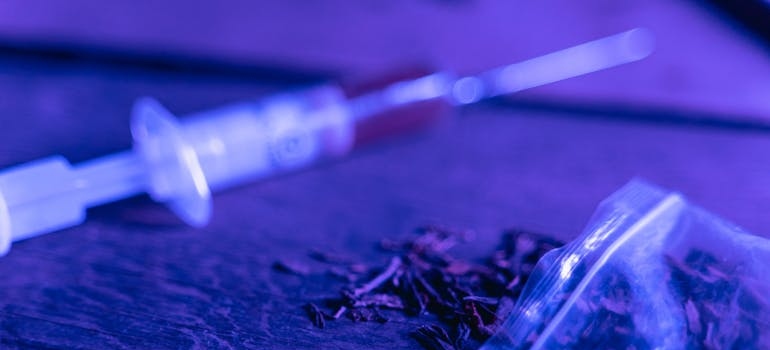
Illegally manufactured fentanyl may be sold as a powder, mixed into other drugs, or pressed into counterfeit pills made to resemble prescription medications. Because the contents of these products are unpredictable, a person may be exposed to fentanyl or xylazine without knowing it. CDC reports that xylazine has increasingly been detected alongside illicit fentanyl, making it important to understand what xylazine is and how it changes the risks of opioid exposure.
What Is Xylazine and Why Is It Dangerous?
Learning what you should know about Tranq, also known as Xylazine, can help you understand why xylazine changes the risks associated with fentanyl. Xylazine is a non-opioid sedative used in veterinary medicine to calm animals and support certain medical procedures. It is not approved by the FDA for use in people. Unlike fentanyl, xylazine is not an opioid and works differently in the body.
That difference matters during an overdose. Naloxone can reverse the opioid effects of fentanyl, but it cannot reverse xylazine itself. Xylazine can still contribute to deep sedation, slowed breathing, low blood pressure, and a slower heart rate. Because xylazine is often found alongside fentanyl in the illicit drug supply, a person may be exposed to both substances without knowing it.
Xylazine-Associated Wounds
Xylazine exposure has been associated with serious skin wounds that may worsen without proper care. These wounds are not limited to places where a person injects drugs and may also appear on other areas of the body. If left untreated, damaged skin can become infected and progress into deeper tissue, making treatment more difficult. In severe or advanced cases, complications may become serious enough to require surgery or amputation.
Early medical attention can make a major difference. The CDC recommends seeking professional care for xylazine-associated wounds before they become more severe. Treatment may involve cleaning the wound, managing infection, protecting damaged tissue, and monitoring healing. Anyone with a new, worsening, painful, swollen, or draining wound after possible xylazine exposure should seek medical evaluation promptly.
Understanding Fentanyl Mixed With Xylazine
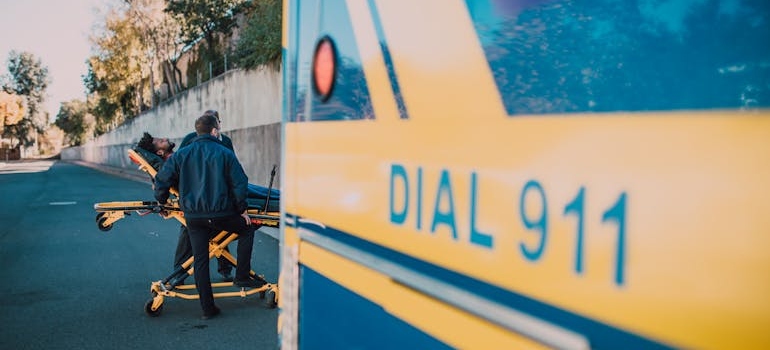
Fentanyl alone is already deadly, but things get even worse when xylazine is added. This mix is showing up more often in street drugs and is driving a sharp rise in overdoses. Fentanyl hits the opioid receptors, while xylazine works as a sedative, making it harder to breathe. The fentanyl dangers become more complicated when xylazine is also present because both substances can contribute to severe sedation and breathing problems.
Health Risks of Fentanyl and Xylazine Exposure
The health risks tied to Fentanyl mixed with Xylazine are serious. The mix can damage your body in ways that pure opioids don’t. Xylazine adds new dangers, including severe skin wounds and infections. Some people have even lost limbs. Anyone exposed to this drug combo should seek medical help right away. Many start with drug rehab Pennsylvania programs that are now learning how to deal with these added risks. Treatment must cover both the opioid and sedative effects.
The impacts are still being studied, but what we know so far is alarming:
- Profound sedation
- Slowed or impaired breathing
- Low blood pressure
- Slowed heart rate
- Overdose
- Xylazine-associated wounds and infections
- Complications from polysubstance exposure
Recognizing the Signs of Xylazine Exposure
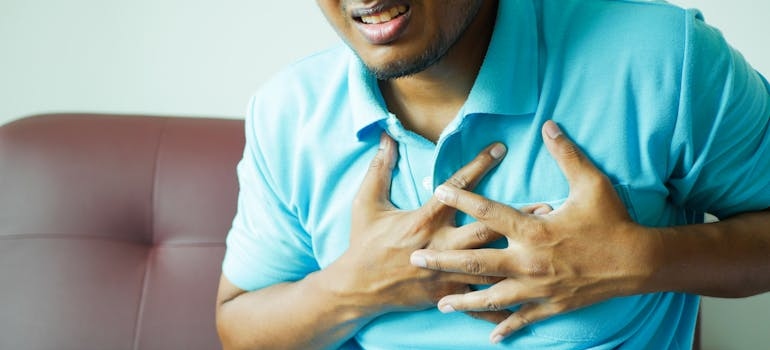
Spotting xylazine exposure early can save a life. Many people who overdose on Fentanyl mixed with Xylazine show different signs than with fentanyl alone. If you or someone you love uses opioids, stay alert. Some of the Pennsylvania opioid treatment programs now train people to recognize xylazine effects and offer harm reduction kits.
- Slow breathing
- Severe drowsiness
- Skin sores
- Blue lips or nails
- Confusion
Xylazine and Fentanyl in Pennsylvania
Pennsylvania has been significantly affected by xylazine in the illicit opioid supply. Preliminary state data show that xylazine contributed to 1,135 overdose deaths across 51 Pennsylvania counties in 2023, compared with 51 deaths in 2018. Xylazine was involved in about 24% of all unintentional and undetermined overdose deaths in the state in 2023.
Philadelphia has seen particularly high exposure. In 2024, xylazine was detected in 364 overdose deaths, or 34% of all overdose deaths in the city. Among those xylazine-involved deaths, 99% also involved fentanyl or a fentanyl analog, showing how closely xylazine remains connected to the illicit fentanyl supply in Pennsylvania.
What to Do During a Suspected Fentanyl-Xylazine Overdose
If someone may have overdosed on fentanyl mixed with xylazine, act quickly. Xylazine does not respond to naloxone, but fentanyl and other opioids do, so naloxone is still essential. A person may remain very sleepy after naloxone because xylazine can continue causing sedation. That does not mean the naloxone failed. While waiting for emergency help, focus on keeping the person breathing and staying with them. If you suspect an overdose involving fentanyl or another opioid, take these steps while waiting for emergency help:
- Give naloxone as soon as possible if an opioid overdose is suspected.
- Call 911 immediately and follow the dispatcher’s instructions.
- Stay with the person and watch their breathing and responsiveness.
- If they are not breathing normally, provide rescue breathing or CPR when appropriate and according to emergency guidance.
- If they are breathing but unconscious, place them on their side in the recovery position when appropriate.
- Give another dose of naloxone if recommended by the product instructions and opioid overdose symptoms continue.
- Do not assume naloxone failed if the person remains sedated, since xylazine can continue causing drowsiness even after the opioid effects begin to reverse.
Treatment Challenges and Options
Getting clean from Fentanyl mixed with Xylazine is tough but possible. Detox is harder because xylazine makes withdrawal more severe. Treatment centers are learning to adjust care plans for people exposed to these drugs. Below, we explain the main challenges, what detox is like, and how to find centers that truly understand this crisis.
Detox and Treatment After Fentanyl and Xylazine Exposure
Care after repeated fentanyl and xylazine exposure should address each substance and medical issue separately. A person may have opioid dependence or opioid use disorder involving fentanyl, repeated xylazine exposure, other substance use, and wounds or infections that need medical attention.
Treatment should begin with an assessment of withdrawal risk, physical health, substance use patterns, and any complications. A detox center in Pennsylvania can help manage opioid withdrawal and monitor the person during early stabilization. Xylazine-related symptoms or wounds may require additional medical care, while ongoing opioid use disorder may be treated with evidence-based medications, counseling, and continued recovery support.
Finding Specialized Treatment Centers
Not all rehab centers are prepared to address the risks linked to fentanyl and xylazine exposure. When comparing an inpatient drug rehab in Pennsylvania, look for a program that can assess opioid use disorder, other substance use, withdrawal risks, and related medical concerns. These centers may provide medical detox, therapy, and long-term recovery support based on the person’s needs.
Before choosing a facility, ask how it treats fentanyl-related opioid addiction, whether medications for opioid use disorder are available, and how medical complications are handled or referred for outside care. The right treatment plan should address each issue appropriately while supporting safer, more stable recovery.

Practical Harm Reduction in Pennsylvania
Pennsylvania has expanded access to practical harm-reduction tools as fentanyl and xylazine continue to appear in the illicit drug supply. During SFY 2024–25, the state distributed 508,525 fentanyl test strips, 411,075 xylazine test strips, and 410,550 overdose-reversal kits. Looking at the most prevalent street drugs in PA also helps explain why fentanyl and xylazine remain important harm-reduction concerns across the state. Carrying naloxone remains essential because it can reverse fentanyl or another opioid, even though it does not reverse xylazine itself.
Drug-checking strips can help identify some risks, but they cannot confirm that a substance is safe. Avoiding drug use alone can also improve the chance that someone can respond during an overdose. People with worsening or infected xylazine-associated wounds should seek medical care promptly. Ongoing fentanyl or opioid use is also a reason to consider evidence-based addiction treatment and recovery support services.
The Road Ahead: Prevention and Policy Efforts
The fight against Fentanyl mixed with Xylazine is far from over. Health officials are pushing for stricter rules to control Xylazine in illicit drug mixtures. New laws aim to track and limit its supply, but progress takes time. Public health teams are also working hard to raise awareness and train people on how to spot and respond to overdoses.
Some cities are setting up more harm reduction centers to keep people safer. Treatment centers are expanding services to handle new challenges linked to Xylazine use. You can help by spreading the word and staying informed. If you or someone you know is at risk, seek help right away. Policy changes matter, but community action saves lives too. Staying alert and connected is key as this crisis continues to grow.
Get Help for Fentanyl and Xylazine Use
Fentanyl mixed with xylazine can be difficult to identify because people may not know xylazine is present in the illicit drug supply. That uncertainty makes it especially important to know how to respond. If an opioid overdose is possible, give naloxone and call 911, since naloxone can reverse fentanyl or another opioid even though it does not reverse xylazine itself. Serious or worsening xylazine-associated wounds also need medical attention because they can become infected and damage deeper tissue. For people who continue using fentanyl or other opioids, evidence-based addiction treatment can reduce overdose risk and support long-term recovery. Little Creek Recovery PA provides opioid addiction treatment in Pennsylvania for people who are ready to take that next step.
Frequently Asked Questions
What happens when fentanyl is mixed with xylazine?
Fentanyl can dangerously slow or stop breathing, while xylazine adds strong sedation and can lower heart rate and blood pressure. Together, they can make an overdose more complicated and prolonged. Xylazine is not an opioid, so its effects remain even after the opioid effects of fentanyl have been reversed with naloxone.
Does Narcan work on fentanyl mixed with xylazine?
Narcan, or naloxone, reverses opioid effects from fentanyl but does not reverse xylazine. It should still be given whenever an overdose is suspected because xylazine is commonly mixed with fentanyl or other opioids. Pennsylvania health officials note that naloxone can restore breathing from the opioid component within about 2–3 minutes, although xylazine sedation may continue.
What are xylazine wounds, and can they happen without injecting?
Xylazine is associated with severe ulcers and areas of damaged or dying tissue that may become infected and extend deeply into skin, muscle, or even bone. Although wounds often occur around injection sites, they can appear elsewhere. Pennsylvania guidance reports that these wounds have also occurred when drugs containing xylazine were smoked, snorted, or injected.
How common is xylazine in Pennsylvania?
Pennsylvania has experienced substantial xylazine exposure. Preliminary state figures reported 1,135 xylazine-involved overdose deaths across 51 counties in 2023, compared with 51 deaths in 2018. In Philadelphia, xylazine was detected in 34% of all overdose deaths in 2024, and 99% of those xylazine-involved deaths also involved fentanyl or a fentanyl analog.
What should I do if I suspect a xylazine-related overdose?
Call 911 and give naloxone immediately if it is available. Stay with the person, keep their airway clear, place them on their side if appropriate, and provide rescue breathing if they are not breathing normally. CDC guidance recommends one rescue breath about every 5 seconds for adults after the initial breaths while emergency help is coming.
Admissions
Family Programs
“5-star treatment
experience”
Every element of this treatment experience is 5-star: one-on-one counseling, group therapy, Adventure Trek, lodging, amenities, food, staff. Inpatient and outpatient services are the best you’ll find anywhere. Staff truly care for each individual and want to see them succeed in their recovery. A very special place. Love LC from the bottom of my heart
Meg Boyle |


Take the First Step Towards a Healthier Life
Begin Today