570-630-9354
Our Program
Begin Today
Little Creek Lodge opened in 2007 to fill a real gap in addiction care. Through the 1990s and early 2000s, people leaving primary treatment were often sent to flop houses, sober houses, and halfway houses that offered little structure or support, and many of them relapsed. At the same time, a new wave of young adults was coming out of the opioid epidemic. Treatment needed to evolve.

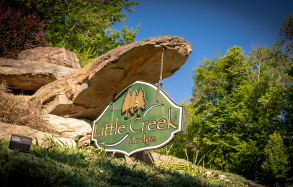
How Little Creek Got Its Name
The name came long before the land did. When one of our founders was eight years old, his father painted a wooded scene with a little creek running through it. Years later, his mother-in-law gave him a large oil painting of almost the same scene. That painting traveled with him to every counseling job he held for the next two decades.
When the founders set out to open their own treatment center, finding the right property was the hardest part. After touring building after building, they were close to giving up when a real estate agent asked to show them one more place. It was so remote there was no access road, so they parked on the neighboring property and walked over. Running through the land was a little creek. It felt right, and the name followed naturally.
Why Extended Care
By the mid-2000s, programs out West had shown that extended care leads to stronger long-term recovery than short stays alone. That approach was slow to reach the East Coast. Little Creek opened just as the need was growing, with opioids, benzodiazepines, and research chemicals affecting young adults across the country.
A Program Built for Men
Our residential program serves adult men only. Extended care lasts three months or longer, and a single-gender setting helps residents stay focused on recovery during that time.
From the start, Little Creek also moved away from “containment.” Traditional treatment kept people in one building from admission to discharge. Our residents get out into the world while they’re in treatment, which was a new approach for the industry at the time.
The program brought together pieces that were rarely offered together east of the Mississippi: a Twelve-Step foundation, an adventure trek program, and vocational and educational support. The goal was to build sober communities of alumni who could mentor the residents coming up behind them.
Adventure Trek and Clinical Education
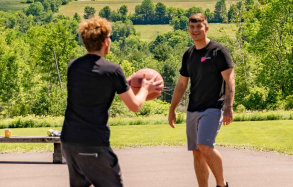
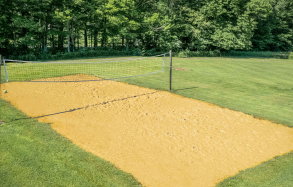
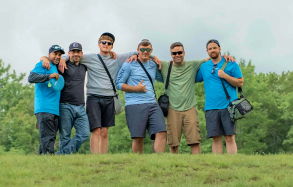
The program week is split between Adventure Trek and clinical education. Adventure Trek follows the seasons of the Northeast. Summer brings river kayaking, white-water rafting, zip-lining, mountain biking, fishing, and team sports. Winter means indoor rock climbing, skiing, snowshoeing, hiking, swimming, and bowling. These outings push residents mentally and physically, and they’re one of the best ways we know to build teamwork and community.
Music Expressions
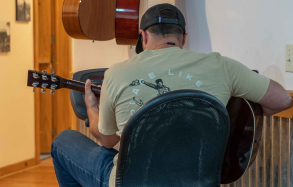
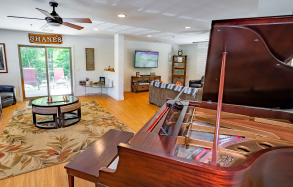
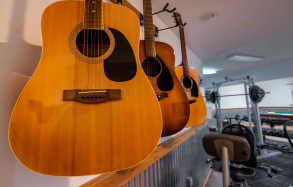
Our studio gives residents a place to be creative and try new things. Restarting the imagination without drugs or alcohol is an important step in early recovery, and it takes motivation, work, and coaching. Addiction often makes self-expression difficult, and music can carry its own triggers. Making music in a healthy setting and letting thoughts flow without fear can feel unfamiliar at first. Seeing a piece through from start to finish gives residents a real sense of accomplishment.
Music Expressions and Adventure Trek bring the community together, and the two halves of the program become a whole. When the community is well, each person in it has a better chance at recovery.
Community, Family, and Alumni
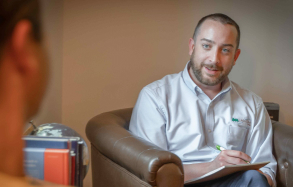
Our approach is rooted in the AA model, one of the best examples of a healing community. We give personal attention to every resident, and we stay committed to family education from the day of admission to years after completion.
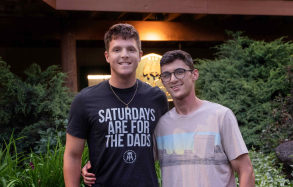
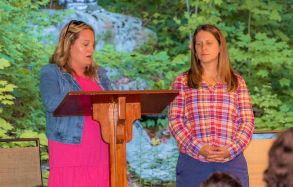
We’re proud of our alumni and the sober community that has grown here in Northeast Pennsylvania. Our alumni stay committed to a sober lifestyle and give back to current residents. Many families have stayed connected too, attending family groups in their hometowns and still joining our Sunday family groups at Little Creek.
Admissions
Family Programs
“5-star treatment
experience”
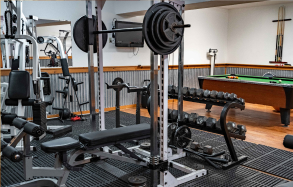
Every element of this treatment experience is 5-star: one-on-one counseling, group therapy, Adventure Trek, lodging, amenities, food, staff. Inpatient and outpatient services are the best you’ll find anywhere. Staff truly care for each individual and want to see them succeed in their recovery. A very special place. Love LC from the bottom of my heart
Meg Boyle |


Take the First Step Towards a Healthier Life
Begin Today