570-630-9354
How to Use Fentanyl Test Strips: A Simple Step-by-Step Guide
Begin Today
Fentanyl test strips can help detect fentanyl in drug samples, but preparation and result interpretation depend on the specific strip. A negative result does not guarantee safety. Carrying naloxone, recognizing overdose symptoms, and calling emergency services remain essential measures for preventing fatal overdoses.
Jump to Section
You cannot tell whether a pill or powder contains fentanyl just by looking at it. Even drugs sold as something else may contain this powerful opioid, which increases the risk of overdose. Learning how to use fentanyl test strips gives you a way to check a sample before use, but the steps depend on the strip you have. You need to prepare the sample correctly, follow the timing instructions, and know what each result means. A negative test does not prove a drug is safe, so keeping naloxone nearby is still important. If drug use is becoming difficult to control, a rehab center in Pennsylvania can help you explore appropriate treatment options. During a suspected overdose, call 911 immediately.
What Are Fentanyl Test Strips and How Do They Work?
Fentanyl test strips are small testing tools that help detect fentanyl in a drug sample. They work by reacting to substances in a prepared liquid sample and displaying lines that indicate the result. You can use them to check certain powders, pills, and other substances before use.
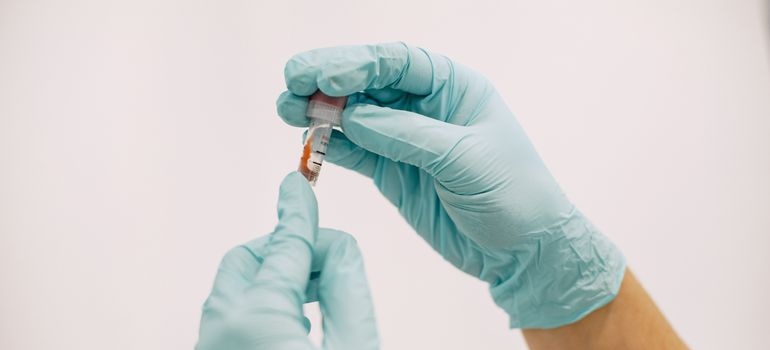
The deadly reality of fentanyl laced drugs is that you cannot identify fentanyl through appearance, smell, or taste. According to the CDC, illegally manufactured fentanyl is approximately 50 to 100 times stronger than morphine. Although testing may help you identify unexpected fentanyl, these strips cannot measure its amount or confirm that a substance is safe. They may also miss certain fentanyl-related drugs.
What You Need Before Using Fentanyl Test Strips
Before learning how to use fentanyl test strips, check which brand you have. Different manufacturers may require different amounts of water, sample preparation methods, and testing times. Pennsylvania’s Department of Drug and Alcohol Programs (DDAP) provides separate instructions for BTNX and WHPM strips.
Prepare your supplies before opening the test. You should have the following items available:
- Fentanyl test strip: Choose a product from a trusted harm reduction organization, public health program, or established supplier.
- Clean container: Use a small cup or another container suitable for mixing the sample.
- Clean water: Measure the amount specified in your strip’s instructions.
- Clean surface: Choose a stable area where you can prepare the sample without contamination.
- Good lighting: Make sure you can see the result lines clearly.
- Timer: Use one to follow the manufacturer’s dipping and reading times.
- Manufacturer’s instructions: Keep the product’s instruction sheet nearby to check the correct sample preparation, dipping method, and result interpretation.
How to Use Fentanyl Test Strips: Step-by-Step Instructions
Learning how to use fentanyl test strips involves preparing a liquid sample, dipping the strip, waiting, and reading the result. However, there is no single testing method that applies to every product. Always check the instructions supplied with your strip before starting. The following steps explain the general process without replacing the manufacturer’s specific directions.
Step 1: Prepare the Drug Sample
Start with the sample preparation method recommended for your particular test strip. The amount of drug and water needed depends on the manufacturer and the substance being tested.
Place the recommended sample into a clean container and add the required water. Mix according to the product instructions before testing. Incorrect dilution may affect the result, so avoid guessing how much water to use. Remember that testing only one portion of a pill or powder may miss fentanyl elsewhere in the supply.

Step 2: Dip the Fentanyl Test Strip Into the Sample
Once the sample is prepared, remove a new strip from its packaging. Check which end belongs in the liquid and whether the manufacturer marks a maximum dipping line.
Hold the strip as directed and lower the testing end into the prepared sample. Do not immerse it beyond the indicated limit. Keep it in the liquid for the time specified by the manufacturer. Different strips have different requirements, so avoid assuming that instructions from another brand also apply to yours.
Step 3: Wait for the Recommended Testing Time
After dipping the strip for the required period, remove it and follow the manufacturer’s directions for placing it on a clean surface.
Allow the result to develop for the specified time before reading it. The CDC reports that fentanyl test strips typically provide results within five minutes, although individual products differ. Do not read the strip too early or after the permitted reading window. Results that appear outside the manufacturer’s stated time may not be reliable, even when the lines seem clear.
Step 4: Read the Fentanyl Test Strip Results
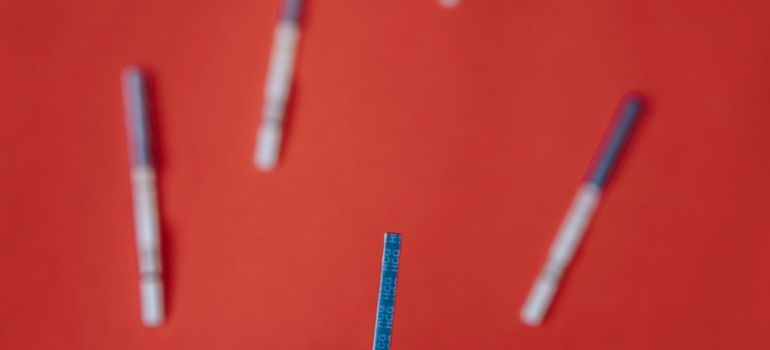
Check the strip under good lighting and compare the visible lines with the manufacturer’s result chart. Most common fentanyl test strips use a control line and a separate test line.
For many products, two lines indicate a negative result, while only the control line indicates a positive result. However, you must confirm the interpretation for your specific strip. If the control line does not appear, the test is generally invalid. Never treat a missing or unclear result as proof that fentanyl is absent.
How to Interpret Fentanyl Test Strip Results
Fentanyl test strip results generally fall into three categories: positive, negative, or invalid. Their meaning depends on the specific product’s instructions. Check the control line first, then examine the test line. If you are also considering addiction treatment, you can review blue cross blue shield drug rehab coverage separately to understand your insurance benefits.
What Does a Positive Fentanyl Test Strip Mean?
A positive fentanyl test strip suggests that fentanyl or a substance detected by the strip is present in the tested sample. On many common strips, a positive result appears as one visible control line without a second test line.
However, a positive result does not reveal how much fentanyl is present. Some substances may also interfere with testing and produce false positives. Avoid using the tested substance, and consider contacting a community drug-checking service if you need more detailed information about its contents.
What Does a Negative Fentanyl Test Strip Mean?
A negative result means the strip did not detect fentanyl in the prepared sample at a level the test can identify. On many common products, two visible lines indicate a negative result.
However, a negative result does not prove that the drug is fentanyl-free or safe. The CDC warns that test strips may miss certain powerful fentanyl-like substances, including carfentanil. Fentanyl may also be unevenly distributed in a pill or powder, meaning another portion could contain it despite a negative test.

What Do Invalid Results or Faint Lines Mean?
An invalid result usually occurs when the control line fails to appear. This may indicate a problem with the strip, preparation, or testing procedure. You should repeat the test using a new strip.
A faint test line can also cause confusion. On many two-line fentanyl strips, even a faint second line indicates a negative result, provided the control line appears. However, interpretation depends on the manufacturer’s directions. If you cannot confidently identify the result, do not assume the substance is safe. Check the instructions and retest.
How Accurate Are Fentanyl Test Strips?
Fentanyl test strips can detect fentanyl in drug samples, but accuracy varies between products and testing conditions. A 2024 study published in Harm Reduction Journal examined five manufacturing lots of BTNX strips. Researchers found differences in sensitivity and false-positive reactions involving substances such as methamphetamine, MDMA, and lidocaine.
Testing also has limits beyond false results. Some fentanyl analogs may go undetected, and a small sample might not represent the entire supply. Testing for fentanyl and Xylazine requires separate strips because standard fentanyl strips do not detect xylazine, a non-opioid sedative. Pennsylvania provides both types through its overdose prevention program. Even using both tests cannot establish that a drug is safe.
What to Do After Testing for Fentanyl
Your next steps depend on whether the strip shows a positive, negative, or invalid result. However, no result guarantees safety. Consider these actions before deciding what to do next, and remember that naloxone remains important regardless of the result.
- Positive: Avoid using the substance.
- Negative: Remember that testing cannot identify every danger.
- Invalid: Repeat the test using a new strip.
What to Do if the Test Is Positive
If your test indicates fentanyl, the safest choice is not to use the substance. A positive result suggests fentanyl was detected in the tested sample, but it cannot tell you how much is present.
If opioid use has become difficult to control, consider speaking with a healthcare professional. People researching opiate detox PA services can ask about withdrawal management and medications for opioid use disorder. A positive test alone does not mean you need detox, but professional support is available when appropriate.
What to Do if the Test Is Negative
A negative result should not change your basic overdose prevention precautions. The strip might have missed fentanyl, and other substances could still cause serious harm.
Keep naloxone nearby, avoid using drugs alone, and remember that testing cannot confirm the safety of your supply. If you are concerned about withdrawal or ongoing opioid use, you can also request a professional assessment. A detox center in Pennsylvania may provide withdrawal-related medical care or referrals, depending on your needs. Testing negative does not determine whether treatment is necessary.
What to Do if the Result Is Invalid or Unclear
If the control line is missing or the result cannot be interpreted, do not rely on that test. Use a new strip and repeat the process according to the manufacturer’s instructions.
Check the sample preparation, water amount, and reading time before trying again. If results remain unclear, a community drug-checking service may offer additional testing options. People looking for outpatient addictions treatment services Pennsylvania providers offer can also explore counseling or medical support if substance use has become a concern. An unclear test result alone does not indicate addiction.
How to Prevent and Respond to a Fentanyl Overdose
Fentanyl test strips cannot replace other overdose prevention measures. Knowing what to do if someone overdoses is particularly important because fentanyl can slow or stop breathing. The CDC recommends carrying naloxone and avoiding drug use alone.
Watch for unconsciousness, slow breathing, gurgling sounds, or discolored lips. If you suspect an overdose, take these steps immediately:
- Call 911: Request emergency medical assistance, even after a negative fentanyl test.
- Administer naloxone: Give it if available. Repeat after two to three minutes if normal breathing has not returned.
- Support breathing: Follow dispatcher instructions for rescue breathing or CPR.
- Stay with the person: Place them on their side if breathing normally and monitor them until help arrives.
Pennsylvania’s Good Samaritan law provides certain legal protections for people seeking emergency overdose assistance, although those protections are not unlimited.
Where to Get Fentanyl Test Strips
Pennsylvania’s DDAP provides free fentanyl test strips through its Overdose Prevention Program. The state reports distributing more than 2.2 million fentanyl and xylazine test strips since 2023. Supplies are available through participating community organizations, with pickup, walk-in, and delivery options depending on location.
If you’re researching how to get free Narcan in Pennsylvania, the same program also distributes naloxone, the medication used to reverse opioid overdoses.
You can find testing supplies through these sources:
- Pennsylvania DDAP: Use the state’s Overdose Prevention Supplies Locator to find local distribution partners.
- Harm reduction organizations: Ask about free strips, testing instructions, and drug-checking services.
- Pharmacies and online retailers: Check availability and purchase strips from established suppliers.
- Community health programs: Contact local providers to confirm which testing supplies they offer.
When to Consider Professional Addiction Treatment
Using fentanyl test strips does not automatically mean you have a substance use disorder. However, if you experience strong cravings, repeated overdoses, withdrawal symptoms, or difficulty controlling drug use, consider seeking a clinical assessment.
Some heroin rehab centers provide medications such as buprenorphine or methadone to treat opioid use disorder. These medications can reduce withdrawal symptoms and cravings while lowering overdose risk. Counseling and ongoing medical support may also help.
Treatment does not always require residential care. Depending on your needs, you may benefit from outpatient appointments or more structured services. In Pennsylvania, you can call 1-800-662-HELP (4357) to discuss available treatment options.
Protect Your Health and Explore Your Treatment Options
Knowing how to use fentanyl test strips helps you check for fentanyl before using a substance, but testing has limits. Always follow the instructions for your specific strip, including sample preparation and reading times. Even when the result is negative, fentanyl or other dangerous substances may still be present. Keep naloxone available and avoid using drugs alone. If someone shows signs of an overdose, call 911 immediately and administer naloxone if you have it. Don’t wait for symptoms to get worse. If you’re concerned about your substance use, professional treatment is also available. You can speak with a healthcare provider about withdrawal risks, medication, and ongoing support. You don’t need a positive fentanyl test to ask for help with your drug use.
References
Centers for Disease Control and Prevention. “Fentanyl.” 2025.
Pennsylvania Department of Drug and Alcohol Programs. “Get Overdose Prevention Supplies for Yourself or a Loved One.” 2026.
Pennsylvania Department of Drug and Alcohol Programs. “For Overdose Prevention Partners.”
Harm Reduction Journal. “Testing the Test Strips: Laboratory Performance of Fentanyl Test Strips.” 2024.
Centers for Disease Control and Prevention. “What to Do if You Think Someone Is Overdosing.” 2024.
Pennsylvania Department of Drug and Alcohol Programs. “Opioid Overdose.”
Frequently Asked Questions
What does a faint line on a fentanyl test strip mean?
On most two-line fentanyl test strips, a faint second line indicates a negative result, provided the control line appears. A single control line usually indicates a positive result. However, interpretation depends on the strip's manufacturer. Always follow the included instructions and read results within the specified time. A negative result does not guarantee that the substance is fentanyl-free.
Can a fentanyl test strip give a false negative?
Yes. A false negative occurs when fentanyl is present but the strip does not detect it. This may happen because of improper testing, insufficient fentanyl in the sample, or limitations involving certain fentanyl analogs. The CDC confirms that test strips can produce false negatives. Never assume a substance is safe based on one negative result.
Does a negative fentanyl test mean the drug is safe?
No. A negative result does not establish a drug's safety, purity, or strength. Fentanyl test strips cannot identify every potentially dangerous substance, including certain synthetic opioids. They also cannot determine whether a drug contains a potentially harmful dose of another substance. The CDC warns that some fentanyl-like drugs, including carfentanil, may go undetected.
Can fentanyl test strips detect xylazine?
No. Standard fentanyl test strips are not designed to detect xylazine, a non-opioid veterinary sedative sometimes found in the illicit drug supply. Separate xylazine test strips are available. Xylazine can cause serious sedation and breathing complications, particularly when combined with opioids. Naloxone does not reverse xylazine's effects, but it should still be administered when an opioid overdose is suspected.
Where can you get free fentanyl test strips in Pennsylvania?
Pennsylvania's Department of Drug and Alcohol Programs distributes free fentanyl and xylazine test strips through its Overdose Prevention Program. Supplies are available through participating community organizations, county drug and alcohol offices, and other distribution partners. Visit the state's Overdose Prevention Supplies Locator to find nearby pickup, walk-in, or delivery options. Contact providers to confirm availability.
What should you do if someone overdoses after a negative fentanyl test?
Call 911 immediately if someone is unresponsive or breathing slowly or irregularly. Administer naloxone if available, even if the fentanyl test was negative. Follow emergency dispatcher instructions and provide CPR or rescue breathing as directed. Additional naloxone doses may be necessary if breathing does not improve after two to three minutes. Place the person on their side if breathing normally, and stay until emergency responders arrive.
Admissions
Family Programs
“5-star treatment
experience”
Every element of this treatment experience is 5-star: one-on-one counseling, group therapy, Adventure Trek, lodging, amenities, food, staff. Inpatient and outpatient services are the best you’ll find anywhere. Staff truly care for each individual and want to see them succeed in their recovery. A very special place. Love LC from the bottom of my heart
Meg Boyle |


Take the First Step Towards a Healthier Life
Begin Today