
 570-630-9354
Foods That Help With Alcohol Cravings
Struggling with alcohol cravings can be challenging, but did you know that certain foods can help? Incorporating specific foods into your diet may stop alcohol cravings and support your journey to sobriety. In this post, we will explore various foods that help with alcohol cravings, making it easier for you to stay on track and maintain a healthier lifestyle. Let’s dive into how these foods can make a positive difference in your daily routine.
Jump to Section
What are Alcohol Cravings?
Alcohol cravings are similar to hunger urges that vary in intensity and symptoms. The American Psychological Association reports that alcohol cravings happen as a physical response to internal and external cues. These could be the pleasant memories of drinking or the scent of alcohol. Cravings can be triggered by associations with people, places, and situations. Or you may be experiencing withdrawal symptoms and are looking for an escape from unpleasant feelings of depression or anxiety.

Interestingly, studies show that nearly 90% of people recovering from alcohol dependence experience cravings at some point. Surprisingly, nutritional balance is important in reducing alcohol cravings and other side effects of withdrawal such as:
- Anxiety
- Tension
- Low energy
- Loss of sleep
- Digestive issues
- Bowel disturbance
Can Food Help with Alcohol Cravings?
Maintaining a healthy, balanced diet is crucial for supporting sobriety. During addiction, nutrition often suffers, leading to malnourishment and a lack of essential nutrients and vitamins. Many people don’t realize the significant impact food choices can have on reducing alcohol cravings. To maximize the benefits of food in recovery, focus on consuming foods that support digestion, stabilize blood sugar levels, and promote healthy brain chemistry. Eating nutrient-rich foods ensures proper absorption of vitamins and minerals, reduces cravings, maintains stable blood sugar levels, and supports brain neurotransmitters, helping prevent the urge to seek alcohol for feel-good sensations.
Complex Carbohydrates: Breads, Pasta, And Rice
Foods that contain complex carbohydrates are important for reducing the sugar cravings tied to alcohol recovery. Low blood sugar, or glucose levels, can cause a craving for alcohol. If your body is used to drinking excess alcohol it may crave alcohol as a quickly available form of fuel. This reliance on alcohol for quick energy is one of the common long-term consequences of alcohol misuse. Consuming simple carbohydrates like sugar and processed foods causes blood sugar levels to rise quickly, leading to a sugar rush. However, this rapid rise is followed by a sharp drop in sugar levels, which brings on cravings.
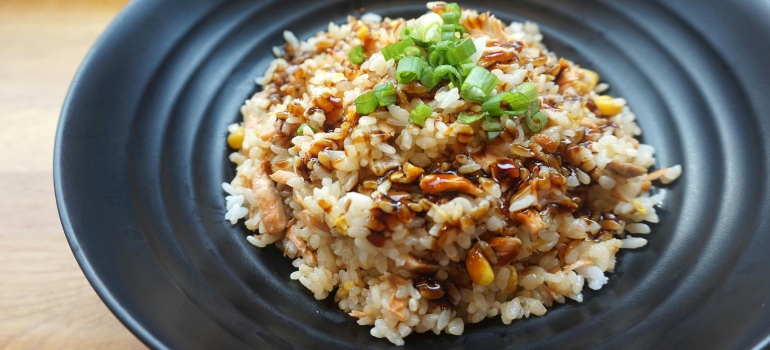
However, complex carbohydrates digest slower, and your blood sugar level remains steady, allowing you to have energy longer and helping curb alcohol cravings. Choose complex carbohydrates such as:
- Whole grain pasta
- Brown rice
- Oatmeal
- Bran
- Whole grain bread
Foods Rich in Vitamin B: Bananas, Peas and Leafy Greens
The B vitamins are very important in alcohol recovery and reducing cravings. According to the University of Maryland Medical Center, this group of vitamins provides you with:
- Energy to fight fatigue
- Helps with the production of red blood cells for proper brain and heart functions
- Helps to correctly metabolize nutrients during digestion
Incorporating B vitamins into your diet can significantly enhance your recovery process. Foods rich in these vitamins can make a big difference. For instance, bananas and raisins are excellent snack choices that are easy to incorporate into your daily routine. Additionally, salads full of greens are a great way to boost your intake of B vitamins. Vegetables like romaine lettuce, broccoli, spinach, peas, and beets are not only nutritious but also versatile, allowing you to create a variety of salads and side dishes. Fruits like oranges, grapefruits, and melons are also high in B vitamins and can be enjoyed as snacks or added to meals for extra flavor and nutritional benefits.
Lean Proteins: Chicken, Salmon, and Dairy
Protein is necessary for maintaining the health of your muscles and tissues as well as restoring harmony to the neurotransmitters in your brain that affect mood, sleep, and digestion. Therefore, a healthy recovery diet includes an increased intake of protein including:
- Baked, grilled, or broiled chicken
- Fish such as tuna, mackerel, and salmon
- Low-fat milk
- Yogurt
- Cheese
Try to avoid fatty red meats initially because this might cause high cholesterol and problems with your blood pressure.
Fruits and Vegetables
Fill in your diet with fresh fruits and vegetables every day. Plant-based foods are full of fiber which helps your body maintain a stable blood sugar level, which helps curb alcohol cravings. Additionally, these foods that help with alcohol cravings also help support your immune system and help avoid liver damage from alcohol.
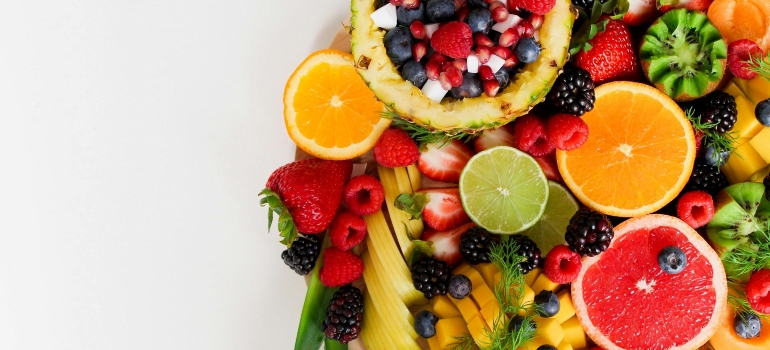
A diet rich in fresh fruits and vegetables helps replace necessary vitamins that your body loses through malabsorption (when your body isn’t able to take in many of the nutrients from the food you eat). Fresh vegetables like spinach and parsley and fruit are good sources for L-glutamine which can:
- Fuel your brain cells
- Decrease anxiety
- Reduce cravings
- Improve sleep
Talk to a doctor before taking a glutamine supplement because an accumulation of ammonia in the blood could happen if you have cirrhosis of the liver.
Supplements
There is evidence that certain natural supplements may help suppress alcohol cravings. For individuals with chronic alcoholism, specific nutrients are often needed for recovery. For instance, B vitamins, such as thiamine, are commonly deficient in those with long-term alcoholism and are crucial for proper brain function and energy levels.
Another helpful supplement is kudzu extract. Research on animals suggests that kudzu may be effective in controlling alcohol cravings, making it a potential natural remedy for those seeking to reduce their alcohol consumption.
Alcoholism can interfere with the absorption of essential vitamins and minerals, so supplementing with certain nutrients may also help with cravings. Vitamin C, selenium, magnesium, and zinc are important for overall health and can support the body during recovery. Additionally, amino acids like carnitine, glutamine, and glutathione play significant roles in detoxification and metabolic processes, further aiding in the reduction of cravings.
Importance of Hydration
Staying properly hydrated can also help to curb feelings of hunger, which are sometimes mistaken for alcohol cravings. Drinking herbal teas or water with a splash of lemon can add variety and make hydration more enjoyable. Maintaining adequate hydration levels can support better overall physical and mental health, making it easier to manage and reduce the desire for alcohol.
Hydration is especially emphasized during stays at alcohol rehab centers in Lake Ariel PA. There, professionals ensure that hydration is part of the recovery routine, helping to flush out toxins from the body and support the body’s natural healing processes. Proper hydration aids in maintaining energy levels, improving mood, and enhancing the effectiveness of other treatments. By focusing on staying well-hydrated, you can better manage cravings and support your journey to sobriety.
The Effects of Alcohol on Nutrition
Many alcoholics consume a significant portion of their daily calories from alcohol, leading to reduced intake of nutritious food. This results in fewer vitamins and minerals being consumed. Alcohol and nutrition interact at many levels, and heavy consumption can disrupt normal nutrition, leading to overall malnutrition or deficiencies in essential micronutrients. The body relies on these nutrients to function properly, and when they are lacking, it can cause various health issues.
Heavy drinking interferes with the digestion and absorption of nutrients. Alcohol damages the cells lining the stomach and intestines, preventing the proper breakdown and absorption of food. It also impairs the pancreas’s ability to secrete digestive enzymes, further hindering nutrient absorption. Moreover, alcohol consumption increases the excretion of crucial nutrients like magnesium, zinc, and certain B vitamins through urine, exacerbating deficiencies.
What’s a Micronutrient?
Micronutrients are nutrients your body needs in small amounts compared to macronutrients, which are needed in larger quantities. For example, vitamins, minerals, and proteins are all essential nutrients. However, proteins are required in larger amounts than vitamins and minerals. Therefore, vitamins and minerals are considered micronutrients. Even though they’re needed in small amounts, they are crucial for maintaining normal and healthy bodily functions. They support various physiological processes, including immune function, energy production, and bone health.
Restoring nutrition is one of the most important features of many inpatient programs in alcohol rehab centers in Pennsylvania. These programs focus on reintroducing essential vitamins and minerals to correct deficiencies and support recovery. Balanced meals, rich in micronutrients, help rebuild the body’s health and strength, making it easier to manage cravings and avoid relapse
What’s Cross Addiction?
By definition, addicts are dependent. When they become abstinent, they develop cross-addictions. That is, they substitute another addiction. Neuroscience research has shown that when an addict stops their primary addiction and adopts another addiction, it is at the same level as the one they gave up. Besides the physical reasons, a cross-addiction means that the addict hasn’t done the emotional recovery work to heal themself.

To take care of the issue of cross-addiction, some important things to remember are:
- Stay connected— to professionals through therapy or life coaching, especially in times of stress.
- Changes in behavior–many cross addictions are not to substances, but behaviors.
- Listen to friends and family–be open to what friends, family, and coworkers say and get help to avoid cross addictions.
How Little Creek Can Help with Cravings
Little Creek Recovery offers comprehensive support for individuals struggling with alcohol addiction, providing both inpatient and outpatient detox rehab in PA tailored to meet each person’s unique needs.
Our inpatient alcohol rehab in Pennsylvania offers a structured environment where individuals can focus entirely on their recovery, away from everyday distractions and triggers. For those who need flexibility, our outpatient program allows participants to receive the necessary support while maintaining their daily responsibilities.
Both programs emphasize the importance of coping with triggers during alcohol recovery in PA, equipping individuals with the tools and strategies needed to manage cravings and avoid relapse. Our dedicated team of professionals is committed to guiding you through every step of the recovery process, ensuring a supportive and effective path to sobriety.
Top Foods That Help with Alcohol Cravings and Support Recovery
Incorporating foods that help with alcohol cravings into your diet can make a significant difference in your recovery journey. Opt for nutrient-rich choices like fruits, vegetables, lean proteins, and whole grains to stabilize blood sugar levels and enhance overall well-being. Supplements such as B vitamins, kudzu extract, and essential minerals can also play a crucial role in managing cravings. A balanced diet is a powerful ally in building a healthier, more resilient body and mind, making it easier to overcome alcohol dependence. If you need help with addiction, our trained and experienced addiction specialists can help you through it safely and successfully. Contact us today to start your path to recovery with the right support and guidance.
References:
www.healthfully.com/foods-that-reduce-alcohol-
www.ncbi.nlm.nih.gov/pmc/articles/PMC5513692/
www.dummies.com/health/mental-health/codependency/cross-addictions-
Admissions
Family Programs
“Adventure trek is always popular”
Little creek lodge is such an amazing place for people who want to make a serious change in their life. I’ve watched my loved one grow immensely through his recovery with the help of the caring staff and engaging programs. Adventure trek is always popular on the agenda!
Annabelle Stiso |

