 570-630-9354
Alcohol and Anxiety in Dual Diagnosis Treatment
Begin Today
Alcohol and anxiety often occur together because alcohol can temporarily reduce anxiety but later make it worse. Dual diagnosis treatment helps treat both conditions at the same time through therapy, medical support, and healthy coping strategies to support long-term recovery.
Jump to Section
Alcohol and anxiety often go together, and many people do not realize how closely they are connected. You may drink to relax or calm your nerves, but later your anxiety feels worse, not better. This cycle can slowly lead to dependence and emotional struggles that feel hard to control. Over time, sleep problems, mood changes, and constant worry can become part of daily life. That is why it is important to understand how alcohol and anxiety affect each other and what you can do about it. Help is available, and recovery is possible with the right support and treatment. Many people start their recovery at an addiction treatment center in Pennsylvania, where both anxiety and alcohol use can be treated together in a safe and supportive environment.
Understanding The Connection Between Alcohol And Anxiety
Alcohol and anxiety are closely connected, and many people do not notice the pattern at first. You may drink to relax, sleep, or calm stress, but later you feel more nervous, tired, and emotionally unstable. This cycle can slowly turn into dependence and mental health problems. Learning how alcohol affects anxiety can help you see why this pattern continues and why it becomes harder to stop over time.
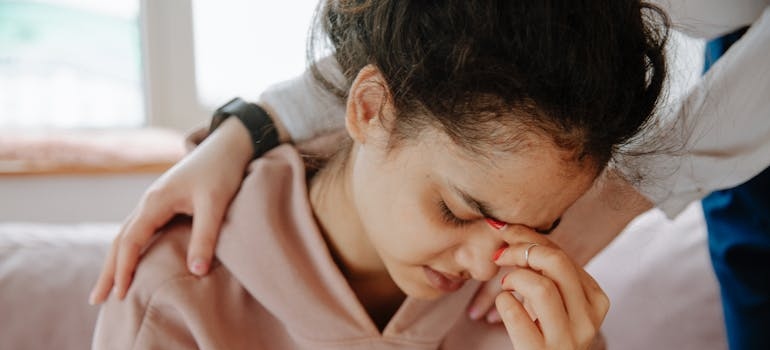
Alcohol changes brain chemicals that control mood, sleep, and stress response, so anxiety often becomes stronger, not weaker. Many people start looking for help when drinking begins affecting their daily life, work, and relationships. At that point, people often ask practical questions like does Cigna cover alcohol rehab because treatment becomes an important next step toward recovery and emotional stability.
Signs Of Dual Diagnosis
Alcohol and anxiety often appear together, and the signs may develop slowly. You might notice mood changes, sleep problems, or drinking more when stressed. Over time, both problems start affecting daily life, work, and relationships. Recognizing dual diagnosis symptoms for anxiety and addiction early can help you seek treatment before the situation becomes worse and harder to manage. Common signs include emotional, physical, and behavioral changes such as:
- Increased drinking
- Sleep problems
- Mood swings
- Avoiding situations
- Loss of control
Why Drinking Can Make Anxiety Worse
Many people believe alcohol helps anxiety, but the relief is only temporary. After the alcohol wears off, the brain reacts with stress chemicals that increase anxiety. This is why many people wake up feeling nervous, restless, or overwhelmed after drinking. You may start to notice patterns like anxiety after drinking alcohol, especially after heavy drinking or poor sleep.
Alcohol also affects sleep quality, which makes anxiety worse the next day. Over time, drinking can make the nervous system more sensitive to stress, which means anxiety becomes stronger and more frequent. This creates a cycle where you drink to relax, feel worse later, and then drink again to calm the anxiety. This cycle can quickly turn into dependence and emotional instability.
Risk Factors For Anxiety And Alcohol Problems
Some people are more likely to struggle with anxiety and alcohol problems because of personal history, stress, or mental health conditions. Family history plays a big role, especially if addiction or anxiety runs in the family. Trauma, chronic stress, and major life changes can also increase risk. People who struggle with social anxiety often use alcohol to feel more comfortable in social situations, which can lead to dependence over time.
Poor sleep, high stress jobs, and relationship problems can also increase drinking and anxiety together. Mental health conditions like depression, panic disorder, and PTSD also increase risk for alcohol misuse. When these factors combine, the chance of developing alcohol and anxiety disorder becomes much higher and more difficult to manage without professional help.
How Alcohol Dependence Develops With Anxiety
Alcohol dependence often starts slowly when drinking becomes a way to cope with stress, fear, or emotional pain. At first, alcohol may feel like it helps, but tolerance builds quickly and you need more alcohol to feel calm. Over time, the brain begins to rely on alcohol to relax, sleep, and manage emotions. When you try to stop drinking, anxiety becomes stronger, which makes quitting feel very difficult.
This is how emotional coping can turn into physical dependence. Many people reach a point where they feel anxious without alcohol and drink just to feel normal. When this happens, medical help may be needed, especially during alcohol detox, because withdrawal symptoms and anxiety can become intense and sometimes dangerous without supervision.
The Impact Of Alcohol And Anxiety On Daily Life
Alcohol and anxiety can slowly affect every part of your life. Work performance may drop because of poor sleep, lack of focus, and low motivation. Relationships often suffer because mood swings, irritability, and emotional distance become common. Financial problems may appear if drinking becomes frequent or affects job stability. You may also stop doing activities you once enjoyed and spend more time drinking or recovering from drinking.

Anxiety can also make daily tasks feel overwhelming, which leads to more drinking to cope. Over time, this cycle can affect physical health, mental health, and overall quality of life. Many people feel stuck, but treatment and support can help break this cycle and help you regain control of your life again.
Withdrawal Symptoms And Anxiety After Drinking
When the body becomes used to alcohol, stopping or reducing drinking can cause withdrawal symptoms. Anxiety is one of the most common withdrawal symptoms and can feel intense and frightening. You may feel restless, shaky, sweaty, or unable to sleep. These symptoms usually start within hours after drinking stops and can last several days depending on alcohol use history and overall health. Common withdrawal and anxiety symptoms include:
- Shaking: Hands or body tremble when alcohol leaves the system.
- Sweating: Night sweats and sudden sweating without activity.
- Rapid heart rate: Heart feels like it is racing or pounding.
- Insomnia: Trouble sleeping or waking up frequently at night.
- Panic feelings: Sudden fear, restlessness, or feeling overwhelmed.
Treatment For Alcohol And Anxiety
Treating alcohol and anxiety at the same time is very important for long-term recovery. If only one problem is treated, the other often causes relapse or continued mental health struggles. Treatment usually includes therapy, medical care, support groups, and learning healthy coping strategies. Doctors may also use medication to help manage anxiety and reduce alcohol cravings.
Therapy helps you understand triggers, stress, and emotional patterns that lead to drinking. Many people find the best results in dual diagnosis treatment centers from Pennsylvania, where both addiction and mental health are treated together. This type of treatment helps you build healthier coping skills, improve emotional stability, and reduce the risk of relapse in the future.
Rehab And Recovery Options
Rehab programs help people recover from alcohol dependence while also treating anxiety and mental health problems. Some people need inpatient treatment where they stay at the facility and receive medical and emotional support every day. Others may attend outpatient programs while living at home and continuing work or school. Medical detox may be the first step if withdrawal symptoms are severe.
Therapy, group counseling, and relapse prevention planning are also part of recovery programs. Many people start recovery in inpatient drug and alcohol treatment centers in PA because they provide structured support, therapy, and medical care in a safe environment. Rehab also helps people build routines, coping skills, and support systems needed for long-term recovery.
Therapy Options For Co-Occurring Disorders
Therapy is a major part of recovery for people who struggle with both anxiety and alcohol use. Cognitive behavioral therapy helps you understand thoughts and behaviors that lead to drinking and anxiety. Trauma therapy helps people who drink because of past trauma or emotional pain. Group therapy helps people feel less alone and learn from others in recovery.
Family therapy can also help rebuild relationships damaged by alcohol use. Some programs also use DBT for alcohol use disorder, which teaches emotional regulation, stress tolerance, and healthy coping skills. Therapy helps you learn how to manage anxiety without alcohol and how to handle stress in healthier ways. Over time, therapy helps build confidence, emotional stability, and long-term recovery habits.
Healthy Ways To Manage Anxiety Without Alcohol
Learning how to manage anxiety without alcohol is an important part of recovery and mental health stability. Healthy coping skills help reduce stress, improve sleep, and stabilize mood without negative side effects. Small daily habits can make a big difference in how you feel emotionally and physically. Healthy coping strategies include:
- Exercise: Walking or workouts reduce stress and improve mood.
- Sleep routine: Going to bed at the same time improves mental health.
- Deep breathing: Slow breathing calms the nervous system quickly.
- Journaling: Writing thoughts helps process stress and emotions.
- Talking to someone: Support from others reduces anxiety and isolation.

Relapse Prevention For Anxiety And Alcohol Recovery
Recovery does not end after treatment. Long-term recovery requires planning, support, and healthy habits. Stress, anxiety, and life problems can still appear, so it is important to prepare for difficult situations. A relapse prevention plan helps you identify triggers, warning signs, and coping strategies before problems happen. This plan often includes therapy, support groups, exercise, healthy sleep, and avoiding high-risk situations.
Learning how to manage stress without alcohol is one of the most important parts of recovery. Many people continue therapy for anxiety even after they stop drinking because managing mental health helps prevent relapse. Recovery becomes more stable when mental health and addiction are treated together, not separately.
Supporting A Loved One With Drinking And Anxiety Problems
Watching someone struggle with drinking and anxiety can be very difficult and emotional. You may feel worried, frustrated, or unsure how to help. The most important thing is to talk calmly and express concern without blaming or judging. Encourage them to talk to a doctor, therapist, or treatment center. Offer support but also set healthy boundaries if drinking is affecting your life.
Avoid covering up problems or making excuses for their behavior. Recovery often starts when a person feels supported and not alone. Family support can make a big difference in recovery success. Learning about addiction and anxiety can also help you understand what your loved one is going through and how to support them in a healthy way.
Long-Term Recovery And Mental Health Stability
Long-term recovery takes time, patience, and daily effort, but life does improve with consistency and support. Mental health stability becomes easier when healthy habits and support systems are part of daily life. Recovery is not just about stopping alcohol, but also about building a stable and healthy lifestyle. Long-term recovery habits include:
- Daily routine: Structure helps reduce stress and emotional instability.
- Ongoing therapy: Continued support helps manage anxiety and triggers.
- Support groups: Talking to others in recovery builds motivation.
- Healthy lifestyle: Exercise, sleep, and nutrition improve mental health.
- Goal setting: Small goals help rebuild confidence and life direction.

It’s Time To Get Help And Feel Better
Alcohol and anxiety can keep feeding each other, but that cycle can be broken with the right help. Drinking may seem like a quick way to calm stress, yet it often makes anxiety worse and leads to more fear, poor sleep, and loss of control. That is why treating both issues together gives you a better chance at lasting recovery. Therapy, medical care, support groups, and daily coping skills can help you feel steady again. You do not have to figure this out on your own, and asking for help is a strong first move. If alcohol and anxiety are affecting your life or someone you love, reach out to our team today. We are here to listen, answer your questions, and help you take the next step toward recovery.
Frequently Asked Questions
Can drinking alcohol cause anxiety?
Yes, drinking alcohol can cause anxiety. Alcohol affects brain chemicals that control mood and stress. It may make you feel relaxed at first, but later it can increase anxiety, cause restlessness, and lead to panic or sleep problems, especially after heavy drinking.
Will quitting alcohol help my anxiety?
Quitting alcohol can help reduce anxiety over time. Many people notice mood and sleep improvements after they stop drinking. Anxiety may feel worse at first during early withdrawal, but it usually improves as the brain and body recover.
What alcohol gives the worst anxiety?
Strong alcohol and large amounts of alcohol are most likely to cause anxiety. Binge drinking, sugary alcoholic drinks, and mixing alcohol with caffeine can make anxiety worse the next day, often called “hangxiety.”
How long does alcohol-induced anxiety last?
Alcohol-induced anxiety usually lasts from several hours to a day after drinking. In heavy drinkers, it can last several days, especially during withdrawal. Long-term drinking can also lead to ongoing anxiety problems.
Admissions
Family Programs
“5-star treatment
experience”
Every element of this treatment experience is 5-star: one-on-one counseling, group therapy, Adventure Trek, lodging, amenities, food, staff. Inpatient and outpatient services are the best you’ll find anywhere. Staff truly care for each individual and want to see them succeed in their recovery. A very special place. Love LC from the bottom of my heart
Meg Boyle |


Take the First Step Towards a Healthier Life
Begin Today