
 570-630-9354
What is Pink Cocaine?
Begin Today
Pink cocaine, or Tusi, is not one consistent drug but an unpredictable mixture, often containing ketamine and MDMA rather than cocaine or 2C-B. Its unknown contents increase health and overdose risks. Anyone struggling with Tusi use should consider professional help.
Jump to Section
Pink cocaine can sound like a form of cocaine, but the name is misleading. What people call pink cocaine, Tusi, or Tucibi is usually a mix of drugs, and the ingredients can change from one batch to another. That makes its effects hard to predict and can raise the risk of overdose, dangerous reactions, and dependence. If you or someone you care about is using Tusi, knowing what may be in it can help you make safer choices and recognize when it is time to seek support. You do not need to wait for a crisis to ask for help. An addiction treatment center in Pennsylvania can provide professional care, support for polysubstance use, and a clear path toward recovery.
What Is Pink Cocaine (Tusi)?
Pink cocaine, often called Tusi or Tucibi, is a street drug that does not have one fixed formula. Despite the name, it may contain little or no cocaine. Many tested samples contain ketamine and MDMA, while others include stimulants, opioids, or other substances. Tusi originally became linked with 2C-B, a hallucinogenic drug, but genuine 2C-B is now uncommon in these mixtures.
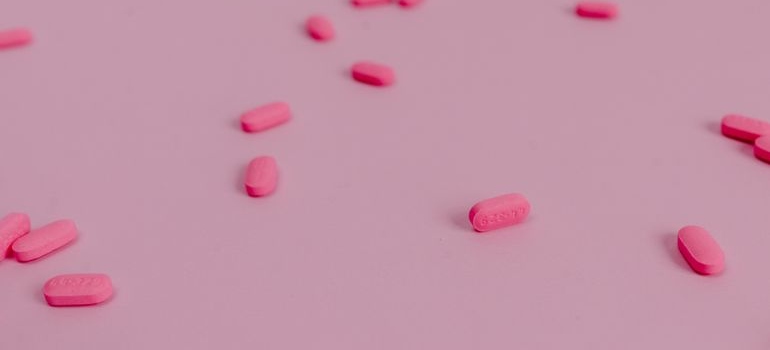
The powder is usually dyed pink, which can make it look distinctive without telling you anything about its contents. That uncertainty matters when you are watching new drug trends in Pennsylvania or trying to judge your own risk. You cannot safely predict the strength, effects, or interactions of Tusi based on its color, name, or appearance alone before using it.
Why Pink Cocaine Is Often Misunderstood
Pink cocaine is easy to misunderstand because its name suggests a clear product when the reality is much less simple. You may assume it is cocaine with pink coloring, or that Tusi is another name for 2C-B. Neither idea reliably describes what is sold today. The name Tusi came from 2C-B, but modern pink powders often contain different combinations of drugs.
Ketamine and MDMA are common findings, while cocaine may be absent. This mismatch between the name and the contents can give you a false sense of what to expect. A familiar label does not mean a familiar dose or effect. If you use Tusi, each batch can expose you to different substances, strengths, and risks, even when it looks exactly like the last one.
Why the Unpredictable Composition of Pink Cocaine Is So Dangerous
The biggest danger with pink cocaine is that you cannot know what you are taking without testing the sample. One batch may contain ketamine and MDMA, while another may include cocaine, methamphetamine, fentanyl, benzodiazepines, or other drugs. That makes it hard to predict how your body will react. It also raises the chance of harmful drug interactions, especially when stimulants and depressants appear in the same mix.
The same concern applies to many new synthetic drugs sold under street names that do not reveal their true contents. Alcohol, prescription medicines, or other recreational drugs can add more risk. If you do not know the ingredients or doses, you also cannot judge how strong the mixture is or how close you may be to an overdose.
Short-Term Effects
Pink cocaine can cause very different short-term effects because each batch may contain a different mix of drugs. What you feel can depend on the ingredients, dose, and other substances you have taken. Common short-term effects may include for you:
- Changes in sight, sound, touch, or sense of time that may feel intense or confusing.
- Feeling detached from your body, surroundings, or emotions, especially when ketamine is present in the mixture.
- A faster heart rate, higher blood pressure, sweating, overheating, or other signs of strain.
- Poor balance, slowed reactions, dizziness, or trouble making decisions while the drugs are active.
- Nausea, vomiting, jaw tension, shaking, or headaches that can become worse with higher doses.
- Strong stimulation followed by tiredness, low mood, or a sudden crash as the drugs begin wearing off.

Psychological Effects
Pink cocaine can affect your thoughts and emotions as much as your body. Since Tusi may contain several mind-altering drugs, the mental effects can shift quickly and may feel much stronger than expected. Possible psychological effects can include for you:
- Anxiety or panic that feels sudden, intense, and difficult to calm once the drug takes effect.
- Paranoia or strong fear that makes you feel unsafe around people or places you normally trust.
- Confusion, poor focus, or trouble understanding what is happening around you during intoxication.
- Hallucinations or distorted perceptions that can make sights, sounds, or physical sensations feel unreal.
- Agitation, restlessness, or impulsive behavior that may increase the chance of accidents or unsafe choices.
- Low mood, irritability, or depression after the effects wear off, especially after repeated or heavy use.
Serious Health Risks
Some reactions to pink cocaine can become medical emergencies, especially when the mixture contains several powerful drugs or an unexpected substance. You may not know when a dose is dangerous until serious symptoms appear. Major health risks can include today:
- Seizures, fainting, or loss of consciousness that require medical attention and should never be ignored.
- Very fast heart rate, chest pain, or blood pressure changes that place stress on the heart.
- Severe overheating and dehydration, which can become more dangerous during dancing, exercise, or activity.
- Breathing problems, especially if the mixture contains opioids or drugs that slow the nervous system.
- Vomiting while unconscious, which creates a choking risk if the person cannot protect their airway.
- Overdose or poisoning caused by unknown ingredients, unexpected strength, or combining Tusi with other substances.
Can Pink Cocaine Cause an Overdose?
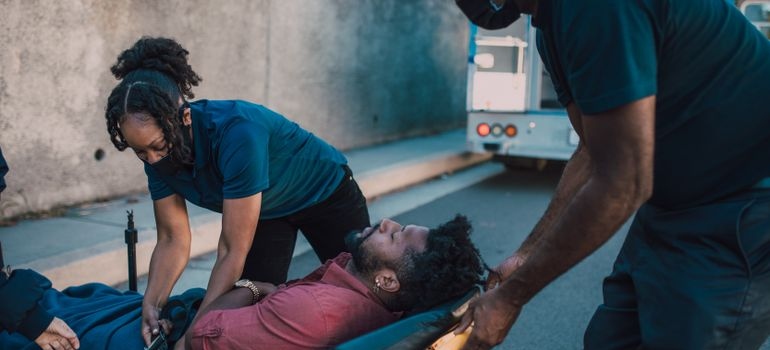
Yes, pink cocaine can cause an overdose, and the risk is harder to judge because you may not know what the mixture contains. A batch could include stimulants, ketamine, opioids, or several drugs at once. Taking more because the first dose feels weak can also become dangerous if the effects are delayed. Warning signs may include trouble breathing, seizures, severe confusion, chest pain, very high body temperature, collapse, or loss of consciousness.
If you are unsure what to do if someone overdoses, call emergency services right away and stay with the person until help arrives. Do not assume they can simply sleep it off. Fast medical care matters because the drugs involved may affect breathing, heart rate, temperature, or consciousness in different ways.
Is Pink Cocaine Addictive?
Pink cocaine can become addictive, but the exact risk depends on what is in the mixture and how often you use it. Some batches contain drugs such as MDMA, cocaine, methamphetamine, or ketamine, which can lead to repeated use, cravings, and loss of control. You may also begin using more to get the same effect or feel unable to enjoy social settings without it.
If stopping causes strong cravings, mood changes, sleep problems, or repeated returns to use, professional support may help. Some people need inpatient medical detox when substance use is heavy, involves several drugs, or creates withdrawal concerns. A treatment team can assess what you have been using and recommend the safest level of care for your situation.
How Long Does Pink Cocaine Stay in Your System?
There is no single answer because pink cocaine is not one specific drug. How long it stays in your system depends on the substances in the batch, the amount you took, how often you use them, and how your body processes them. Ketamine, MDMA, cocaine, methamphetamine, and other possible ingredients all have different detection windows.
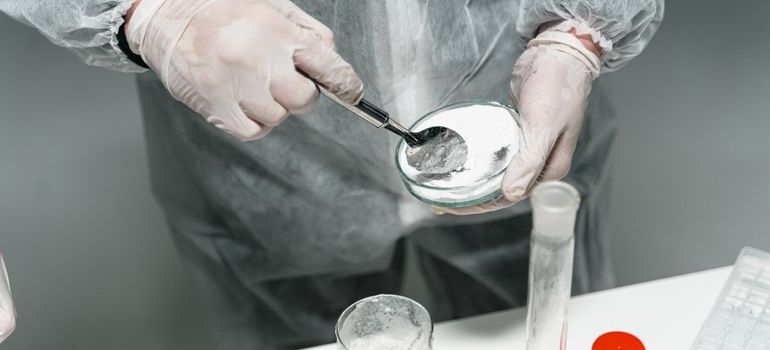
The type of drug test matters too. Blood and saliva tests usually look for more recent use, while urine may detect some drugs for longer. Hair testing can show past exposure over a much longer period. If you need accurate information after using Tusi, do not rely on the color or street name. Only testing can show which substances may actually have been present in the mixture.
Can a Drug Test Detect Pink Cocaine?
A drug test may detect substances in pink cocaine, but there is no single test result that simply says “Tusi.” Standard drug screens look for specific drugs or their breakdown products. If the mixture contains cocaine, MDMA, methamphetamine, or certain other substances, a test may identify them. Ketamine is not included in every routine screening panel, so a separate or broader test may be needed.
Results also depend on how recently you used the drug, how much you took, and the type of sample collected. A negative result does not prove that the pink powder was harmless or contained no drugs. If testing is needed for medical care, tell the healthcare team what you took and when, even if you do not know the ingredients.
When Pink Cocaine Use Becomes a Sign of a Bigger Problem
Using pink cocaine more often, taking larger amounts, or feeling unable to stop can signal that your drug use is becoming a bigger problem. You may notice cravings, missed work, money problems, changes in sleep, conflict with people you care about, or risky choices while using. Another warning sign is continuing even after a frightening reaction, overdose, or health problem.
Because Tusi may contain several drugs, repeated use can also turn into a wider pattern of polysubstance use. You do not need to wait until everything feels out of control before asking for support. A drug rehab center Pennsylvania residents can access may help you look at what you are using, what is driving it, and which type of treatment fits your needs.
When to Seek Help for Tusi or Polysubstance Use
You should consider getting help when Tusi or other drug use starts affecting your health, safety, relationships, work, or ability to control how much you take. Needing more of a substance, hiding your use, mixing several drugs, or trying to stop without success are also reasons to reach out. Help is especially important after an overdose, severe reaction, or repeated use despite clear harm.
Treatment does not have to focus on one drug name. A program offering cocaine rehab may also assess ketamine, MDMA, stimulant, opioid, or other substance use and build care around your actual needs. If you are unsure whether your use is serious enough, a professional assessment can give you a clearer answer and help you decide what to do next.

Get the Support You Need to Stop Using
Pink cocaine is risky because you may never know exactly what is in the mix you are taking. Different batches can contain different drugs, which means the effects and overdose risk can change without warning. If your use is becoming harder to control, or you are worried about someone close to you, getting help early can make a real difference. Support can also help with the anxiety, cravings, and other problems that often come with repeated drug use. Recovery does not have to start after a serious emergency. It can start when you decide you want something safer and more stable. If you are ready to talk about treatment and your next steps, contact us.
Frequently Asked Questions
Does pink cocaine actually contain cocaine?
Not necessarily. Despite its name, pink cocaine often contains little or no cocaine. The term generally refers to a brightly colored recreational drug mixture whose ingredients can vary considerably from one batch to another. Because illicit products are not standardized, a person cannot reliably know what they contain based on appearance or name alone.
What is really in pink cocaine (Tusi)?
Pink cocaine, also called Tusi, Tuci, or Tucibi, is typically a mixture of several psychoactive substances. Testing has found combinations that may include ketamine, MDMA, caffeine, methamphetamine, cocaine, and other drugs. The exact ingredients and their amounts can vary, making the effects difficult to predict and increasing the risk of harmful drug interactions.
Is pink cocaine the same as 2C-B?
No. Although the name “Tusi” is thought to have originated from 2C-B, pink cocaine sold today is generally not the same drug. 2C-B is a specific synthetic psychedelic substance, while pink cocaine is usually a mixture of multiple drugs and may contain no 2C-B at all.
How long does pink cocaine stay in your system?
There is no single detection window for pink cocaine because its composition varies. Different ingredients remain detectable for different lengths of time, and results also depend on factors such as the amount used, frequency of use, metabolism, and type of drug test. Urine tests may detect some common ingredients for several days, while hair testing can potentially identify drug exposure for much longer. Laboratory testing is the only way to determine which substances were actually present.
What are the risks of using pink cocaine?
Pink cocaine can be particularly dangerous because users may not know which drugs they are taking or at what doses. Depending on its ingredients, risks can include rapid heart rate, high blood pressure, overheating, confusion, anxiety, hallucinations, impaired coordination, loss of consciousness, seizures, and overdose. Combining stimulants, dissociatives, or other substances can also produce unpredictable interactions. Illicit mixtures may contain unexpected substances, further increasing the risk.
Is pink cocaine addictive?
It can be. Because pink cocaine may contain substances with addictive or dependence-forming potential, repeated use can lead to cravings, compulsive drug use, tolerance, or dependence. The risk depends partly on what is actually in the mixture and how frequently it is used. Someone who finds it difficult to stop using Tusi or other recreational drugs despite negative consequences may benefit from a professional substance use assessment.
Admissions
Family Programs
“5-star treatment
experience”
Every element of this treatment experience is 5-star: one-on-one counseling, group therapy, Adventure Trek, lodging, amenities, food, staff. Inpatient and outpatient services are the best you’ll find anywhere. Staff truly care for each individual and want to see them succeed in their recovery. A very special place. Love LC from the bottom of my heart
Meg Boyle |


Take the First Step Towards a Healthier Life
Begin Today