
 570-630-9354
New Synthetic Drugs and Why They Are So Dangerous
Begin Today
New synthetic drugs are so dangerous because their unknown chemical compositions, rapid changes, and high potency lead to unpredictable effects, severe toxicity, addiction risk, and a significantly increased likelihood of overdose and death.
Jump to Section
New synthetic drugs can look harmless at first, but they can cause serious harm fast. You may not know what is in them, how strong they are, or how your body will react. That is what makes them so risky. A small amount can lead to panic, confusion, overdose, or a medical emergency. For families, the change can feel sudden and scary. For the person using them, it may feel hard to stop even when life starts to fall apart. The good news is that help is available. With the right care, people can get stable, understand what led to their drug use, and build a safer path forward. An addiction treatment center in Pennsylvania can offer support, structure, and treatment that fits each person’s needs during this difficult time.
What New Synthetic Drugs Are
New synthetic drugs are changing fast, and that makes them hard to understand and even harder to avoid. You may hear different names or think they are similar to other drugs, but they often act in stronger and more harmful ways. It helps to know what they are, how they are made, and why they keep changing. These details can help you see the real risks and make safer choices.
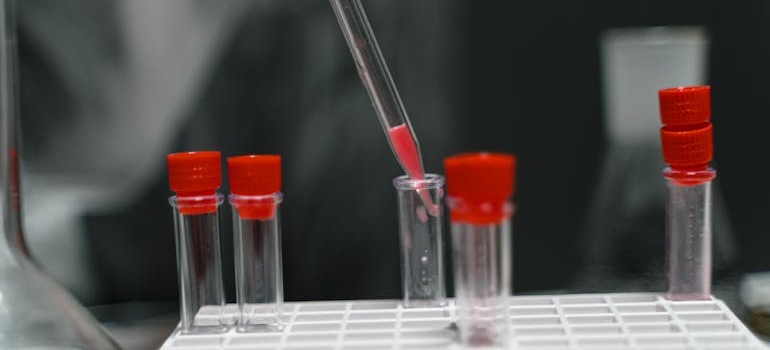
How Synthetic Drugs Are Made
New synthetic drugs are made in labs using chemicals instead of natural plant sources. These drugs are often created to copy the effects of substances like cannabis or stimulants, but they are not the same. For example, synthetic marijuana may look like a natural product, yet it contains sprayed chemicals that can be much stronger.
Makers often adjust formulas to avoid legal rules, not to make the drug safer. Because of this, there is little control over quality or strength. One batch can be very different from the next. This leads to serious synthetic drugs dangers, including sudden reactions and long-term harm. You may not know what you are taking, and that puts your health at risk every time you use.
Why Formulas Change So Often
New synthetic drugs keep changing because makers want to stay ahead of laws. When one version becomes illegal, they tweak the chemical and release a new one. This constant shift makes it hard for doctors, law enforcement, and users to keep up. The difference between organic and synthetic drugs becomes clear here. Natural drugs come from plants with known effects, while these lab-made versions have unknown risks.
Each change can increase strength or create new side effects. That adds to the designer drugs dangers people face today. You cannot rely on past experiences because each version may act differently. This ongoing change raises the risk of confusion, harm, and even a synthetic drug overdose, especially for those who think they know what to expect.
Common Types Of Synthetic Drugs
New synthetic drugs come in many forms, and they are often sold under names that sound harmless or familiar. This can make it harder to see the real danger behind them. These drugs are made to copy other substances, but they often have stronger and less predictable effects:
- Synthetic cannabinoids: Lab-made chemicals that mimic cannabis but cause stronger and risky effects.
- Synthetic cathinones: Stimulants often called bath salts that can lead to panic and aggression.
- Synthetic opioids: Powerful painkillers like fentanyl that carry high overdose risk and fast dependence.
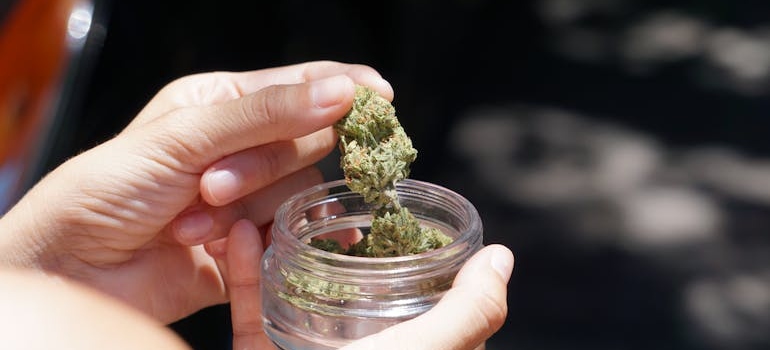
Warning Signs Of Synthetic Drug Use
Synthetic drug use can change a person quickly, and the signs may not look the same every time. You might notice mood shifts, strange actions, health problems, or fear that seems to come from nowhere. These changes can be confusing, especially when the person denies using anything. Still, paying attention matters. The sooner you notice the signs, the sooner you can help them get care and stay safer when every minute matters most.
Sudden Changes In Behavior
A person using synthetic drugs may start acting like someone you barely know. They might become secretive, angry, paranoid, or unusually withdrawn. Plans may fall apart, work or school may suffer, and close relationships can feel tense without a clear reason. You may also see risky choices that seem out of character, such as disappearing for hours or spending money in strange ways.
These changes do not always mean drug use, but they should not be ignored. A CBT treatment plan for substance abuse can help people connect their thoughts, actions, and triggers in a practical way. If behavior shifts are sudden or intense, respond with care, not shame. Stay calm, ask direct questions, and look for safe support before the problem grows worse, and encourage them to accept help from trained professionals as soon as possible today.
Physical Symptoms To Watch For
Physical signs can appear fast with synthetic drugs, and they may look frightening. Some symptoms may seem like panic, illness, or extreme stress, but drug use can be the cause. Because the ingredients are often unknown, reactions can change from one use to the next. Pay close attention when symptoms appear suddenly or seem stronger than expected, especially after a person has been away or acting secretive and other warning signs are present too:
- Fast heartbeat
- Sweating
- Shaking
- Confusion
- Nausea
- Chest pain

When Drug Use Becomes An Emergency
Some reactions to synthetic drugs need help right away. Call emergency services if someone has chest pain, trouble breathing, seizures, severe confusion, fainting, or extreme fear that they cannot control. You should also act fast if they become violent, talk about harming themselves, or cannot stay awake. Do not wait to see if it passes.
These drugs can affect the heart, brain, and body in ways that get worse quickly. Stay with the person if it is safe, keep them on their side if they may vomit, and share what you know with medical staff. After the crisis, a drug rehab center Wilkes Barre PA has can help with follow-up care, treatment planning, and support so the same danger is less likely to happen again soon for them and for your family.
Rehab For Synthetic Drug Addiction
Recovery from synthetic drug use can feel overwhelming, but the right support can make a real difference. You do not have to figure it out on your own. Treatment focuses on safety, stability, and long-term change. Each step builds on the last, helping you regain control and rebuild your life. With the right care, people can move forward with clarity and support.
Medical Detox And Stabilization
The first step is often medical detox, where the body clears harmful substances in a safe setting. With new synthetic drugs, this step is very important because reactions can be strong and unpredictable. Inpatient medical detox provides 24/7 care, so symptoms like anxiety, pain, or confusion are managed right away.
Medical staff monitor vital signs and respond quickly if problems arise. This reduces the risk of serious complications and helps you feel more stable. Detox is not a full treatment on its own, but it creates a safe starting point. Once your body begins to recover, you can focus on the next steps of care with a clearer mind and better physical balance moving forward each day.

Residential Treatment And Therapy
After detox, many people benefit from structured care in a safe setting. Inpatient drug rehab in Pennsylvania offers daily support, therapy, and a stable routine. This helps you stay away from triggers while you focus on healing. Therapy sessions help you understand patterns, stress, and choices linked to drug use.
You also learn better ways to cope with pressure and emotions. Group sessions can help you feel less alone, while one-on-one therapy gives space for personal growth. Staff guide you through each step, so you are not left guessing what comes next. This level of care builds strong habits and gives you tools that support long-term recovery beyond the treatment setting and into daily life.
Long-Term Recovery And Relapse Prevention
Recovery does not end after treatment. Ongoing support helps you stay stable and avoid setbacks. You will build habits that support daily life, manage stress, and reduce triggers. A strong plan helps you respond to challenges before they grow. Over time, these tools become part of your routine and help you move forward with confidence and control:
- Daily routine: Structure helps reduce stress and keeps your focus on recovery goals.
- Support groups: Regular meetings provide connection, shared experience, and accountability.
- Therapy sessions: Continued counseling helps you manage thoughts, stress, and triggers.
- Healthy habits: Sleep, food, and exercise support both mental and physical stability.
- Trigger planning: Knowing your triggers helps you avoid or handle risky situations safely.
- Emergency plan: Clear steps help you act fast if you feel at risk of relapse again.

Why New Synthetic Drugs Are So Dangerous
New synthetic drugs can harm you in ways that are hard to predict. They often look similar to other substances, but their effects can be much stronger and more dangerous. Many people think they know what to expect, yet these drugs can act very differently each time. This is what makes them so risky. When you understand the real dangers, it becomes easier to see why quick action and support matter so much.
Unpredictable Strength And Ingredients
New synthetic drugs are made with changing chemical formulas, so you never truly know what you are taking. One batch may be mild, while another can be extremely strong. This lack of consistency increases the risk every time you use. Some drugs are mixed with unknown substances that can harm your body in serious ways.
This is a major part of synthetic cannabinoids dangers, where even a small amount can affect breathing and heart rate. Because there is no quality control, the strength can vary widely. That is why many people experience sudden reactions without warning. These synthetic drugs dangers make it hard to stay safe, even for those who think they understand their limits or have used similar substances before.
Increased Risk Of Overdose
New synthetic drugs can lead to overdose faster than many people expect. Their high potency means the body can become overwhelmed quickly, even with a small dose. This is especially true when drugs are mixed or taken with alcohol. A synthetic drug overdose may happen suddenly, with little time to react. Signs can include trouble breathing, loss of awareness, or extreme confusion.
Because of this, quick medical help is critical. After an overdose, ongoing care is just as important. Programs like IOP Pennsylvania can help people recover, understand what happened, and reduce the risk of it happening again. Getting support early can make a real difference in long-term safety and help prevent another life-threatening situation from occurring in the future.

Severe Mental And Physical Effects
New synthetic drugs can affect both the mind and body in serious ways. These effects may appear quickly and can last long after the drug leaves your system. Some people feel panic or lose touch with reality, while others experience dangerous physical symptoms. These reactions can be intense and hard to control, especially without medical help:
- Panic
- Paranoia
- Hallucinations
- Aggression
- Confusion
- Heart problems
- Breathing issues
- Seizures
- Overheating
- Organ damage
Get Help Before It Gets Worse
New synthetic drugs are dangerous because no one can truly know their strength, ingredients, or effects. That risk can turn one use into a crisis, especially when overdose, fear, confusion, or health problems appear fast. If you or someone you love is using these drugs, take it seriously. Waiting can make things harder, but getting help can change the next step. Treatment gives you support, safety, and a clear plan when life feels out of control. It can also help uncover the reasons behind drug use, so recovery is not just about stopping but about healing. You do not have to handle this alone. If you are worried about synthetic drug use, reach out to us today and let our team help you find the right path forward.
Frequently Asked Questions
What are new synthetic drugs?
New synthetic drugs are lab-made substances designed to mimic the effects of traditional drugs like cannabis, cocaine, or opioids. They are often chemically altered to bypass regulations, making them unpredictable and potentially more harmful.
Why are new synthetic drugs so dangerous?
They are dangerous because their chemical compositions frequently change, leading to unknown potency and effects. This unpredictability increases the risk of severe health complications, including overdose, organ damage, and death.
What are examples of synthetic sources of drugs?
Examples include synthetic cannabinoids (like Spice or K2), synthetic cathinones (commonly known as bath salts), and synthetic opioids such as fentanyl and its analogs, which are often far more potent than natural drugs.
Admissions
Family Programs
“5-star treatment
experience”
Every element of this treatment experience is 5-star: one-on-one counseling, group therapy, Adventure Trek, lodging, amenities, food, staff. Inpatient and outpatient services are the best you’ll find anywhere. Staff truly care for each individual and want to see them succeed in their recovery. A very special place. Love LC from the bottom of my heart
Meg Boyle |


Take the First Step Towards a Healthier Life
Begin Today