 570-630-9354
Trazodone for Sleep: Why It’s Prescribed During Recovery
Begin Today
Trazodone is prescribed during recovery because it may help improve sleep, reduce nighttime restlessness, and support emotional stability without the same misuse risks as some sedative medications, making it a common option for people rebuilding healthy routines.
Jump to Section
Sleep can feel hard to trust when you are in recovery. Your body may feel tired, but your mind keeps going, and that can make each night stressful. This is one reason doctors may prescribe trazodone during treatment. Some people also search for trazodone for sleep when they are trying to understand why this medication is used and what it can do. It is not a cure for recovery challenges, but it may help support rest when used with care. If you are looking for help through a rehab center Lake Ariel PA has, learning how sleep support fits into treatment can make the next step feel less overwhelming.
What Is Trazodone And Why Is It Used For Sleep?
Trazodone is an antidepressant that doctors may also prescribe when sleep becomes hard to manage. It can cause drowsiness, so some providers use it off-label for insomnia, especially when anxiety or low mood affects rest. If you are in recovery, poor sleep can make cravings, stress, and emotions feel stronger.

That is why care teams often look at sleep as part of your full plan, not as a small side issue. Restorative sleep supports sobriety because it helps your body reset, improves focus, and gives you more strength for therapy and daily choices. Still, trazodone for sleep should be taken only as prescribed, since the right dose and timing can affect how you feel the next day during treatment and after.
Why Trazodone May Be Prescribed During Recovery
Recovery can disrupt sleep in ways that feel frustrating and unfair. Your body may be healing, while your mind still feels alert at night. Doctors may consider trazodone for sleep when safer rest support could help your treatment plan. Doctors may recommend trazodone during recovery for several reasons, depending on your symptoms, treatment goals, and overall health needs:
- Lower misuse risk: Trazodone is not usually treated like common sedative sleep pills.
- Mood support: It may help when depression or anxiety affects sleep.
- Routine stability: Better rest can make therapy and daily structure easier.
- Withdrawal support: Some people struggle with sleep after stopping substances.
- Medical monitoring: Providers can watch for side effects and adjust the plan.
- Relapse prevention: Poor sleep can increase stress, cravings, and impulsive choices.
- Whole-person care: Sleep support works best with counseling, coping skills, and sober routines.
Benefits And Risks Of Trazodone For Sleep
Trazodone may help some people rest, but it is not the right choice for everyone. You deserve clear facts before taking it, especially during recovery, when your body and emotions may feel more sensitive than usual.
Benefits:
- It may help you fall asleep more easily.
- It may reduce nighttime waking for some people.
- It can support sleep when mood symptoms play a role.
- It may carry less misuse risk than some sedatives.
Risks:
- Morning grogginess can affect focus.
- Dizziness may raise fall risk.
- Dry mouth, headache, or nausea can happen.
- Mixing it with alcohol or sedatives can be unsafe.
Trazodone In Rehab Settings
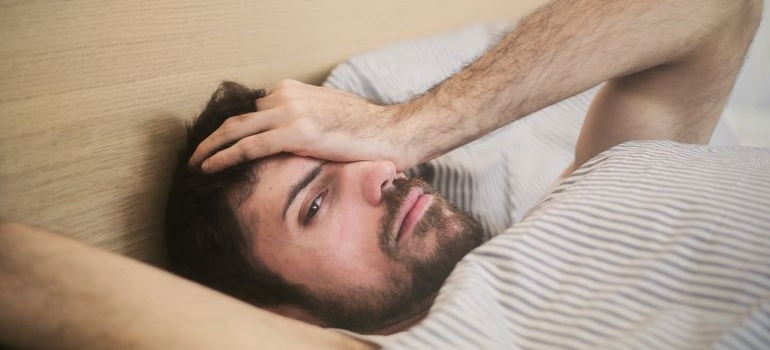
Sleep often changes during early recovery, and you may feel worn down before your body finds balance again. In rehab, trazodone for sleep is usually viewed as one tool, not the whole plan. Staff watch how you respond, check for side effects, and connect sleep support with therapy, routine, and relapse prevention. That support matters when nights feel tense, restless, or hard to manage, especially after substance use or withdrawal.
Medical Supervision During Medication Use
When you take trazodone in treatment, medical supervision gives you a safer path forward. A provider can review your health history, current medications, and recovery needs before deciding whether it fits. This matters because sleep problems can come from withdrawal, anxiety, depression, pain, or stress. Many detox centers in Pennsylvania also watch sleep closely because rest can affect cravings and mood.
You should never adjust the dose on your own, even if you feel desperate for sleep. Tell staff if you feel dizzy, too sleepy, confused, or unsteady. Their job is to help you rest without putting your recovery, safety, or daily treatment work at risk. With the right support, medication can become part of a steady plan instead of another worry, especially when sleep has felt unpredictable for weeks.
Monitoring Sleep, Mood, And Side Effects
Staff do not only ask whether you slept. They look at the full picture because trazodone and sleep can affect your energy, mood, balance, and focus during treatment. Honest daily updates help them adjust care before small problems grow worse:
- Track how long it takes you to fall asleep each night.
- Share whether you wake often, sleep too long, or feel unrested.
- Report morning grogginess, dizziness, headaches, dry mouth, or nausea.
- Mention mood changes, anxiety spikes, irritability, sadness, or low motivation.
- Tell staff if cravings feel stronger after poor sleep.
- Ask whether timing, dose, or routine changes could help.
- Speak up quickly if you feel faint, confused, or unsafe.

Adjusting Treatment Plans Based On Recovery Needs
Your recovery needs can change quickly, so your sleep plan should never feel locked in without review. If trazodone helps at first but later leaves you groggy, restless, or emotionally flat, your provider may adjust the timing or explore another option. Treatment teams also look at cravings, therapy progress, trauma symptoms, and other medications before making changes.
For someone with a history of misusing medication, prescription drug addiction treatment may include extra safety steps, clear dosing rules, and close check-ins. That does not mean you did anything wrong. It means your care should match your risks and goals. When you stay honest about how you feel, your team can build a plan that supports sleep without weakening your recovery, one careful change at a time during treatment and after discharge.
Safe Use Of Trazodone During Recovery
Safe use matters because recovery can make your body more sensitive to medication, stress, and poor sleep. Trazodone for sleep problems may help some people, but it still needs care and clear guidance. You should know how to take it, what to avoid, and when to ask for help. These steps can lower risk while giving your treatment team better information about what you need next in recovery.
Following The Prescribed Dosage
Taking trazodone exactly as prescribed helps protect your sleep, safety, and recovery work. More does not always mean better rest, and changing the dose can raise your risk of side effects. If you still cannot sleep, tell your provider instead of taking an extra pill. A Binghamton rehab center may also remind you that timing matters, since taking it too late can leave you tired the next day.
Keep the medication in the right place, follow staff rules, and avoid sharing it with anyone. If you miss a dose, ask what to do rather than guessing. Small choices like these help keep treatment steady and give your care team a clearer view of whether trazodone for sleep is truly helping you safely at night and into the morning ahead too.

Avoiding Alcohol Or Other Sedating Substances
Alcohol, opioids, benzodiazepines, sleep pills, and some cold medicines can make trazodone more sedating than expected. That can lead to heavy drowsiness, poor balance, slowed thinking, and unsafe breathing in some cases. The dangers of mixing trazodone and alcohol are especially important in recovery because alcohol can also weaken judgment and trigger relapse.
Even if you feel stable, mixing substances can change how your body reacts at night. Tell your provider about every medication, supplement, or substance you use, including anything you took before treatment. This is not about shame. It is about safety. When your care team has the full picture, they can help you sleep without adding risks that make recovery harder, and they can explain safer choices when symptoms feel urgent or uncomfortable at night during recovery.
Talking To A Provider Before Stopping
Stopping trazodone suddenly can bring back sleep problems and may cause uncomfortable symptoms. Some people worry about trazodone withdrawal, especially if they have taken it for a while or used it during a stressful part of recovery. Do not stop because you feel better, feel tired in the morning, or want to prove you no longer need help. Those feelings are worth discussing, but they are not a reason to handle medication alone.
A provider can help you lower the dose slowly if that is the safest choice. They can also look for other causes of poor sleep, such as anxiety, nightmares, pain, or cravings. You deserve a plan that protects both your rest and your recovery, while giving you room to speak honestly about fears and next steps safely.
Building Healthy Sleep Habits In Recovery
Medication may help, but your daily sleep habits still matter. A trazodone sleep aid cannot replace steady routines, honest support, and tools that calm your body before bed. When you build better sleep habits, you give your brain more chances to heal. These habits also help you notice patterns, reduce triggers, and feel more prepared for the hard moments that can show up at night in recovery.
Creating A Consistent Sleep Schedule
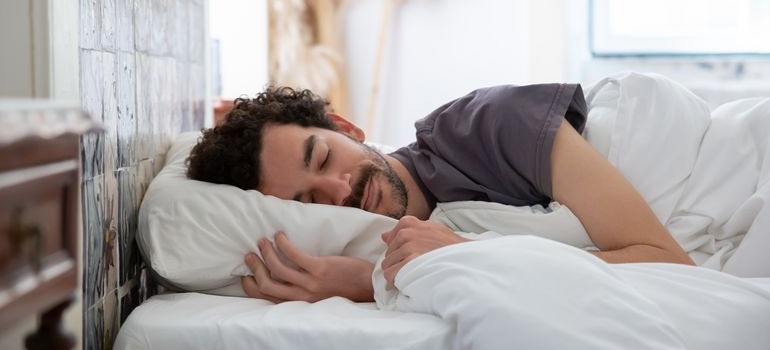
A set sleep schedule gives your body a pattern it can learn. This matters when trazodone for sleep during recovery is one part of care. Start with small steps you can repeat most nights, even when cravings or stress rise:
- Wake up at the same time each morning, even after a rough night.
- Set a bedtime that allows enough rest.
- Turn off bright screens before bed when possible.
- Keep naps short and earlier in the day.
- Use a calm routine, such as reading or stretching.
- Avoid caffeine late in the day.
- Keep your room quiet, dark, and cool.
Managing Anxiety And Nighttime Triggers
Night can feel louder when your mind has fewer distractions. Anxiety, guilt, cravings, or old memories may show up right when you want rest. Instead of fighting every thought, try to slow your body first. Breathe deeply, unclench your jaw, and remind yourself that a hard night does not mean you are failing. If you use trazodone for insomnia, tell your provider whether anxiety still breaks through.
Medication may help with sleep, but triggers often need therapy, coping skills, and support. You can also plan ahead for risky times, such as anniversaries, conflict, or lonely evenings. Reaching out before the urge grows gives you more control and helps you stay connected to recovery when your mind feels busy and your body feels tired at bedtime or overnight during recovery work.
Combining Medication With Therapy And Support
The best sleep support usually comes from more than one tool. Trazodone sleep medication may help your body rest, while therapy helps you work through the stress, fear, and habits that keep you awake. A CBT treatment plan for substance abuse can teach you how thoughts, cravings, and actions connect. It can also help you build safer responses when sleep gets hard.
Support groups, family work, movement, and daily structure can add more stability. You do not need to fix everything at once. Start with honest talks about what is working and what is not. When medication and therapy support each other, this support can fit into a fuller recovery plan instead of carrying the whole burden by itself every night, while you keep building steady care that lasts longer.

Get Help That Supports Your Whole Recovery
Sleep matters in recovery because it affects your mood, focus, and ability to keep going when treatment feels hard. Trazodone may help some people rest, but it works best when a doctor watches your dose, side effects, and overall progress. If you searched for trazodone for sleep, the key point is simple: this medication can support sleep, but it should not replace therapy, healthy routines, or real recovery support. You deserve care that looks at the full picture, not just one symptom. Talk with a treatment provider about your sleep, your recovery goals, and the safest way to build steady rest again.
Frequently Asked Questions
Is trazodone a strong sleeping pill?
No, trazodone is not considered a strong sleeping pill. It is an antidepressant that is often prescribed off-label for sleep because it can cause drowsiness and help people fall asleep more easily.
How long does it take trazodone to kick in for sleep?
Trazodone typically begins working within 30 minutes to 2 hours after taking it. Many people notice its sleep-promoting effects the first night, although individual responses can vary.
What is the biggest side effect of trazodone?
The most common and significant side effect of trazodone is drowsiness or daytime sleepiness. Other potential side effects include dizziness, dry mouth, headache, and low blood pressure, especially when standing up quickly.
Admissions
Family Programs
“5-star treatment
experience”
Every element of this treatment experience is 5-star: one-on-one counseling, group therapy, Adventure Trek, lodging, amenities, food, staff. Inpatient and outpatient services are the best you’ll find anywhere. Staff truly care for each individual and want to see them succeed in their recovery. A very special place. Love LC from the bottom of my heart
Meg Boyle |


Take the First Step Towards a Healthier Life
Begin Today