
 570-630-9354
Edible Cannabis: How Long It Lasts, Side Effects, and Risks
Begin Today
Edible cannabis takes longer to work than inhaled cannabis and can produce longer-lasting effects. THC edibles also carry risks of overconsumption, paranoia, impairment, dependence, and cannabis use disorder. Detection times vary, while careful storage helps prevent accidental ingestion.
Jump to Section
Edible cannabis works differently from smoked or vaped cannabis because your body processes it through digestion before the effects reach your brain. That delay can make THC edibles harder to judge, especially if you expect to feel something right away. You may wait longer for the effects, but they can last much longer once they begin. This matters because taking more too soon can lead to an intense and uncomfortable experience. If you use cannabis edibles often, you may wonder about addiction risk, tolerance, and how long THC stays detectable. Knowing what to expect can help you make choices and recognize when use is becoming a problem. For some people, drug rehab in Pennsylvania may become part of that conversation.
What are Edibles?
Edible cannabis refers to food and drink items infused with cannabinoids, primarily THC (tetrahydrocannabinol) and CBD (cannabidiol), which are compounds extracted from the cannabis plant. Unlike smoking cannabis, where the effects can be felt almost immediately, cannabis edibles require digestion. This means the effects take longer to manifest and typically last much longer.
Unlike inhaled cannabis, oral THC passes through the digestive system before undergoing first-pass metabolism in the liver. This process produces 11-hydroxy-THC, an active metabolite that contributes to the different intensity and duration people may experience with edibles.
Types of edible cannabis include:
- Baked goods: Brownies, cookies, cakes
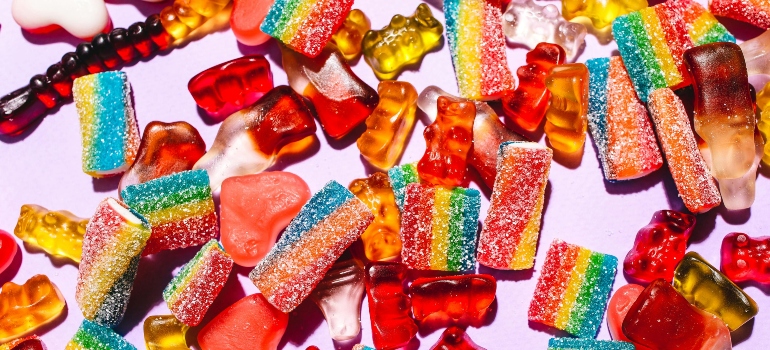
- Candies: Gummies, hard candies, mints
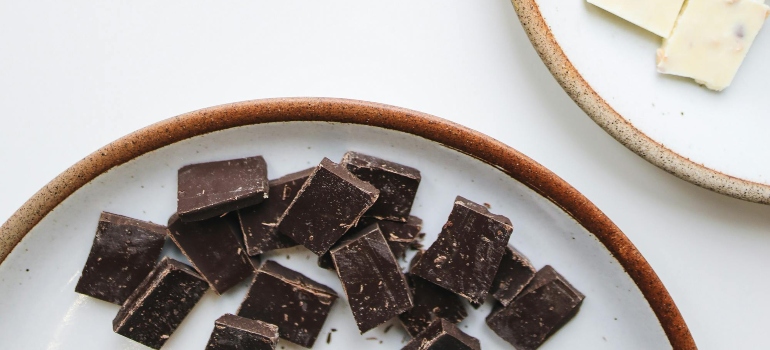
- Chocolates: Bars, truffles, bonbons
- Beverages: Teas, coffees, sodas
People use these products not only for recreational purposes but also for their potential medicinal benefits, such as pain relief and anxiety reduction. However, because the body processes THC in edibles differently than inhaled cannabis, it’s crucial to carefully manage dosages to avoid adverse effects.
Can you Get Addicted to Edibles?
Yes. Regular or problematic use of THC edibles can contribute to cannabis use disorder, a condition in which a person has difficulty stopping or controlling cannabis use despite negative effects on their life.
Cannabis Use Disorder, Tolerance, and Dependence
Cannabis edibles contain THC, so regular or problematic use can contribute to cannabis use disorder (CUD). The CDC estimates that approximately 3 in 10 people who use cannabis have cannabis use disorder. The risk is greater among people who begin using cannabis at a young age or use it more frequently. Cannabis use disorder involves difficulty controlling cannabis use even when it causes problems.
Some people also develop tolerance, meaning they need more cannabis to experience the same effects. Frequent use can lead to physical dependence, and stopping or reducing use may cause withdrawal symptoms such as irritability, anxiety, sleep problems, restlessness, or changes in appetite. Withdrawals from weed can include irritability, anxiety, sleep problems, restlessness, and changes in appetite, especially after frequent use.
Risks Specific to Edibles
Edibles have specific risks because their effects are delayed. A person may take another dose before the first one has fully taken effect, leading to unintended overconsumption and stronger or longer-lasting effects. Frequent use of THC products can also contribute to tolerance, dependence, withdrawal, and cannabis use disorder.
Signs of Cannabis Use Disorder
Problematic or compulsive edible cannabis use may be a sign of cannabis use disorder. Warning signs can include:
- Increased tolerance, needing more edibles to achieve the same effects
- Difficulty controlling or reducing use
- Spending a lot of time obtaining, using, or recovering from the effects of edibles
- Neglecting responsibilities or activities in favor of using edibles
- Continuing to use edibles despite negative consequences
If any of these signs resonate, consider seeking guidance from a marijuana rehab center. Professional support can help manage and overcome dependence on cannabis edibles.
How Long Do Edibles Take to Kick In? Understanding THC Onset Time
Cannabis edibles generally take about 30 minutes to 2 hours to produce noticeable intoxicating effects. Unlike inhaled cannabis, THC that is swallowed must pass through the digestive system before it is absorbed and processed by the liver. This slower process explains why edible effects do not begin immediately. During first-pass metabolism, the liver also produces 11-hydroxy-THC, an active metabolite that contributes to the different effects people may experience with oral THC.
How quickly THC edibles affect you can vary. Because onset varies, do not assume an edible is not working simply because you do not feel effects right away. Factors that may influence your experience include:
- Individual differences: Digestion, metabolism, and sensitivity to THC vary from person to person.
- Previous cannabis use: Your experience with cannabis and frequency of use can affect how you respond.
- Food and other substances: What you have eaten and whether you use alcohol, medications, or other substances can influence the effects.
- THC amount and concentration: Higher amounts of THC may produce stronger effects, but they do not necessarily make an edible take effect faster.

Edibles vs. Inhaled Cannabis: How Long Do the Effects Last?
Inhaled cannabis generally begins producing effects much faster than edible cannabis because THC enters the bloodstream through the lungs rather than passing through digestion first. The effects of smoking or vaping cannabis also tend to peak sooner and wear off sooner than those of edibles.
Edible cannabis takes longer to produce noticeable effects, but the intoxication can last for several hours. The delayed onset is one of the main safety concerns with THC edibles because you may take another dose before the first one has fully taken effect. This can lead to unexpectedly strong or prolonged effects and increase the risk of overconsumption.
How Long Do Edibles Stay in Your System?
The effects of edible cannabis may wear off within hours, but THC or its metabolites can remain detectable much longer. A positive drug test does not necessarily mean you are still intoxicated. For example, urine tests commonly look for THC-COOH, an inactive metabolite that can remain in the body after the noticeable effects have ended.
Approximate detection periods vary by the type of test:
- Saliva or oral fluid: Usually reflects more recent cannabis use, often within hours to about one or two days.
- Blood: THC after a single use is generally detectable for a shorter period, often measured in hours, although low levels may persist for days in frequent users.
- Urine: THC metabolites may remain detectable for several days and, with frequent or chronic use, for several weeks.
- Hair: Testing can provide a history of repeated cannabis use covering approximately 90 days, depending on the length of hair analyzed.
These are approximate ranges, not guarantees. Detection depends on how frequently you use cannabis, the amount and THC concentration consumed, your metabolism, the specimen tested, the laboratory method, and the cutoff used to define a positive result.
What Affects How Strong Cannabis Edibles Feel?
The effects of cannabis edibles depend on more than whether you choose a gummy, chocolate, candy, or another product. THC concentration and the total amount consumed are more useful indicators of how strong the effects may be. Your previous experience with cannabis, individual sensitivity, frequency of use, and whether you combine cannabis with alcohol or other substances can also change how you respond.
Route of administration matters as well. Edible cannabis generally takes longer to produce effects than inhaled cannabis, which can make the experience harder to predict. Because of this delay, taking additional THC before the first dose has fully taken effect can increase the risk of overconsumption.
What Happens If You Take Too Much Edible Cannabis?
Taking too much edible cannabis can cause intense and sometimes frightening effects. This is more likely with THC edibles because the effects are delayed. You may take another serving before the first one has fully taken effect, causing the total THC dose to become much higher than intended.
Signs that you may have consumed too much THC include:
- Severe anxiety or panic
- THC paranoia
- Confusion or disorientation
- Rapid heart rate
- Hallucinations or delusions
- Severe nausea or vomiting
- Marked impairment, including trouble with coordination, judgment, or staying alert
These effects can last for hours because edible THC generally remains active longer than inhaled cannabis. Avoid driving, operating machinery, or taking more cannabis while you are impaired.
When to Seek Medical Attention
Some reactions to THC edibles require medical care. Seek urgent medical attention if someone has trouble breathing, chest pain, a seizure, loses consciousness, cannot be awakened normally, becomes dangerously confused or agitated, or has severe or repeated vomiting that may cause dehydration.
Accidental ingestion by a child should be treated more seriously. Children can become very ill after consuming cannabis edibles and may require hospital monitoring or breathing support, so contact medical or poison-control professionals promptly even if symptoms have not appeared yet.
Do Edibles Expire?
Yes. Cannabis edibles can expire or spoil, just like other foods. How long a product remains safe or fresh depends on its ingredients, packaging, and storage conditions. Products containing perishable ingredients may spoil sooner than items such as hard candies, so follow the expiration date and storage instructions provided on the package.
Keep THC edibles sealed and protected from excess heat, light, and moisture. Discard a product if you notice mold, an unusual smell, discoloration, damaged packaging, or other signs of spoilage.
Safe storage is especially important if children are present. Cannabis edibles can look like ordinary gummies, candy, cookies, or other snacks. Store them in a locked, childproof container, separate from regular food, and completely out of children’s sight and reach.
Dangerous Side Effects of Edible Cannabis
While cannabis edibles are a popular choice for their long-lasting effects, they also come with certain risks, especially when consumed in large amounts or over an extended period. These side effects can be categorized into immediate reactions and potential long-term impacts on health.
Immediate Side Effects of Edibles
The delayed onset of effects from edibles can lead users to inadvertently consume too much THC, resulting in uncomfortable or severe immediate side effects:
- Severe anxiety and panic attacks
- Paranoia
- Increased heart rate (Tachycardia)
- Disorientation and cognitive impairment
- Nausea and vomiting
Long-Term Side Effects of Edibles
Chronic use of cannabis edibles, particularly in high doses, can lead to more serious long-term effects, distinct from the immediate risks:
- Mental health concerns: Long-term use of high-THC edibles may contribute to worsening symptoms of mental health conditions like depression or anxiety. In some cases, it may even trigger or exacerbate psychosis, especially in individuals with a predisposition to such conditions
- Cognitive decline: Regular consumption of cannabis edibles can lead to persistent cognitive issues, including memory loss, reduced attention span, and difficulty concentrating, which can impair daily functioning and work performance.
- Cannabis Hyperemesis Syndrome (CHS): Frequent use of cannabis, including edibles, has been linked to CHS, a condition characterized by severe, cyclic vomiting that can be difficult to manage without ceasing cannabis use.
Mitigating Risks Associated with Edibles
To minimize the long-term risks of edibles and avoid serious side effects:
- Start low, go slow: Begin with a low dose and wait at least two hours before considering another dose, to avoid accidental overconsumption.
- Moderate consumption: Limit the frequency and amount of edible consumption, especially if you notice negative effects on your mental or physical health.
- Stay informed and monitor: Regularly assess how edibles are affecting you, and seek medical advice if you notice persistent negative side effects.
Treatment for Cannabis Use Disorder
Treating cannabis use disorder typically involves a combination of outpatient addictions treatment services Pennsylvania, therapy, and support groups. Outpatient treatment allows individuals to receive therapy and medical monitoring while continuing their daily routines, making it a flexible option for those with mild to moderate addiction.
Cognitive Behavioral Therapy (CBT) is often used to help patients recognize and change negative thought patterns that contribute to substance use, providing practical tools for stop cravings. and preventing relapse.
For individuals with co-occurring mental health issues, dual diagnosis treatment in PA addresses both the addiction and underlying conditions like depression or anxiety, offering a comprehensive approach to recovery. Long-term support through groups like Marijuana Anonymous can provide ongoing community and accountability, helping to sustain sobriety after formal treatment has ended.

Safe and Informed Use of Edible Cannabis
While edible cannabis offer a discreet and smoke-free alternative to traditional consumption methods, they come with unique risks that require careful consideration. The delayed onset and prolonged effects of edibles can easily lead to overconsumption, making it crucial to start with a low dose and be patient. For those unsure about how to use edibles safely, or if you’re experiencing difficulties managing your consumption, seeking professional guidance is essential. Whether for recreational or medicinal use, understanding the benefits and risks of edibles ensures a safer and more enjoyable experience. If you need help with cannabis use, our drug rehab in Lake Ariel PA, offers specialized treatment options to support your journey to recovery.
Frequently Asked Questions
How long do cannabis edibles take to kick in?
Cannabis edibles usually begin to take effect within 30 minutes to 2 hours, but the full effects may take up to 4 hours. Timing varies with the THC dose, the product, your metabolism, whether you have eaten, and other substances or medications you use. Because the onset is delayed, taking another dose too soon can increase the risk of unpleasant or dangerous effects.
How long do edibles last?
The noticeable effects of cannabis edibles often last about 4 to 8 hours, although some public-health guidance notes that effects can persist for up to 12 hours. Lingering impairment or drowsiness may last as long as 24 hours in some people. Duration depends on the THC dose, individual tolerance, metabolism, food intake, and whether alcohol, medications, or other drugs were used at the same time.
How long do edibles stay in your system?
Edibles can affect you for hours, but THC metabolites may remain detectable much longer. In urine, detection can range from several days after occasional use to weeks after frequent or heavy use. There is no single reliable timeline because test type, dose, frequency of cannabis use, body composition, metabolism, and laboratory cutoff levels all matter. Feeling sober does not mean THC metabolites have left your body.
Can you become addicted to edibles?
Yes. Edibles contain THC, so regular use can contribute to cannabis use disorder just as other THC-containing cannabis products can. The CDC estimates that about 3 in 10 people who use cannabis develop cannabis use disorder. Warning signs include craving cannabis, needing more to get the same effect, unsuccessful attempts to stop, and continuing to use it despite problems at work, school, home, or in relationships.
What happens if you take too many edibles?
Taking too many THC edibles can cause cannabis poisoning. Symptoms may include severe anxiety, panic, paranoia, confusion, a fast heart rate, hallucinations, nausea, vomiting, and poor coordination. Edibles are especially risky because their effects are delayed, which can lead people to take more before the first dose fully works. Severe symptoms, trouble breathing, loss of consciousness, or accidental ingestion by a child require urgent medical help.
Do cannabis edibles expire?
Yes. Cannabis edibles can lose quality over time, and the food itself can become stale or spoil depending on its ingredients and storage. Check the package for a best-before, durable-life, or other date and follow the listed storage instructions. Heat, light, air, and moisture can also affect product quality. Do not eat an edible that shows mold, an unusual smell, damaged packaging, or other signs of spoilage.
Admissions
Family Programs
“5-star treatment
experience”
Every element of this treatment experience is 5-star: one-on-one counseling, group therapy, Adventure Trek, lodging, amenities, food, staff. Inpatient and outpatient services are the best you’ll find anywhere. Staff truly care for each individual and want to see them succeed in their recovery. A very special place. Love LC from the bottom of my heart
Meg Boyle |


Take the First Step Towards a Healthier Life
Begin Today