 570-630-9354
The Risks of Mixing Alcohol With Drugs and Medications
Begin Today
Mixing alcohol with drugs and medications can cause dangerous side effects, including breathing problems, heart issues, overdose risk, and severe organ damage, especially when alcohol interacts with prescription medications, illicit substances, or over-the-counter drugs.
Jump to Section
You may think having a drink while taking medication is harmless. However, mixing alcohol with drugs can quickly turn risky. Alcohol changes how your body processes many substances. As a result, side effects can feel stronger and harder to control. Some combinations slow your breathing. Others raise your heart rate or blood pressure. In serious cases, the mix can lead to overdose or long-term organ damage. The danger is not always obvious at first. You might feel more relaxed, sleepy, or dizzy. Still, those early signs can signal something more serious. Even common prescriptions and over-the-counter pills can react badly with alcohol. That is why it helps to know the risks before you pour another drink. If you are worried about your safety or someone else’s, you are not alone, and support is available.
Why Mixing Alcohol With Drugs Is So Dangerous
Alcohol changes how your brain and body function. Drugs do the same, but often in different ways. When you combine them, the effects can clash or multiply. Mixing alcohol with drugs can slow breathing, strain your heart, and cloud your judgment. You may think you are fine because you have done it before. However, your body reacts differently each time.
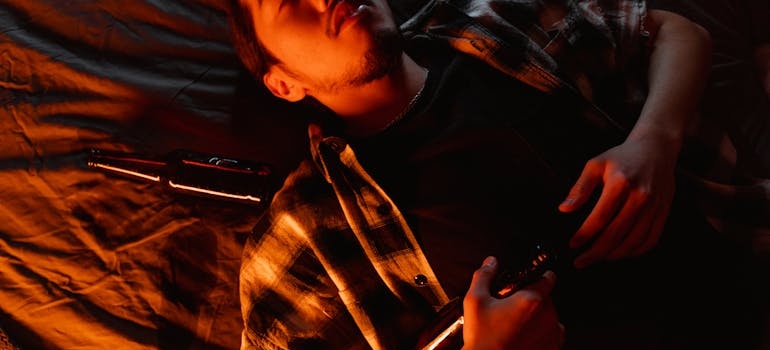
Many people ask how long does it take alcohol to leave your system, yet they forget that some drugs stay active much longer. That overlap increases risk. Even small amounts can create serious problems, especially with prescriptions. Mixing alcohol with drugs also makes it harder to notice warning signs early. What feels mild at first can turn dangerous fast. Your safety depends on knowing these risks.
Common Medications That Should Never Be Mixed With Alcohol
Many people take daily medications and still assume a drink will not cause harm. However, alcohol can change how these drugs work in your body. That can increase side effects or reduce treatment results. Some combinations can even become life-threatening. Before you mix alcohol with any prescription or over-the-counter medication, it helps to know the risks and protect your health.
Opioids And Pain Medications
Opioids are strong pain medications that already slow your breathing and heart rate. When you add alcohol, those effects can double. As a result, you may feel extreme drowsiness, confusion, or dizziness. In serious cases, your breathing can slow to a dangerous level. That is how many overdoses happen. You might ask what drugs not to mix with alcohol, and opioids are at the top of that list.
Even small amounts of alcohol can create big risks. If you feel dependent on pain pills and alcohol, it may be time to seek help. Programs such as opiate detox PA can provide medical support during withdrawal. You do not have to face this alone. A doctor can help you find safer ways to manage pain without risking your life.
Benzodiazepines And Anxiety Medications
Benzodiazepines are often prescribed for anxiety, panic attacks, or sleep problems. They calm the nervous system, just like alcohol does. When you mix the two, sedation becomes much stronger. You may struggle to stay awake or think clearly. Your coordination can suffer, which raises the risk of falls and accidents. In higher amounts, breathing can slow down in a life-threatening way.
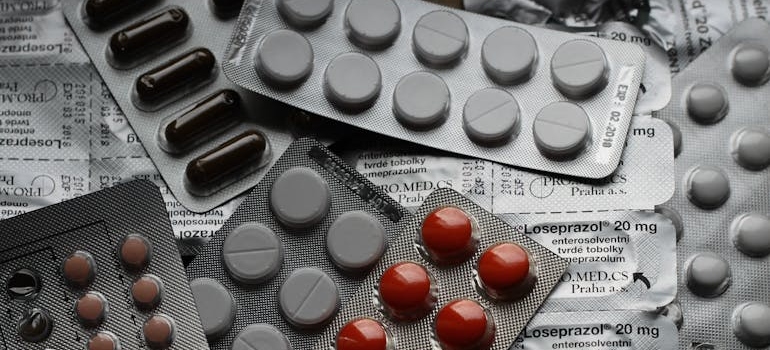
Some people assume there are answers to what drugs can you mix with alcohol, but benzodiazepines are never safe to combine. Regular mixing can also lead to dependence on both substances. If you notice you cannot stop, professional care matters. Many benzodiazepine rehab centers offer structured support and therapy. Reaching out early can prevent serious harm and protect your long-term health.
Antidepressants And Mood Stabilizers
Antidepressants and mood stabilizers help regulate brain chemistry. Alcohol can interfere with that balance. You may notice worse mood swings, increased anxiety, or deeper depression after drinking. In some cases, alcohol reduces how well your medication works. That can delay progress and make symptoms harder to manage. Mixing these substances may also increase side effects like dizziness, nausea, or sleep problems.
Over time, this pattern can raise the risk of misuse. If drinking becomes frequent while on medication, speak with your doctor. You deserve clear answers about your safety. When substance use starts affecting mental health treatment, prescription drug addiction treatment may be needed. Getting help does not mean failure. It means you want your treatment to truly work and support your stability.
Over-The-Counter Cold And Sleep Aids
Cold remedies and sleep aids may seem harmless, yet many contain ingredients that react strongly with alcohol. These products can increase drowsiness and slow reaction time. Some also strain your liver when combined with alcohol. Because they are easy to buy, people often forget the risks. Pay attention to common products such as:
- Antihistamines: Can cause extreme sleepiness and confusion
- Cough syrups with dextromethorphan: May increase heart rate and dizziness
- Acetaminophen-based cold medicine: Raises the risk of liver damage
- Nighttime sleep aids: Can slow breathing and impair judgment
Illicit Drugs And Alcohol: A High-Risk Combination
Illicit drugs already place heavy stress on your body and mind. Adding alcohol increases that strain and makes the effects less predictable. You may feel stronger highs at first, yet the crash can be worse. This mix can affect your heart, breathing, and judgment. Even one night can lead to serious harm. Knowing the risks can help you make safer decisions and protect your life.
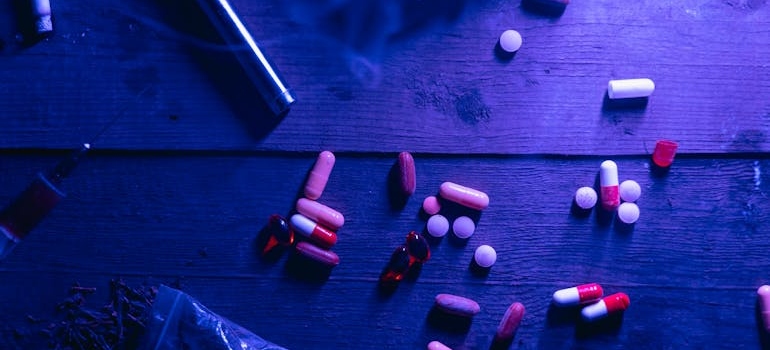
Stimulants And Increased Heart Strain
Stimulants like cocaine and meth speed up your heart and raise blood pressure. Alcohol may feel like it balances that rush, but it does not. Instead, mixing alcohol with drugs such as stimulants forces your heart to work harder. You may feel chest pain, anxiety, or sudden mood swings. In some cases, the body forms toxic compounds that increase stress on the heart and liver.
This combination can also mask how intoxicated you really are, so you may take more than you planned. That raises the danger even more. Mixing alcohol with drugs in this way can lead to stroke, heart attack, or collapse. If this pattern feels familiar, help is available. A cocaine addiction treatment center can offer medical care and therapy to support safer recovery and long-term health.
Depressants And Slowed Breathing
Depressants such as heroin, certain pills, and other opioids slow down the nervous system. Alcohol does the same thing. When you combine them, the calming effect can turn deadly. Mixing alcohol with drugs that are depressants may slow your breathing to a dangerous level. You might feel extreme sleepiness, confusion, or trouble staying awake.
In severe cases, a person can stop breathing without warning. That is how many overdoses happen. Even if you think you can handle it, the body reacts differently each time. Tolerance does not protect you from risk. If you or someone you love struggles with opioid use, professional care matters. Many heroin rehab centers provide medical supervision and support. Reaching out now can protect your life and give you a safer path forward.
Increased Risk Of Overdose
Alcohol can hide the warning signs that your body has had too much. You may not notice how impaired you are until it becomes serious. Mixing alcohol with drugs increases the chance of overdose because both substances affect the brain and vital organs. The risks grow when doses are higher or taken close together. Pay attention to signs such as:
- Slow or irregular breathing
- Blue lips or fingertips
- Extreme drowsiness or unconsciousness
- Vomiting while passed out
- Weak pulse or low blood pressure
- Seizures or sudden collapse

Warning Signs Of A Dangerous Combination
Your body often sends signals when something is wrong. Pay attention if you notice sudden changes after drinking while on medication or other substances. These warning signs may appear quickly or build over hours. Do not ignore them, even if they seem mild at first. Look for signs such as:
- Extreme drowsiness or trouble staying awake
- Slow, shallow, or irregular breathing
- Confusion or unusual behavior
- Chest pain or rapid heartbeat
- Severe nausea or repeated vomiting
- Loss of consciousness or fainting
Getting Help For Alcohol And Drug Misuse
Admitting you need help can feel hard, yet it can also bring relief. Alcohol and drug misuse often grow slowly, and you may not notice the shift at first. Still, support is available, and treatment can make a real difference. You deserve care that protects your health and respects your story. Taking one step today can lead to safer, stronger days ahead.
Talking To A Medical Professional
You do not have to guess about the risks of alcohol and medication. A medical professional can give you clear answers based on your health history. Be honest about how much you drink and what substances you use. Doctors are there to help, not judge. They can explain how certain combinations affect your body and adjust prescriptions if needed.
If stopping feels hard, say that out loud. That honesty can open the door to real support. In some cases, a referral to a Pennsylvania recovery center may be the safest next step. Early action can prevent serious complications later. Your health matters, and a simple conversation with a provider can protect you from long-term harm and give you direction.

Treatment Options And Support Programs
If mixing alcohol and drugs has become a pattern, structured treatment can help you regain control. Care is not one-size-fits-all. Some people need medical detox first, especially if withdrawal symptoms are strong. Others benefit from outpatient care that fits around work and family life.
A partial hospitalization program rehab in Pennsylvania offers daily support while allowing you to return home at night. Therapy can help you understand triggers and build healthier coping skills. Group sessions also remind you that you are not alone. Support programs focus on both physical safety and mental health. The goal is steady progress, not perfection. Reaching out for treatment is a strong step toward protecting your body and rebuilding stability.
Building A Safer Recovery Plan
Recovery works best when you have a clear plan. You need structure, support, and realistic goals. Small steps can create steady change over time. A safer recovery plan may include:
- Meeting regularly with a doctor or therapist
- Attending support groups each week
- Avoiding people or places linked to substance use
- Creating a daily routine with regular meals and sleep
- Making a list of emergency contacts for high-risk moments
- Setting short-term goals and tracking progress
Short-Term And Long-Term Health Risks
The risks of combining alcohol and drugs can show up right away. Some effects are immediate and serious. Others develop slowly and harm your health over time.
Short-term risks may include:
- Accidents due to poor judgment
- Overdose or slowed breathing
- Dangerous drops in blood pressure
- Aggressive or risky behavior
- Dehydration and severe headaches

Long-term risks can affect major organs and mental health. Continued mixing may lead to:
- Liver damage or failure
- Heart problems
- Memory loss or cognitive decline
- Worsening depression or anxiety
- Increased dependence on substances
Get Help If Alcohol and Drugs Are Mixing in Your Life
Mixing alcohol with drugs can put your health at real risk, even if it seems harmless at first. You may feel fine one night, yet the strain on your body can build quickly. Alcohol can change how medications work, and that can lead to serious problems. Your breathing, heart rate, and judgment may all suffer. Over time, your liver and brain can also take a hit. Still, you have control over your next step. Talk to your doctor before drinking while on any medication. Read labels carefully and ask questions if something feels unclear. If you notice warning signs, reach out for help right away. Support is available, and early action can prevent long-term harm. Your safety matters, and small choices today can protect your future.
Frequently Asked Questions
Which drugs should you not mix with alcohol?
You should never mix alcohol with opioids, benzodiazepines, sleeping pills, antidepressants, stimulants, or certain pain medications. Combining alcohol with these drugs can slow breathing, increase sedation, strain the heart, or raise the risk of overdose. Even some over-the-counter medications, such as cold and allergy remedies, can become dangerous when taken with alcohol. Always read warning labels and speak with your doctor or pharmacist before drinking while on medication.
What happens when you mix drugs with alcohol?
When you mix drugs with alcohol, the effects of both substances often become stronger and less predictable. Alcohol can intensify drowsiness, impair judgment, and slow breathing. In other cases, it can increase heart rate and blood pressure. This combination raises the risk of accidents, overdose, organ damage, and long-term health problems. The danger is even greater if someone already struggles with substance use.
Can mixing alcohol with prescription medication cause long-term damage?
Yes, regularly combining alcohol with prescription medication can lead to lasting harm. Over time, it may damage the liver, heart, brain, and other organs. It can also reduce how well medications work, making treatment for conditions like depression, anxiety, or chronic pain less effective. Continued mixing may increase dependence and complicate recovery, especially for people in treatment for substance use disorders.
Admissions
Family Programs
“5-star treatment
experience”
Every element of this treatment experience is 5-star: one-on-one counseling, group therapy, Adventure Trek, lodging, amenities, food, staff. Inpatient and outpatient services are the best you’ll find anywhere. Staff truly care for each individual and want to see them succeed in their recovery. A very special place. Love LC from the bottom of my heart
Meg Boyle |


Take the First Step Towards a Healthier Life
Begin Today