
 570-630-9354
Signs and Symptoms of Heroin Use and When to Seek Help
Begin Today
Signs and symptoms of heroin use include sudden behavior changes, drowsiness, weight loss, track marks, and isolation. Help should be sought when use becomes frequent, risky, or causes health, financial, legal, or relationship problems, or when withdrawal symptoms appear.
Jump to Section
Heroin use can be hard to recognize at first, especially if someone tries to hide it. Small changes often appear before serious problems start. You might notice changes in mood, sleep, health, or daily habits. These changes can slowly become more serious over time. Learning the signs and symptoms of heroin use can help you act sooner and prevent more harm. Many people wait too long because they are unsure or afraid to ask for help. However, early action can make treatment easier and safer. Addiction does not happen overnight, and there are often warning signs along the way. If you are worried about yourself or someone you care about, paying attention to these signs can make a big difference. Help is available, and recovery is possible with the right support and treatment.
Recognizing The Signs And Symptoms Of Heroin Use
Heroin use often shows warning signs before addiction becomes severe. Many people ask what are the symptoms of heroin use when they start noticing changes in someone they care about. These signs can be physical, emotional, and behavioral. Recognizing them early can help prevent serious health risks, addiction, and overdose, and it can help someone get treatment sooner.

Physical Signs Of Heroin Use
Heroin affects the body quickly, and many physical changes appear early. You may notice these signs before you realize how serious the situation is. Paying attention to physical health changes can help you recognize the signs and symptoms of heroin use sooner. Some signs are easy to miss at first, but they usually become more noticeable over time. Look for these physical signs:
- Small pupils
- Drowsiness
- Weight loss
- Track marks
- Slow breathing
- Frequent itching
- Poor hygiene
Behavioral Changes Linked To Heroin Use
Behavior often changes before people notice physical signs. Someone may start acting differently, missing responsibilities, or avoiding people. These changes can happen slowly, so they are easy to explain away at first. Over time, the pattern becomes clearer and harder to ignore.
Many families first notice behavior changes before anything else. Recognizing these patterns can help you identify the signs and symptoms of heroin use earlier. Some people may lose interest in hobbies, miss work or school, or start lying about where they go. Treatment programs like IOP in Pennsylvania can help people address these behaviors and begin recovery in a structured way.
Psychological Signs Of Heroin Use
Heroin also affects mood, thinking, and emotions. Mental and emotional effects of heroin on the brain are common and can become serious over time. You may notice personality changes, emotional withdrawal, or sudden mood swings. These psychological changes are often part of the signs and symptoms of heroin use and should not be ignored.
Watch for these psychological signs:
- Mood swings
- Depression
- Anxiety
- Irritability
- Confusion
- Lack of motivation
- Emotional numbness

Signs Of Heroin Dependence And Tolerance
Dependence and tolerance develop when the body gets used to heroin. This means a person needs more of the drug to feel the same effect. They may also feel sick if they stop using. This is a major warning sign that addiction is developing. People may try to quit but feel withdrawal symptoms and start using again to feel normal. At this point, professional treatment is often needed. Many heroin rehab centers help people through detox, therapy, and long-term recovery support. Recognizing dependence early can prevent overdose and serious health problems later.
Social Signs Of Heroin Use
Social changes are often very noticeable once heroin use becomes more serious. Someone may stop spending time with family and old friends. They may start spending time with new people who use drugs. Isolation is very common because people want to hide their drug use.
You might also notice relationship conflicts, arguments, or loss of trust. People may avoid social events, family gatherings, or important life events. Over time, their social world becomes smaller and centered around drug use. These social changes are often clear signs that heroin use is affecting daily life and relationships in serious ways.
Financial Problems Linked To Drug Use
Heroin addiction often leads to money problems very quickly. Drugs become expensive, and people may spend most of their money on heroin. Bills may go unpaid, and borrowing money becomes common. Some people sell personal items or valuables. Others may start stealing or getting into legal trouble.
Financial stress is often one of the biggest warning signs families notice. Treatment may seem expensive, but many insurance plans help. For example, blue cross blue shield drug rehab coverage may help pay for treatment services. Getting help early can prevent serious financial damage and legal problems later.

Changes In Daily Routine And Responsibilities
Heroin use often changes a person’s daily routine. Sleep schedules may become irregular, and responsibilities may be ignored. Someone may stop going to work, skip school, or miss important appointments. Daily tasks like cleaning, cooking, or paying bills may stop. Over time, their life begins to revolve around getting and using heroin.
This is one of the most serious signs addiction is taking control. A Pennsylvania recovery center can help people rebuild structure, routines, and healthy habits. Recovery often starts with rebuilding daily life step by step and learning how to manage responsibilities again.
Signs Of Secretive Or Isolating Behavior
People who use heroin often try to hide it. They may lock doors, spend long time in the bathroom, or avoid conversations. They may become defensive when asked simple questions. Isolation is very common because people feel shame, fear, or guilt. They may stop answering calls or messages and avoid family.
Over time, secrecy becomes part of daily life. Treatment programs, therapy, and sober living houses in PA can help people rebuild trust, relationships, and healthy social habits. Isolation often makes addiction worse, while support and connection help recovery begin.
How Heroin Use Progresses Into Addiction
Heroin addiction usually does not happen all at once. Many people start using occasionally, thinking they can control it. Over time, the body builds tolerance, so more of the drug is needed to feel the same effect. Then dependence begins, which means the body feels sick without the drug. At this point, people often use heroin just to feel normal and avoid withdrawal.
Life slowly starts to revolve around getting and using the drug. Work, school, and relationships often begin to suffer. Money problems and health problems may follow. Even when someone wants to stop, withdrawal and cravings make quitting very hard without help. This is how occasional use can turn into addiction. The earlier someone recognizes the problem, the easier it is to get help and begin recovery.

When To Seek Help For Heroin Use
It can be hard to know when heroin use has become a serious problem. Many people wait too long because they hope things will improve on their own. However, heroin addiction often gets worse over time without treatment. Seeking help early can prevent overdose, health problems, and serious life consequences. If you are unsure, there are some clear warning signs that help is needed. You should consider seeking help if you notice these signs:
- Using heroin more often than planned
- Feeling sick when not using heroin
- Spending a lot of money on drugs
- Lying to family or friends about drug use
- Missing work, school, or responsibilities
- Relationship problems caused by drug use
- Trying to quit but not being able to stop
- Experiencing withdrawal symptoms
Rehab And Treatment For Heroin Addiction
Treatment for heroin addiction often involves several steps, and each one helps in a different way. Rehab programs focus on both the body and the mind, so recovery can last. Detox, rehab programs, and therapy all work together to help people stop using and build a healthier life. Support and structure make long-term recovery more possible.
Medical Detox And Withdrawal Management
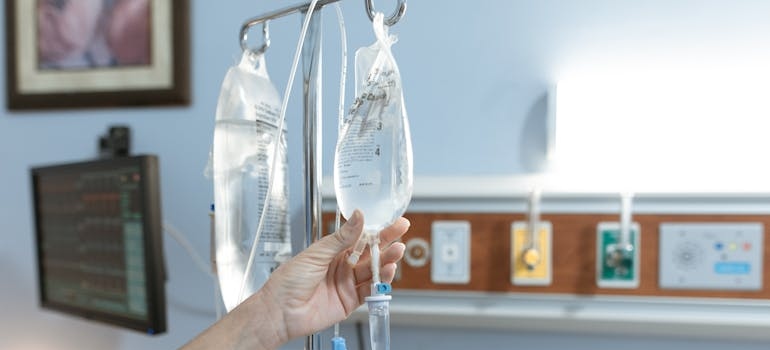
Medical detox is often the first step in heroin addiction treatment. Withdrawal can be very uncomfortable, and sometimes dangerous without help. Doctors and nurses monitor your health and help manage symptoms. Many people ask how long does heroin detox take, and the answer depends on how long and how much someone used.
Most detox programs last several days to a week, but recovery continues after detox. Detox helps your body clear the drug safely so you can focus on treatment. If you have noticed signs of heroin abuse, detox may be the safest way to stop using. It can feel scary at first, but medical support makes the process safer and more manageable. Detox is not the full treatment, but it is an important first step after signs of heroin abuse appear.
Inpatient And Residential Rehab Programs
Inpatient rehab programs provide a structured place where you can focus fully on recovery. You live at the treatment center and receive daily support, therapy, and medical care. This type of program helps people who need a stable and safe environment away from triggers and stress. Many people choose inpatient drug rehab in Pennsylvania because it offers full-time support and a structured schedule.
During rehab, you learn about addiction, coping skills, and relapse prevention. You also attend therapy sessions and group meetings. If you have noticed signs of heroin abuse, inpatient treatment can help you step away from daily stress and focus on recovery. Many people start rebuilding their lives during rehab. Treatment centers help you create routines, build healthy habits, and plan for life after treatment when signs of heroin abuse are recognized.
Therapy And Counseling For Opioid Addiction
Therapy helps people understand why addiction started and how to prevent relapse. Counseling also helps people deal with stress, trauma, and emotions that may lead to drug use. Many people continue therapy long after rehab because recovery takes time and support. Therapy is one of the most important parts of recovery after signs of heroin abuse appear. Common therapy options include:
- Individual therapy: One-on-one sessions to talk about addiction and personal challenges.
- Group therapy: Sharing experiences and learning from others in recovery.
- Cognitive behavioral therapy: Learning how thoughts affect behavior and addiction.
- Family therapy: Helping families rebuild trust and communication.
- Relapse prevention counseling: Learning how to avoid triggers and stay sober.

Health Risks And Long-Term Effects Of Heroin Use
Heroin use can cause serious health problems over time, and many people do not realize how dangerous it can become. The drug slows breathing and heart rate, which increases the risk of overdose. Many people also develop infections, especially if they inject heroin. Liver disease, lung problems, and heart infections are also common with long-term use.
Heroin also affects the brain, which can lead to memory problems, mood changes, and poor decision making. Over time, the body and mind both become dependent on the drug. This makes quitting harder and increases the risk of relapse. Long-term heroin use can also damage relationships, careers, and mental health. Getting help early can prevent many of these long-term health and life problems.
Support And Treatment Can Change Your Life
Noticing the signs and symptoms of heroin use can be scary, but it can also save a life. You may feel unsure what to do next, and that is normal. Still, ignoring the problem usually makes things worse over time. Addiction often grows slowly, and many people do not realize how serious it has become. That is why early help matters so much. Treatment, therapy, and support groups can help people rebuild their lives step by step. You do not have to handle this alone, and neither does your loved one. Asking for help is not weakness. It is the start of change and recovery. If you recognize these signs, take action now. One conversation, one phone call, or one appointment can be the first step toward a healthier future.
Frequently Asked Questions
What are the most common signs and symptoms of heroin use?
Common signs and symptoms of heroin use include extreme drowsiness, sudden weight loss, small pupils, track marks on arms, mood swings, isolation, and loss of interest in normal activities. People may also have money problems, poor hygiene, and changes in sleep patterns.
How quickly can someone become addicted to heroin?
Heroin addiction can develop very quickly. Some people develop dependence after only a few uses, especially with regular use. Heroin affects the brain’s reward system strongly, which is why addiction can happen faster than many people expect.
When should someone seek help for heroin use?
Help should be sought as soon as heroin use becomes regular, causes health or life problems, or when withdrawal symptoms appear. Early treatment improves recovery chances and reduces the risk of overdose and long-term health problems.
Admissions
Family Programs
“5-star treatment
experience”
Every element of this treatment experience is 5-star: one-on-one counseling, group therapy, Adventure Trek, lodging, amenities, food, staff. Inpatient and outpatient services are the best you’ll find anywhere. Staff truly care for each individual and want to see them succeed in their recovery. A very special place. Love LC from the bottom of my heart
Meg Boyle |


Take the First Step Towards a Healthier Life
Begin Today