 570-630-9354
Self-Medication for Bipolar Disorder With Alcohol or Drugs
Begin Today
Self-medication for bipolar disorder with alcohol or drugs happens when someone tries to manage mood swings without medical care, but this often worsens symptoms, increases addiction risk, and delays proper treatment that can stabilize mood and improve long-term mental health.
Jump to Section
Living with bipolar disorder can feel overwhelming, especially when mood swings become hard to control. Some people turn to alcohol or drugs to cope, which is known as self-medication for bipolar disorder. At first, it may seem like it helps, but over time it often makes symptoms worse and creates new problems. Mood swings can become stronger, sleep can get worse, and relationships can suffer. This pattern can slowly lead to addiction and make recovery harder. However, real help is available, and treatment can address both mental health and substance use together. Programs like substance abuse treatment in Pennsylvania can provide therapy, medication support, and guidance for long term stability. You are not alone, and with the right help, recovery and stability are possible.
How Self Medication Begins In Bipolar Disorder
Self-medication for bipolar disorder often begins when mood swings feel overwhelming and hard to control. You may try to calm anxiety, sleep, or escape depression. At first, it may seem helpful, but problems slowly grow. Many people do not notice the pattern right away. Over time, bipolar disorder self-medicating can become a cycle that is hard to stop without help.

Reasons People With Bipolar Disorder Turn To Alcohol Or Drugs
Many people start using substances to cope with emotional pain, sleep problems, stress, or mood swings. It can feel like a quick solution when symptoms feel overwhelming. However, this often turns into self-medication for bipolar disorder and creates more problems over time. Common reasons people turn to alcohol or drugs include:
- Emotional pain: Drinking or using drugs to numb sadness or emotional pain.
- Sleep problems: Using alcohol or drugs to fall asleep or stay asleep.
- Anxiety relief: Trying to calm racing thoughts or constant worry.
- Mania control: Using substances to slow down during manic episodes.
- Stress escape: Avoiding stress instead of learning healthy coping skills.
How Substances Affect Mood Episodes
Alcohol and drugs can make mood swings stronger and more unpredictable over time. Depression may become deeper, and manic episodes may become more intense and riskier. This makes dealing with addiction and bipolar disorder much harder because both problems start feeding each other.
Bipolar self-medicating with alcohol can disrupt sleep, increase impulsive decisions, and make emotions harder to manage. Over time, the brain begins to depend on substances to feel normal, which increases the risk of addiction and emotional instability. Mood episodes may happen more often and last longer, which makes daily life harder to manage and relationships harder to maintain.
Why Temporary Relief Can Lead To Bigger Problems
Temporary relief can feel like a solution when emotions feel overwhelming, but it often leads to bigger problems later. Alcohol or drugs may reduce anxiety or sadness for a short time, but symptoms return stronger after the effects wear off. This creates a cycle where you feel like you need substances just to feel normal again.

Over time, self-medication for bipolar disorder can lead to addiction, financial problems, relationship problems, and health issues. Mood swings also become harder to control, and treatment becomes more complicated. What starts as coping can slowly turn into dependence and emotional instability that feels impossible to manage alone.
The Pattern Of Self Medication And Emotional Instability
The pattern often starts with occasional drinking or drug use during stressful times or mood episodes. Then it slowly becomes more frequent as you begin to rely on substances to cope with emotions. Bipolar disorder self-medicating often leads to mood swings becoming stronger and more unpredictable.
Emotional instability increases, and daily responsibilities become harder to manage. Relationships may suffer, and work or school performance may drop. Over time, the brain starts linking substances with emotional relief, which makes stopping much harder. This cycle can continue for years if no treatment is received, which is why early help is very important.
Risks Of Using Alcohol Or Drugs To Manage Bipolar Symptoms
Using alcohol or drugs to manage bipolar symptoms may feel helpful at first, but it usually creates more serious problems over time. Mood swings can become worse, sleep can get disrupted, and addiction risk increases. Self-medication for bipolar disorder often leads to emotional instability and health problems. These risks can affect relationships, work, and physical health.
Increased Risk Of Addiction And Dependence
When substances are used to cope with mood swings, the brain begins to rely on them to regulate emotions. Over time, tolerance increases and more alcohol or drugs are needed to feel the same effect. This can quickly lead to dependence and addiction. Bipolar self-medicating with alcohol is especially dangerous because alcohol changes brain chemistry and worsens mood instability.
Many people eventually need professional help such as prescription drug addiction rehab to safely stop using substances and learn healthier coping strategies. Addiction and bipolar disorder together can be difficult to manage, but treatment programs are designed to treat both conditions at the same time.

Worsening Depression And Suicidal Thoughts
Alcohol and drugs can increase depression and make emotional pain feel worse over time. They also lower judgment and increase impulsive behavior, which can increase risk of self-harm. Warning signs may include mood changes, isolation, and hopelessness. These warning signs can include:
- Increased isolation
- Hopeless feelings
- Mood changes
- Risky behavior
- Talking about death
Mania Episodes Triggered By Substance Use
Substance use can trigger manic episodes or make mania much worse. Bipolar disorder and alcohol can be a dangerous combination because alcohol lowers inhibition and increases impulsive decisions. During mania, a person may already feel energetic, confident, and impulsive, and substances can make this even more extreme.
This can lead to risky spending, unsafe behavior, arguments, or legal problems. Sleep loss during substance use can also trigger mania episodes faster. Over time, manic episodes may become more frequent and more intense, which makes managing bipolar disorder harder and increases the risk of serious consequences in personal and professional life.
Sleep Problems And Mood Instability
Sleep plays a very important role in managing bipolar disorder, and alcohol or drugs often disrupt sleep patterns. Poor sleep can trigger both depression and mania episodes. Even if alcohol makes you fall asleep faster, sleep quality becomes worse and you wake up feeling tired and unstable.
Mood instability increases when sleep schedules are inconsistent or when the brain cannot rest properly. Over time, this can lead to more frequent mood episodes and emotional instability. Healthy sleep routines are often one of the first steps in bipolar treatment because stable sleep helps stabilize mood, energy levels, and emotional control throughout the day.

Signs Someone Is Self-Medicating Bipolar Disorder
It is not always easy to recognize when substance use becomes self-medication for bipolar disorder. The signs often develop slowly and may look like stress or mood swings at first. Over time, patterns become clearer. Bipolar disorder self-medicating often shows through behavior changes, emotional changes, and increasing substance use.
Using Substances To Manage Mood Swings
Many people begin using alcohol or drugs to calm anxiety, reduce depression, or slow down during manic episodes. Over time, substances become a way to control emotions instead of treating the condition properly. Signs someone may be using substances to manage mood swings include:
- Drinking to relax: Using alcohol every day to calm stress or anxiety.
- Using to sleep: Relying on substances to fall asleep regularly.
- Mood control: Using drugs or alcohol during mood swings.
- Stress relief habit: Automatically using substances during stressful situations.
- Emotional escape: Using substances to avoid sadness, anger, or anxiety.
Drinking Or Using Drugs During Depressive Episodes
During depressive episodes, people may drink or use drugs to numb sadness, loneliness, or emotional pain. This often makes depression worse and can increase hopeless feelings. Some people isolate themselves and drink alone more often. Others may mix substances with medication, which can be dangerous.
In serious cases, alcohol detox may be needed if dependence develops and stopping suddenly becomes unsafe. Depression combined with substance use can increase the risk of self-harm, financial problems, and relationship problems. Treatment for both depression and substance use at the same time usually leads to better recovery and more stable mental health.

Hiding Substance Use Or Increasing Tolerance
Another common sign is hiding substance use or needing more alcohol or drugs to feel the same effect. People may drink alone, lie about substance use, or become defensive when asked about it. Tolerance increases slowly, so the amount used becomes higher over time. This often leads to dependence and addiction.
Many people in this situation benefit from outpatient addictions treatment services in Pennsylvania because it allows them to receive therapy and support while still managing daily responsibilities. Early treatment can prevent addiction from becoming more severe and help stabilize mood and behavior before serious consequences happen.
Rehab And Treatment For Bipolar Disorder And Substance Use
Treatment for bipolar disorder and substance use must address both conditions at the same time. This is often called dual diagnosis treatment. Self-medication for bipolar disorder can be treated with therapy, medication, detox, and long-term recovery support. With proper treatment, mood stability and recovery are possible.
Dual Diagnosis Treatment Programs
Dual diagnosis treatment programs are designed for people who have both mental health conditions and substance use disorders. These programs treat bipolar disorder and addiction at the same time instead of treating them separately. This approach leads to better recovery results and more stable mental health.
Many dual diagnosis treatment centers in Pennsylvania provide therapy, medication management, support groups, and recovery planning. Treatment focuses on mood stabilization, coping skills, and relapse prevention. Support from professionals and peers helps people understand their condition and build healthier habits. Treating both conditions together helps prevent relapse and improves long term recovery outcomes.
Medical Detox And Medication Management
Medical detox is often the first step when someone is dependent on alcohol or drugs. Detox helps the body safely remove substances while doctors monitor withdrawal symptoms. This is important because withdrawal can sometimes be dangerous.
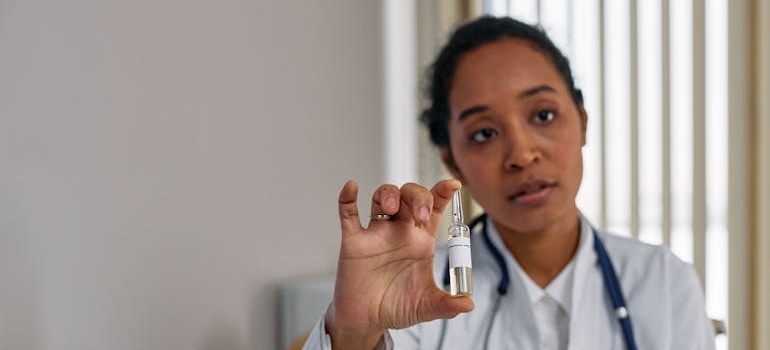
Medication management is also important for bipolar disorder to stabilize mood swings and prevent severe episodes. Some people receive help through Pennsylvania opioid treatment programs if opioid use is involved. Doctors may prescribe mood stabilizers, antidepressants, or other medications to help manage symptoms. Combining detox with medication and therapy gives people a safer and more stable start to recovery.
Therapy For Bipolar Disorder And Addiction
Therapy is one of the most important parts of recovery for both bipolar disorder and addiction. It helps people understand triggers, mood patterns, and unhealthy coping behaviors. It also teaches coping skills for stress, emotional regulation, and communication.
Cognitive behavioral therapy, group therapy, and family therapy are commonly used in treatment programs. Therapy helps people build routines, improve relationships, and manage emotions without using substances. Over time, therapy helps people feel more in control of their emotions and decisions. Consistent therapy and support can greatly improve long term stability and recovery success.
Long Term Recovery And Relapse Prevention Strategies
Recovery does not end after rehab, and long-term support is very important for staying stable and avoiding relapse. People in recovery often build new routines, coping strategies, and support systems to stay healthy and stable. Long term recovery strategies often include:
- Support groups: Attending meetings for support and accountability.
- Healthy routines: Keeping regular sleep, meals, and daily structure.
- Therapy visits: Continuing therapy to manage stress and mood changes.
- Trigger awareness: Learning triggers and planning how to respond safely.
- Support network: Staying connected with supportive friends and family.
Real Help Is Available When You Are Ready
Self-medication for bipolar disorder may feel like a way to cope, but it often makes mood swings stronger and recovery harder. Alcohol or drugs can increase depression, trigger mania, and create dependence over time. You may feel stuck, but help is available and real treatment can make life more stable. Therapy, medication, and support can help you manage mood changes in safer ways. Recovery does not happen overnight, yet small steps can lead to real change. Reaching out is often the first step toward feeling better and gaining control again.
Frequently Asked Questions
Can you self-medicate bipolar?
Many people try to manage bipolar symptoms with alcohol or drugs, but this usually makes mood swings worse. Self-medicating can increase depression, trigger mania, and lead to addiction. Proper treatment with therapy and medication is much safer and more effective.
Why do people with bipolar disorder self-medicate?
Some people try to numb depression, calm anxiety, sleep better, or slow down racing thoughts during mania. Alcohol or drugs may seem to help at first, but symptoms often return stronger and more difficult to manage.
What is the best treatment instead of self-medicating bipolar disorder?
The best treatment usually includes mood stabilizing medication, therapy, healthy routines, and support. Professional treatment helps control mood swings, reduce relapse risk, and improve daily life stability.
Admissions
Family Programs
“5-star treatment
experience”
Every element of this treatment experience is 5-star: one-on-one counseling, group therapy, Adventure Trek, lodging, amenities, food, staff. Inpatient and outpatient services are the best you’ll find anywhere. Staff truly care for each individual and want to see them succeed in their recovery. A very special place. Love LC from the bottom of my heart
Meg Boyle |


Take the First Step Towards a Healthier Life
Begin Today