 570-630-9354
Performance Pressure and Substance Use: Coping Mechanisms for Athletes
Begin Today
Performance pressure and substance use are connected when athletes turn to drugs or alcohol to manage stress, pain, expectations, or fear of failure. Healthy coping skills, support systems, and treatment can help athletes protect both performance and recovery.
Jump to Section
Athletes are often praised for pushing through pain, stress, and fear, but that pressure can become heavy fast. For some athletes, alcohol, drugs, or misused prescriptions may seem like a way to relax, sleep, handle pain, or quiet anxiety. That is where performance pressure and substance use can become closely connected. The problem is that short-term relief can lead to bigger health, mental, and recovery challenges. You do not have to wait until things fall apart to ask for help. Healthier coping skills, honest support, and treatment can help athletes protect their bodies, minds, and future.
How Performance Pressure Increases Substance Use Risk
Athletes often carry pressure from coaches, parents, fans, school, and their own goals. That pressure can affect sleep, mood, pain, and confidence. When healthy support is missing, performance pressure and substance use may become linked, especially when drugs or alcohol seem like a fast way to cope.

Pressure To Win At Any Cost
Winning can feel like proof that you are strong, talented, and worth your spot. However, that mindset can make it harder to rest, speak up, or admit pain. When performance pressure and substance use overlap, the goal may shift from doing your best to surviving each practice, game, or season. Here are common ways that pressure can raise risk in athletes:
- Fear of failure: Losing may feel personal, not just competitive.
- Team expectations: Athletes may hide stress to avoid judgment.
- Coach pressure: Harsh feedback can increase shame and anxiety.
- Fan attention: Public criticism can feel hard to escape.
- Pain tolerance: Athletes may ignore injuries to keep playing.
- Quick relief: Substances may seem like an easy way to cope.
Fear Of Losing A Team Spot
A team spot can feel tied to your identity, future, and sense of control. When playing time feels uncertain, stress can build quickly. Some athletes hide injuries, anxiety, or substance use because they fear being replaced. This can make performance pressure and substance use harder to notice from the outside.
NCAA data shows that playing time is one factor that can harm student-athlete mental health. That matters because pressure rarely comes from one place. It often builds from sports, school, money, family, and future plans. Support helps you face those fears before they lead to unsafe coping.
Injury Pain And Playing Through It
Injuries can put athletes in a difficult position. You may want to heal, but you may also feel pressure to return before your body is ready. Pain medication can help after an injury, but it can also become risky when used to keep competing.
The NCAA reported that 6% of student-athletes used narcotic pain medication with a prescription in the previous year, down from 18% in 2013. Still, the link between chronic pain and addiction matters in sports. Ryan Leaf and Ken Rideout have both shared stories showing how injury, opioids, shame, and recovery can connect.

Academic And Career Expectations
Student-athletes often carry more than sports pressure. Classes, scholarships, career goals, financial worries, and family expectations can all pile up. NCAA research found that academics were the top factor hurting student-athlete mental health, followed by planning for the future, money, playing time, and family concerns.
This is where sports performance pressure can become even harder to manage. Some students may misuse stimulants to stay awake or focus, including cases of Adderall abuse among college students. That choice can feel practical at first, but it may increase anxiety, sleep problems, and dependence over time.
Common Substances Athletes May Use To Cope
Substances can become part of an athlete’s routine before the problem feels serious. Some use alcohol after losses, cannabis for sleep, stimulants for focus, or painkillers after injuries. NCAA data found that 71.7% of student-athletes used alcohol, 25.9% used cannabis, and 22.1% used vapes or e-cigarettes.
Alcohol After Games Or Losses
Alcohol is common in many sports settings, especially after wins, losses, or stressful events. NCAA data showed that binge drinking among student-athletes dropped from 55% in 2009 to 35% in 2023. That decrease is positive, but alcohol misuse still matters.
For some athletes, drinking becomes a way to quiet disappointment, relax after pressure, or feel included socially. This is one reason performance pressure and substance use should not be dismissed as normal team culture. If alcohol starts affecting mood, school, training, or relationships, alcohol rehab in Pennsylvania may be part of the support someone needs.
Prescription Painkillers After Injuries
Prescription painkillers can be necessary after surgery or serious injury, but they require careful use. Athletes may face extra risk because returning to play can feel urgent. If medication becomes a way to push through pain, avoid withdrawal, or manage emotions, support is important.
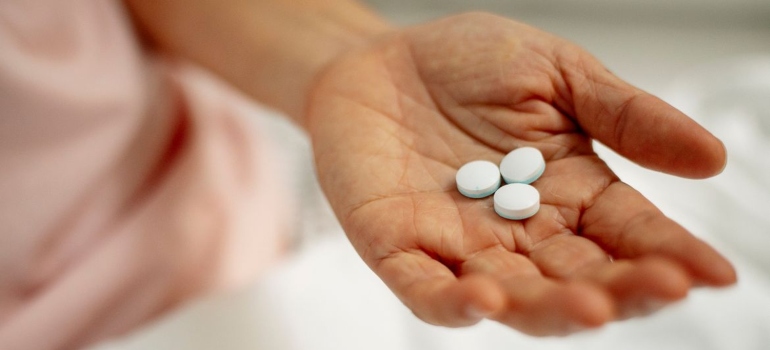
Performance pressure and substance abuse can begin quietly when a legal prescription becomes tied to identity, fear, and pain. Ken Rideout has shared that his opioid addiction began after he received Percocet for an ankle injury. Prescription drug addiction treatment can help athletes address pain, dependence, and the pressure to keep performing.
Stimulants For Energy And Focus
Stimulants may seem useful when you are tired, overwhelmed, or trying to balance school and sports. However, misuse can affect sleep, mood, heart health, and mental focus. Athletes and substance use can become connected when energy, confidence, or control feels impossible without help from a pill. Here are common risks to know:
- Extra energy
- Better focus
- Sleep loss
- Heart strain
- Mood swings
- Dependence risk
Cannabis For Stress Or Sleep
Some athletes use cannabis to relax, sleep, or manage stress after training. NCAA data found that 25.9% of student-athletes used marijuana or cannabis in the past year. While some may see it as less harmful than other substances, it can still affect motivation, mood, memory, reaction time, and mental health for some people.
Substance use among athletes is not always about partying. Sometimes it starts with stress relief. If cannabis use becomes hard to control or starts affecting daily life, a marijuana rehab center can help someone build safer coping skills and support long-term recovery.
When Athletes Need Rehab And Professional Support
Rehab can help when substance use becomes tied to stress, pain, anxiety, or daily performance. You do not need to lose everything before asking for support. Michael Phelps has spoken about depression, anxiety, a DUI arrest, and treatment, showing that even elite athletes may need real care.
Warning Signs Of Substance Use Disorder
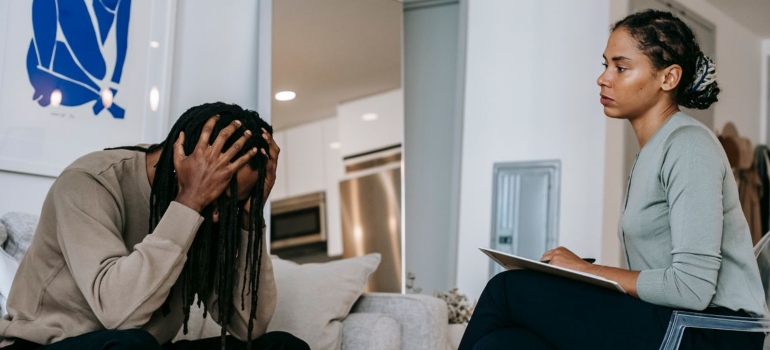
It can be hard to admit that coping has become harmful, especially when you are used to pushing through discomfort. Warning signs may include hiding substance use, needing more to feel the same effect, missing responsibilities, mood changes, risky behavior, or using despite consequences.
Drug use among athletes may also show up as poor sleep, weaker performance, more injuries, or pulling away from teammates. If these signs sound familiar, an addiction treatment center in Pennsylvania can help you understand what is happening. Getting help early can protect your health, relationships, and future in or outside sports.
Treatment For Co-Occurring Mental Health Issues
Substance use often connects with anxiety, depression, trauma, stress, or eating concerns. NCAA data found that 44% of women’s sports participants and 17% of men’s sports participants felt overwhelmed constantly or most every day. Many also reported mental exhaustion.
That is why mental health and substance use in athletes should be treated together, not separately. Dual diagnosis treatment centers Pennsylvania has can support both substance use and mental health symptoms at the same time. This matters because untreated anxiety or depression can make relapse more likely. Care should help you feel safer, clearer, and more supported.
Rehab Programs For Athletes
Athletes may worry that rehab means losing their goals, team, or future. In reality, treatment can help you rebuild structure, manage pressure, and care for your body without relying on substances. Some people need residential care, while others may benefit from outpatient support.
IOP Pennsylvania programs can help when you need treatment but also need to keep some daily responsibilities. Athletic pressure and addiction can feel isolating, but rehab gives you space to be honest. A good program should address substance use, mental health, pain, sleep, relationships, and a healthy return to routine.

Building A Recovery Plan After Treatment
Recovery needs structure after treatment ends. You may return to school, sports, work, or family life, so your plan should prepare you for real pressure. Performance pressure and substance use can return during injuries, losses, or stressful seasons if you do not have support. These steps can help you stay steady:
- Aftercare support: Keep therapy, meetings, or outpatient care in place.
- Relapse plan: Know your triggers before they grow.
- Safe pain care: Talk to doctors about non-addictive options.
- Sober routine: Build habits that support sleep and recovery.
- Trusted people: Choose teammates or family who support honesty.
- Crisis steps: Know who to call when urges feel strong.
Healthier Coping Mechanisms For Athletes
Healthy coping does not mean ignoring pressure. It means learning how to handle it without harming your body or mind. Coping with pressure in sports may include counseling, rest, stress tools, and honest conversations. Simone Biles showed this when she chose mental safety during the Tokyo Olympics.
Mental Health Counseling
Counseling gives athletes a place to talk without performing for anyone. You can discuss fear, pressure, injury, anger, shame, grief, or identity outside your sport. This can be especially helpful when performance pressure and substance use have started to overlap.
A counselor can help you notice patterns, manage cravings, and build better responses to stress. Michael Phelps has spoken openly about depression and anxiety, which helped many athletes see that support is not weakness. Therapy can also help you separate your worth from wins, losses, stats, or a coach’s opinion. That shift can protect recovery.
Rest And Recovery Planning
Rest is not laziness. It is part of staying healthy, focused, and able to perform. When athletes ignore sleep, pain, and emotional stress, they may look for quick ways to keep going. That can increase risk for alcohol, stimulants, cannabis, or pain medication misuse.
A recovery plan should include sleep, nutrition, injury care, mental breaks, and honest check-ins. Coaches and families can help by treating rest as a real part of training. If your body keeps asking for relief, listen early. A safer plan can reduce pressure before substances start feeling like the only option.

Stress Management Skills
Stress management works best when it becomes part of daily training, not something you try only during a crisis. Athletes need tools they can use before games, after losses, during injury recovery, or when cravings appear. These skills can lower risk and make pressure easier to handle:
- Breathing practice: Slow breathing can calm panic before it grows.
- Grounding skills: Simple focus tools can reduce racing thoughts.
- Sleep routine: Better rest supports mood and decision-making.
- Movement balance: Gentle movement can help during recovery days.
- Journaling: Writing can show patterns in stress and cravings.
- Support meetings: Group support can reduce shame and isolation.
Honest Communication With Coaches And Teammates
Speaking honestly can feel risky, but silence often makes pressure worse. If you are injured, overwhelmed, or worried about substance use, tell someone safe. That may be a coach, athletic trainer, therapist, doctor, parent, or teammate. You do not need to share everything with everyone, but you do need support.
Performance pressure and substance use can grow when athletes feel they must hide pain and act fine. Honest communication can lead to safer training, better medical care, and earlier treatment. It can also help teams build a culture where health matters as much as winning.
You Do Not Have To Handle Pressure Alone
Performance pressure and substance use can affect athletes in ways that are easy to hide at first. You may tell yourself it is only stress, only pain, or only something to get through the season. Still, when alcohol, drugs, or misused medication become part of coping, it is time to take that seriously. Whether you are an athlete, parent, coach, or teammate, early action matters. The right help can protect both recovery and performance.
Frequently Asked Questions
What is performance pressure and substance use in athletes?
Performance pressure and substance use happen when athletes turn to drugs or alcohol to cope with stress, pain, fear of failure, or high expectations.
Why do some athletes use substances to cope?
Some athletes use substances because they feel overwhelmed, injured, exhausted, or afraid of losing their place on a team. This can quickly become harmful.
How can athletes manage pressure in a healthier way?
Athletes can manage pressure through therapy, rest, honest communication, stress management, support groups, and treatment when substance use becomes a concern.
Admissions
Family Programs
“5-star treatment
experience”
Every element of this treatment experience is 5-star: one-on-one counseling, group therapy, Adventure Trek, lodging, amenities, food, staff. Inpatient and outpatient services are the best you’ll find anywhere. Staff truly care for each individual and want to see them succeed in their recovery. A very special place. Love LC from the bottom of my heart
Meg Boyle |


Take the First Step Towards a Healthier Life
Begin Today