 570-630-9354
Morphine Addiction: Signs and Treatment Options
Begin Today
Morphine addiction is a serious condition marked by cravings, withdrawal, and loss of control over use. Treatment may include medical detox, therapy, medication-assisted care, and long-term support to help people recover safely and prevent relapse.
Jump to Section
Morphine can help with serious pain, but it can also become hard to stop. If you or someone you love is taking more than prescribed, hiding use, feeling sick without it, or thinking about it often, morphine addiction may already be taking hold. That can feel scary, but it does not mean recovery is out of reach. The right help can make withdrawal safer, lower the risk of relapse, and give you a clear path forward. A trusted rehab center in Pennsylvania can offer medical support, therapy, and steady care during each stage of recovery. Knowing the signs and treatment options can help you act sooner and protect your health.
What Is Morphine Addiction?
Morphine is a strong opioid that can change how your body and mind respond to pain, stress, and comfort. When use becomes hard to control, daily life can start to revolve around the drug. Knowing what addiction means, how it starts, and how it differs from dependence can help you spot risk earlier and seek support before harm grows.

How Morphine Affects The Brain
Morphine works on opioid receptors in the brain and body. These receptors affect pain, pleasure, breathing, and mood. When morphine enters the system, it can create relief and calm, but it can also train the brain to want more. Morphine can change several brain and body functions at once, which is why its effects can feel strong and hard to ignore:
- Blocks pain signals, which can make serious discomfort feel easier to manage.
- Raises dopamine, a brain chemical linked to reward and repeated use.
- Slows breathing, especially at high doses or with other depressants.
- May cause drowsiness, confusion, nausea, and poor focus.
- Can make normal stress feel harder to handle without the drug.
Why Morphine Can Become Addictive
Morphine can become addictive because it changes how the brain connects relief with the drug. At first, you may take it for pain and feel in control. Over time, your brain may start to expect that same comfort again and again. Tolerance can build, so the same dose may not feel as strong.
This can lead to higher doses or more frequent use, even when problems begin. Stress, trauma, injury, and easy access can raise the risk. So can using morphine in ways a doctor did not prescribe. If stopping feels impossible, a drug rehab center Pennsylvania patients can trust may help with safe care, structure, and support. Getting help early can lower risk and make recovery feel more possible each day.
Morphine Dependence Vs. Morphine Addiction
Morphine dependence means your body has adjusted to the drug. If use stops suddenly, withdrawal symptoms can happen. That does not always mean you have morphine addiction. Addiction to morphine involves loss of control, cravings, and continued use even when the drug causes harm. This difference matters because it affects the type of help you may need.
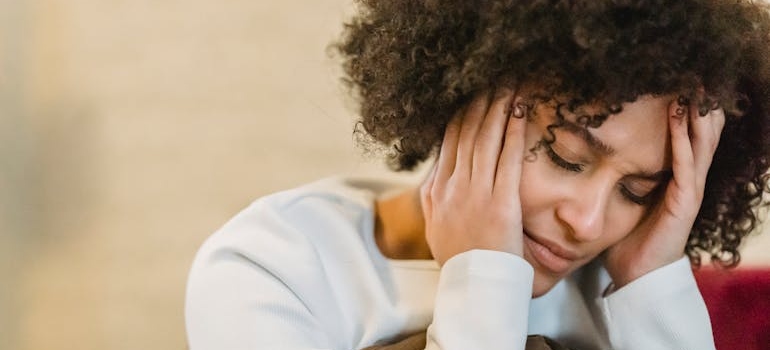
Someone with dependence may need medical support to taper safely. Someone with addiction may also need therapy, relapse planning, and long-term recovery care. A provider offering medication assisted treatment Pennsylvania patients can access may use approved medicines with counseling to reduce cravings and support stability. The goal is not judgment. The goal is care that fits what your body and mind need.
Signs And Symptoms Of Morphine Addiction
Morphine can affect your body, choices, mood, and daily routine before you fully notice the pattern. Some changes may seem small at first, but they can grow quickly. Knowing the most common morphine addiction signs can help you take action with less fear and more clarity, especially if you already feel something is wrong with your use.
Physical Signs Of Morphine Misuse
Physical changes can show up when the body reacts to too much morphine, repeated use, or withdrawal between doses. These signs may not prove addiction alone, but they should be taken seriously when they happen often or worsen over time:
- Pinpoint pupils that stay small even in low light.
- Unusual sleepiness, nodding off, or trouble staying awake.
- Slowed breathing, shallow breaths, or heavy snoring.
- Nausea, vomiting, constipation, or loss of appetite.
- Itching, sweating, dry mouth, or flushed skin.
- Poor coordination, dizziness, or frequent falls.
- Track marks, missing pills, or running out early.
Behavioral Changes To Watch For
Behavioral changes can be easier to dismiss because they may look like stress, pain, or a rough week. Still, patterns matter. You may notice missed work, skipped plans, secretive habits, or sudden money problems. Someone may visit more than one doctor, ask for early refills, or become upset when medication is questioned.

Mood can shift fast, especially when the next dose is delayed. You may also see less interest in family, hobbies, hygiene, or responsibilities that once mattered. These morphine addiction symptoms often grow as the drug takes more space in daily life. Try not to wait for a crisis before speaking up. Calm support, honest concern, and professional help can make the next step feel safer.
Morphine Withdrawal Symptoms
Withdrawal can happen when the body has become used to morphine and the dose drops or stops. Symptoms may include sweating, chills, anxiety, muscle aches, stomach cramps, nausea, diarrhea, and trouble sleeping. You may also feel restless, angry, sad, or unable to sit still. Cravings can feel strong during this stage, which raises the risk of using again just to feel normal.
Medical support can make withdrawal safer and easier to manage. Doctors may use comfort medicines, careful monitoring, and longer treatment planning to lower relapse risk. If cost worries you, ask whether Aetna rehab coverage can help with detox, therapy, or ongoing care. You deserve support that protects your health while you recover.
Morphine Addiction Treatment And Rehab Options
Treatment can feel hard to start, especially when withdrawal, fear, or shame are already heavy. Still, the right plan can make recovery safer and more steady. Care often begins with medical support, then moves into therapy, structure, and relapse prevention. These options can help you stop using, understand triggers, rebuild your health, and feel less alone with support.
Medical Detox For Morphine Withdrawal
Medical detox helps your body clear morphine while trained staff watch your symptoms and safety. Withdrawal can feel intense, and it may bring sweating, nausea, shaking, pain, anxiety, and strong cravings. Trying to quit alone can feel overwhelming, especially if you have used morphine often or in high doses.
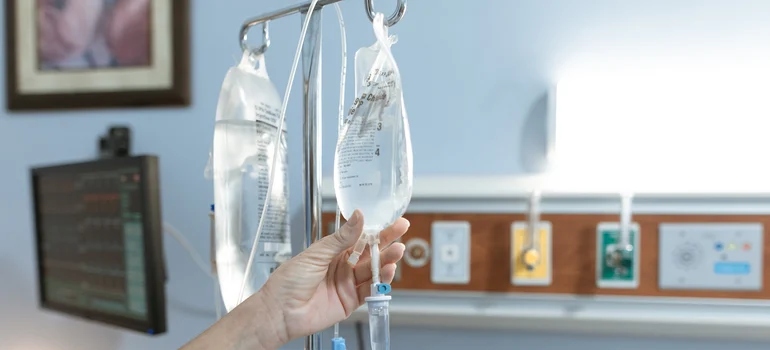
A medical team can help ease symptoms, monitor your health, and lower the risk of relapse during the hardest first days. Detox centers in Pennsylvania may also help you move into the next level of care after your body starts to stabilize. Detox does not solve every part of addiction, but it can give you a safer starting point. From there, therapy and rehab can help you work on triggers, habits, and long-term recovery.
Inpatient Rehab And Residential Treatment
Inpatient care gives you time away from triggers while you build stronger recovery habits. At inpatient drug rehab centers in Pennsylvania, you can receive daily support, therapy, and structure that help you focus on healing. A structured rehab setting can give you steady care, fewer triggers, and practical tools for daily recovery:
- A steady routine can reduce stress and make each day feel more manageable.
- Therapy helps you talk through pain, grief, trauma, or fear without using.
- Group support reminds you that other people face similar struggles.
- Staff help you plan for cravings, risky places, and hard emotions.
- Family sessions may repair trust and improve communication.
- Residential care can give you space to recover before returning home.
Therapy, Medication, And Long-Term Recovery Support
Long-term recovery works best when treatment looks at more than the drug itself. Therapy can help you see what led to use, what keeps cravings strong, and what needs to change at home. Counseling may include one-on-one sessions, group therapy, family work, and relapse planning. Some people also benefit from approved medicines that reduce cravings or block opioid effects.
These tools do not replace effort, but they can make recovery more stable. Support should continue after rehab because early recovery can bring stress, sleep problems, and strong emotions. Ask about aftercare, peer groups, sober housing, and check-ins before leaving treatment. If insurance is a concern, anthem rehab coverage may help pay for detox, therapy, or residential care. You deserve help that stays with you after the first hard step.

Health Risks Of Untreated Morphine Addiction
Leaving morphine misuse untreated can put your body, mind, and relationships under growing pressure. The risks often build slowly, which makes them easy to ignore until they become urgent. Higher doses, breathing problems, mood changes, and damaged trust can all develop. These concerns are serious, but support can help you lower harm and choose safer steps forward.
Increased Tolerance And Higher Doses
Tolerance can make morphine feel less effective over time, so you may feel pushed to take more to get the same relief or calm. This can happen even when the original use started with a prescription. The difference between tolerance, dependence and addiction matters because each one points to a different kind of risk.
Tolerance means your body needs more of the drug for the same effect. Dependence means your body reacts when the drug is reduced or stopped. Addiction means you keep using despite harm, cravings, or loss of control. When doses rise, overdose risk rises too. You may also face more side effects, worse withdrawal, and stronger fear around stopping. Medical care can help you taper safely and plan treatment.
Overdose And Breathing Problems
Morphine can slow breathing, and that risk grows with high doses, alcohol, sedatives, or mixed drug use. An overdose can happen fast, even when someone has used opioids before. Call emergency help right away if you notice these warning signs:
- Very slow, weak, or stopped breathing.
- Blue, gray, or pale lips and fingertips.
- Loud snoring, choking sounds, or gurgling.
- Limp body, extreme sleepiness, or no response.
- Cold, clammy skin and a weak pulse.
- Vomiting while unconscious or unable to wake.
- Pinpoint pupils with confusion or collapse.

Mental Health And Relationship Strain
Morphine use can affect more than your body. It can change how you handle stress, anger, fear, and sadness. You may pull away from people, hide what is happening, or feel ashamed when someone asks questions. Over time, trust can break down at home, at work, or with friends. Anxiety and depression may also get worse, especially when cravings or withdrawal take over your day.
This does not mean you are a bad person. It means you need support that treats the whole problem, not just the drug use. Therapy can help you rebuild honesty, repair routines, and manage hard feelings without returning to morphine. With steady help, you can protect your health and reconnect with people who care about you.
Find Safe Support For Morphine Addiction
Morphine addiction can take over quietly, but it does not have to control what happens next. If you notice cravings, withdrawal, secrecy, or fear around stopping, take those signs seriously. Asking for help is not a failure. It is a step toward getting safe care and feeling more in control again. Treatment can help you manage withdrawal, understand what led to use, and build habits that support real recovery. You do not need to figure it out alone or wait until things get worse. With the right support, healing can start sooner than you think. Reaching out today could protect your health, your relationships, and your future.
Frequently Asked Questions
How addictive is morphine?
Morphine is highly addictive because it affects the brain’s reward system and can quickly lead to physical dependence. Even when prescribed for pain relief, long-term or improper use may increase the risk of morphine addiction and withdrawal symptoms.
What does morphine do to a normal person?
Morphine can cause relaxation, pain relief, drowsiness, and feelings of euphoria in a person without opioid tolerance. Higher doses may slow breathing, impair judgment, and increase the risk of overdose or dangerous side effects.
What are the common signs of morphine addiction?
Common signs of morphine addiction include intense cravings, mood changes, withdrawal symptoms, increased tolerance, neglecting responsibilities, and continuing to use the drug despite negative physical, emotional, or social consequences.
Can morphine addiction be treated successfully?
Yes, morphine addiction can be treated successfully with a combination of medical detox, behavioral therapy, counseling, medication-assisted treatment, and long-term support programs designed to reduce relapse risk and support recovery.
Admissions
Family Programs
“5-star treatment
experience”
Every element of this treatment experience is 5-star: one-on-one counseling, group therapy, Adventure Trek, lodging, amenities, food, staff. Inpatient and outpatient services are the best you’ll find anywhere. Staff truly care for each individual and want to see them succeed in their recovery. A very special place. Love LC from the bottom of my heart
Meg Boyle |


Take the First Step Towards a Healthier Life
Begin Today