 570-630-9354
How Outdoor Experiences Strengthen Sobriety
Begin Today
Jump to Section
Addiction recovery requires more than abstaining from substances — it requires reconnecting with oneself, developing resilience, and rediscovering meaning. At Little Creek Lodge, the natural world is an essential part of that process. Outdoor experiences are not simply recreational; they are therapeutic, designed to engage the body, mind, and spirit in ways that support long-term sobriety.
For many men, addiction narrowed their world until it revolved entirely around substance use. Nature reopens it. Whether hiking wooded trails, fishing at sunrise, or working together on outdoor projects, residents begin to experience a different kind of stillness and strength — one that cannot be manufactured, only earned through effort and presence.
This article explores how outdoor experiences foster recovery by promoting mindfulness, resilience, social connection, and personal growth — and why they are a cornerstone of the therapeutic philosophy at Little Creek Lodge.
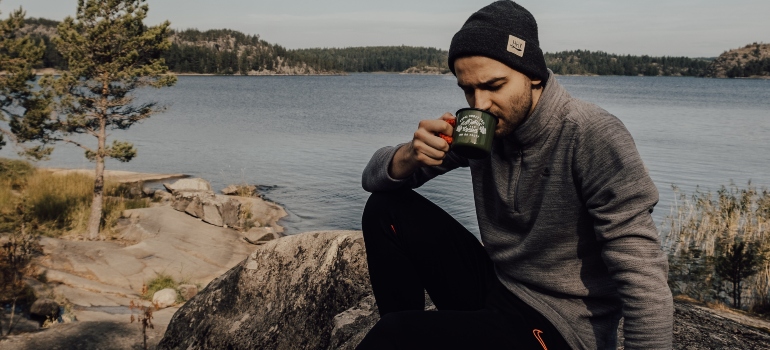
The Restorative Power of Nature
Modern research consistently supports what many people in recovery experience intuitively: nature heals. Exposure to natural environments reduces stress hormones, lowers blood pressure, improves mood, and enhances cognitive clarity. For men in early recovery, who may struggle with anxiety, insomnia, and dysregulation after detoxification, this physiological reset can be profound.
Time outdoors allows the nervous system to recalibrate. The natural rhythm of movement, sunlight, and fresh air stimulates endorphins and reestablishes healthy sleep cycles. The environment itself becomes a form of therapy — not as an escape, but as a return to balance.
At Little Creek, this restorative principle is built into programming. Residents spend significant time outside, engaging in activities that challenge them physically and ground them mentally. These experiences help men rediscover the connection between effort and reward — a connection addiction once severed.
Mindfulness in Motion
Recovery demands the ability to stay present — to experience emotions, thoughts, and sensations without immediately seeking to escape them. This practice, known as mindfulness, is difficult to achieve in clinical settings alone. The outdoors provides a natural and accessible gateway.
Hiking, kayaking, or even tending to the landscape around the lodge encourages mindfulness through movement. Men learn to focus on each step, each breath, each sound of the forest. In these moments, they are not defined by their past or consumed by the future; they are anchored in the present.
Clinically, mindfulness reduces cravings, enhances emotional regulation, and decreases impulsivity — all crucial components of relapse prevention. In nature, mindfulness becomes tangible: the repetition of walking a trail mirrors the repetition of daily recovery, one step at a time.
Facing Challenge: Building Resilience and Self-Efficacy
Addiction thrives in avoidance. Outdoor experiences teach the opposite — perseverance. Physical challenges like climbing a steep incline or completing a long hike evoke discomfort, but they also produce measurable accomplishment.
For men who have doubted their capabilities, these achievements rebuild confidence from the ground up. The process is simple yet profound: set a goal, work through fatigue or frustration, and reach the destination. Each success provides evidence that persistence, not perfection, creates growth.
This is resilience in practice. It is also the foundation of self-efficacy — the belief that one can influence outcomes through effort. Research shows that individuals with higher self-efficacy experience lower relapse rates because they trust themselves to handle stress and temptation. Outdoor experiences, by repeatedly proving that “I can do hard things,” transform abstract therapeutic lessons into lived reality.
Connection and Cooperation through Outdoor Experiences
At Little Creek Lodge, recovery is a community process. Outdoor activities naturally foster teamwork and trust, providing opportunities for men to learn interdependence in a safe environment.
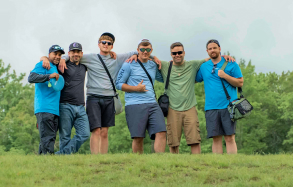
In group hikes, canoe trips, or outdoor service projects, residents must communicate, plan, and support one another. Each man learns the importance of reliability — that his effort affects others. These shared tasks build social responsibility, a skill often lost during addiction.
The sense of brotherhood that develops outdoors complements clinical therapy inside. It teaches emotional awareness through practical experience. When one resident struggles during a climb and another offers encouragement, both grow: one learns humility, the other empathy.
This mutual support reinforces the social model of recovery — the understanding that healing happens through connection, not isolation.
Nature as a Mirror for Recovery
The natural world reflects the process of recovery in striking ways. The patience required to reach a summit mirrors the patience needed for emotional growth. The unpredictability of weather mirrors the unpredictability of cravings or mood. Nature teaches adaptability — to prepare, adjust, and keep moving forward regardless of conditions.
Many residents describe moments of personal insight during outdoor experiences. The quiet of a forest or the rhythm of paddling across still water often brings clarity that words alone cannot. The outdoors offers a space for reflection where individuals can process grief, guilt, and hope away from the distractions of everyday life.
This reflective quality makes nature an ideal companion to traditional therapeutic approaches. Where group sessions analyze behavior, time outdoors allows the mind to integrate those insights somatically — through experience rather than intellect.
Physical Wellness and Mental Stability
Substance use disorders often leave the body depleted and disconnected from healthy routines. Physical activity is not only beneficial for physical rehabilitation but also crucial for emotional stability. Exercise increases dopamine and serotonin levels, restoring natural mood balance that substances once artificially supplied.
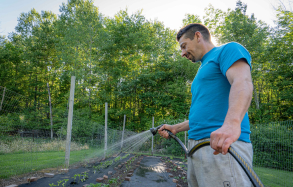
Outdoor movement — hiking, stretching, fishing, or working on maintenance projects — reinvigorates energy and promotes long-term wellness habits. Unlike gym-based exercise, outdoor activity integrates purpose with physical exertion. It links effort to real-world outcomes — a cleared trail, a maintained garden, a completed group hike — fostering a sense of accomplishment that carries therapeutic weight.
This physical vitality strengthens sobriety. When men feel stronger and more capable in their bodies, they are better equipped to manage stress, regulate emotion, and sustain recovery.
Spiritual Connection and Perspective
Spirituality in recovery is often misunderstood as purely religious. At Little Creek Lodge, it’s understood more broadly — as connection to something larger than oneself. The outdoors provides a direct experience of that connection.
Standing beneath a vast sky or walking through a quiet forest instills humility and gratitude. It reminds men that life continues beyond personal struggle — that they are part of something enduring and good. This awareness fosters a sense of belonging that many in addiction have long lost.
Spiritual connection in nature also supports acceptance, a key principle in recovery. In the natural world, imperfection is normal — branches break, storms pass, and yet growth continues. Recognizing this pattern helps men internalize that recovery, too, is not linear. There will be setbacks, but progress endures when rooted in patience and faith.
Outdoor Therapy as a Clinical Practice
The inclusion of outdoor experiences at Little Creek Lodge is not incidental; it’s grounded in evidence-based therapeutic design. The approach integrates elements of experiential therapy, adventure-based counseling, and behavioral activation.
-
Experiential Therapy uses activity and reflection to process emotion. When men engage in outdoor challenges, they confront internal patterns — fear of failure, avoidance, competitiveness — and explore them safely within the group dynamic.
-
Adventure-Based Counseling builds teamwork, problem-solving, and leadership through shared outdoor tasks. These lessons generalize directly to family, work, and community life.
-
Behavioral Activation, rooted in cognitive-behavioral therapy, encourages action to counter depressive withdrawal. Outdoor participation creates momentum, re-engaging motivation and pleasure in sober activities.
Together, these frameworks ensure that time spent outdoors is therapeutic, intentional, and clinically relevant.
Extending Lessons Beyond the Lodge
The goal of outdoor experiences at Little Creek is not merely to create memorable moments but to develop transferable skills for lifelong recovery. The patience learned on a trail becomes the patience needed in a relationship. The teamwork required during a group hike becomes the cooperation required in employment. The sense of accomplishment from reaching a summit becomes confidence in facing future challenges.
Many alumni continue to integrate nature into their post-treatment lives. They hike, fish, garden, or simply spend time outdoors as part of their wellness routine. These habits serve as natural relapse-prevention tools — providing healthy outlets for stress and opportunities for mindfulness.
The outdoors also becomes a place of gratitude. For men who once used substances to escape, being present in nature represents freedom — the ability to participate in life without needing to numb it.
A Broader Understanding of Healing and Outdoor Experiences
Outdoor experiences remind us that recovery is not confined to therapy sessions or treatment plans. Healing is experiential, relational, and deeply connected to the world we live in.
In nature, men rediscover autonomy and accountability. They see tangible proof that effort leads to progress. They experience, perhaps for the first time in years, that life can be peaceful without being stagnant — that challenge and serenity can coexist.
These lessons extend far beyond sobriety; they shape the foundation for a fulfilling, sustainable life.
Sobriety is not simply the absence of substance use — it’s the presence of strength, awareness, and connection. The outdoors provides all three. Through movement, reflection, and cooperation, men at Little Creek Lodge rebuild not only their physical stamina but also their confidence, purpose, and peace of mind.
Outdoor experiences teach what addiction forgets: that discomfort is survivable, that connection is healing, and that growth happens slowly but surely when nurtured by patience and perseverance.
At Little Creek, the path to recovery often begins on a trail — one step, one breath, one sunrise at a time — until men realize they were never just learning to stay sober; they were learning to live again.
Admissions
Family Programs
“5-star treatment
experience”
Every element of this treatment experience is 5-star: one-on-one counseling, group therapy, Adventure Trek, lodging, amenities, food, staff. Inpatient and outpatient services are the best you’ll find anywhere. Staff truly care for each individual and want to see them succeed in their recovery. A very special place. Love LC from the bottom of my heart
Meg Boyle |


Take the First Step Towards a Healthier Life
Begin Today