 570-630-9354
How Long Do Prescription Painkillers Stay in Your System? Detection Times by Drug
Begin Today
Prescription opioid painkillers can remain detectable after their effects wear off. Detection times vary by medication, dose, frequency of use, individual health factors, and test type. Understanding how oxycodone, hydrocodone, morphine, codeine, tramadol, and other prescriptions are detected can help patients know what to expect.
Jump to Section
Over 16,700 people in the U.S. died from prescription opioid overdoses in 2021 alone. If you’re taking painkillers, even as prescribed, it’s normal to wonder: how long do prescription painkillers stay in your system? This question isn’t just about passing a drug test. It’s about safety, health, and knowing when to ask for help. If you’re feeling unsure about your use or worried about withdrawal, you’re not alone. Here, we’re focusing specifically on prescription opioid painkillers such as oxycodone, hydrocodone, morphine, codeine, tramadol, and methadone rather than every type of medication prescribed for pain. Our Pennsylvania rehab center can help you understand your options and take the next step toward recovery.
What Affects How Long Painkillers Stay in Your System?
Many people ask how long do prescription painkillers stay in your system, but the answer isn’t simple. Different factors change how fast your body processes these drugs. Some painkillers stay longer than others, even if the dose is the same. Your health, habits, and drug type all play a part. It’s important to know what affects this because it can impact drug tests and your health. Let’s break it down clearly.
Drug Type and Strength
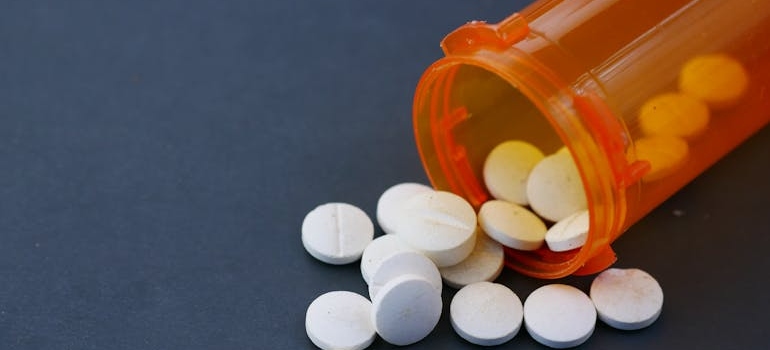
The type of painkiller you take makes a huge difference. Opioids like oxycodone stay in your body longer than over-the-counter drugs. Stronger doses also take more time to leave your system. This is a big reason why is prescription drug abuse on the rise across the country. People don’t realize how long do prescription painkillers stay in your system and take more before it’s safe. Always check with your doctor to avoid problems.
Dosage and Frequency of Use
How much and how often you take painkillers changes everything. A one-time dose might clear fast, but regular use builds up. Many people ask how long do prescription painkillers stay in your system after daily use. The answer? It can be several days or more. This matters for tests too. You might wonder how long will you test positive for pain pills after stopping. The truth is, even small amounts can show up longer than you expect.
How Your Body Processes the Medication
The specific prescription opioid matters because these drugs are not all processed identically. For example, oxycodone is metabolized primarily in the liver to noroxycodone, with smaller amounts converted to oxymorphone. Hydrocodone is primarily metabolized to norhydrocodone and can also form hydromorphone.
The drugs and their metabolites are then eliminated largely through the kidneys. Because these pathways differ by medication, liver or kidney impairment, drug interactions, dose, and frequency of use can affect clearance and detection times.

Other Key Factors to Know
Other factors can change how long painkillers stay in your system. People with liver or kidney disease clear drugs much slower. For example, someone with liver damage might test positive twice as long as a healthy person. Body fat also matters—opioids can build up in fat tissue and release slowly.
Mixing drugs like benzodiazepines with painkillers can also increase detection times. Even age plays a role; older adults process drugs slower than younger people. Hydration, diet, and overall health have smaller effects. All of these combined explain why how long do prescription painkillers stay in your system varies so much between people.
Effects, Elimination, and Drug Detection Are Different Timelines
When asking how long prescription painkillers stay in your system, it helps to separate three different timelines:
- How long the effects last: How long you feel pain relief, drowsiness, or other noticeable effects.
- How long the drug remains in the body: How long your body takes to metabolize and eliminate the medication and its metabolites.
- How long a drug test can detect it: How long the drug or its metabolites remain above the testing laboratory’s detection cutoff.
These timelines are not the same. You may stop feeling the effects of an opioid hours before a urine test can no longer detect the medication or its metabolites.
Why Half-Life Is Not the Same as Detection Time
A drug’s half-life is the amount of time it takes for its concentration in the body to decrease by half. It can help explain how long a medication remains active, but it does not tell you exactly when a drug test will become negative. Prescription opioids may be metabolized into other compounds that remain detectable after the original drug’s effects have worn off.
Testing methods may look for the medication itself, its metabolites, or both. Detection also depends on the dose, frequency of use, time since the last dose, specimen type, and laboratory cutoff. Because of these variables, half-life is useful for understanding drug elimination, but it should not be treated as a guaranteed detection window.
Common Prescription Painkillers and Their Detection Windows
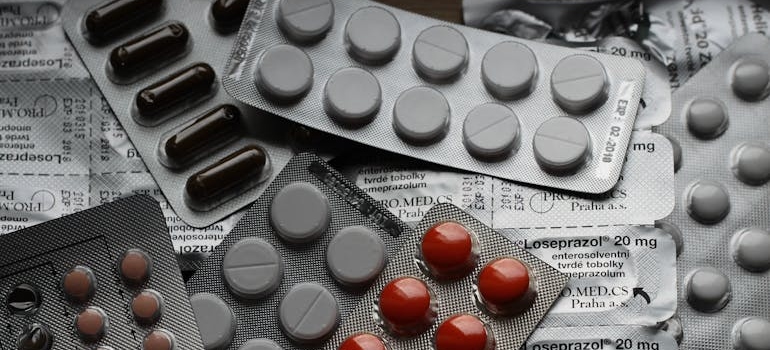
It’s smart to know how long different painkillers can stay in your system. Each type works differently, so detection times vary. Even if you take them as prescribed, the drug can show up on tests for days or weeks. Many people ask about this when they are starting recovery at places like a Newburgh rehab center. Tests look for the drug itself or its byproducts. Knowing these timelines can help you plan or spot a problem early. Here’s a simple breakdown of common painkillers and how long they stick around:
- Oxycodone: About 1–3 days
- Hydrocodone: About 1–3 days
- Morphine: About 1–3 days
- Codeine: About 1–3 days
- Tramadol: About 1–4 days
- Methadone: About 1–14 days
Types of Drug Tests and Detection Times
The type of drug test matters, but there is no single detection window that applies to every prescription opioid.
- Urine testing generally provides a longer detection window than blood testing and is commonly used to identify opioid drugs or their metabolites. The exact window depends on which opioid is being tested for and the laboratory cutoff.
- Blood testing is more useful for identifying relatively recent exposure and measuring drug concentrations, but detection times should be considered drug-specific rather than described with one timeframe for all prescription painkillers.
- Oral fluid testing generally reflects a more recent period of exposure than urine. Again, the window depends on the opioid, analyte, collection method, and laboratory cutoff, so a universal “24-hour” rule should not be used.
- Hair testing can provide information about past drug exposure over a longer period, but it should not be presented as a precise way to determine when a particular opioid was last taken.
When to Seek Help for Prescription Drug Dependence
Sometimes it’s hard to tell when use turns into dependence. If you find yourself taking more pills than prescribed or feeling anxious without them, it’s a sign to act. Ignoring it can lead to bigger problems down the line. Treatment can help you stop before things get worse. Many people hesitate, but prescription drug addiction treatment is available and works.
Don’t wait until you hit rock bottom. The earlier you get help, the easier recovery can be. Support is out there, and you are not alone. Talk to your doctor, a counselor, or reach out to a trusted rehab center. Even one honest conversation can make a difference. Trust your gut if you feel something is off. Acting now can save you a lot of pain later. You deserve to feel strong and healthy again.
Treatment Options for Prescription Painkiller Addiction
If you’re struggling with painkiller use, help is available. Many people ask how long do prescription painkillers stay in your system because they feel stuck and want out. Treatment makes a big difference, and you don’t have to do this alone. Let’s look at a few options that can help you move forward and stay strong:
- Outpatient programs let you live at home and still get help. One useful tool is a CBT treatment plan for substance abuse, which helps you change habits and thinking patterns. Outpatient care is great if your addiction is mild or if you have work and family to manage. You visit regularly, learn coping skills, and work toward long-term recovery.
- Inpatient rehab means you stay at a center full-time. It’s the best choice for people with strong addictions or high relapse risk. You get 24/7 care, medical help, and therapy. Many wonder how to overcome prescription drug addiction, and inpatient rehab is often the answer. It also helps track how long do prescription painkillers stay in your system so you detox safely.
- Group therapy and peer support can make a huge difference. Group sessions offer support and keep you motivated. Some people join sober living houses in PA after rehab to stay on track. These places give you time to rebuild your life in a safe space.

Short-Term and Long-Term Effects on the Body
Painkillers might feel helpful at first, but prescription addiction issues in PA come with serious risks. Many people think short-term use is safe, but side effects can appear quickly. Long-term use increases those risks and can hurt your body in ways you don’t expect. It’s important to know what to watch for so you can act fast if problems start. Here’s what happens in the short term and long term.
Short-term:
- Drowsiness
- Nausea
- Slowed breathing
- Confusion
Long-term:
- Liver damage
- Kidney problems
- Heart issues
- Addiction
How to Clear Prescription Painkillers Safely
Many people want to clear painkillers out of their system quickly, but safety matters most. Don’t try risky tricks like flushing your system with tons of water or extreme diets. Detoxing too fast or without help can be dangerous. Always check with a doctor or clinic first. A medical team can help you clear the drugs in a safe way while watching for withdrawal. Here are a few simple tips to get you started safely:
- Medical detox: Safest option with doctor support.
- Hydrate: Drink water but don’t overdo it.
- Eat balanced meals: Helps your body heal.
- Rest: Sleep gives your body time to recover.
- Avoid alcohol: It stresses your system more.
- Follow doctor’s advice: Never stop medication without guidance.

What to Do Next if You’re Worried About Painkiller Use
It’s smart to ask how long do prescription painkillers stay in your system. The answer depends on many things, like the drug type and your health. But if you’re worried about more than just timing—if you feel stuck or scared about your use—it might be time to act. Painkillers are strong, and misuse can happen fast. You don’t have to figure it out alone. Support and treatment can make a big difference. Talking to a doctor or a counselor is a great first step. Even if you’ve tried before, it’s worth trying again. Help is always within reach. Stay informed, ask questions, and don’t wait too long if you feel something isn’t right. Your health and safety matter most.
Frequently Asked Questions
How long do prescription painkillers stay in your system?
For prescription opioid painkillers, there is no single detection time. Many commonly prescribed opioids remain detectable in urine for about 1–4 days: codeine 1–3 days, hydrocodone 1–3 days, oxycodone 1–3 days, hydromorphone 1–4 days, and tramadol 1–4 days. Methadone is an important exception and may be detectable for 1–14 days. These are estimates, not guarantees, because dose, metabolism, health, and the test used can change the window.
How long does oxycodone stay in your system?
Immediate-release oxycodone has an elimination half-life of approximately 3.5–4 hours, although being “eliminated” is different from being undetectable on a drug test. ARUP Laboratories estimates that oxycodone and its metabolites can generally be detected in urine for about 1–3 days. FDA labeling also notes that oxycodone is metabolized into compounds including noroxycodone and oxymorphone, which may be measured during testing. Formulation, dose, repeated use, kidney or liver function, and test sensitivity can change the result.
How long does hydrocodone stay in your system?
Hydrocodone has a relatively short plasma half-life. FDA labeling for immediate-release hydrocodone/acetaminophen reports a half-life of approximately 3.8 hours after a 10 mg hydrocodone dose. However, drug testing can detect hydrocodone or its metabolites well after the noticeable pain-relieving effects have faded. ARUP estimates a 1–3 day urine detection window for hydrocodone. Results vary according to the dose, frequency of use, individual metabolism, kidney and liver function, and the laboratory’s detection cutoff.
How long can prescription opioids be detected in urine?
For many prescription opioids, urine testing can detect recent use for roughly 1–4 days, but the exact range depends heavily on the medication. ARUP lists oxycodone, hydrocodone, codeine, morphine, and oxymorphone at about 1–3 days, hydromorphone and tramadol at up to 4 days, fentanyl at 1–7 days, and methadone at 1–14 days. Test cutoff concentrations and individual drug metabolism also matter, so these ranges should be treated as estimates rather than guaranteed timelines.
Can prescription painkillers show up on a drug test?
Yes. Prescription opioids can appear on urine drug tests, but the test must be capable of detecting the specific medication. This is especially important with oxycodone and hydrocodone. CDC guidance notes that traditional opiate immunoassays primarily target natural opiates such as morphine and codeine and may miss semisynthetic opioids. CMS likewise notes that oxycodone and oxymorphone are not typically detected by a standard 300 ng/mL opiate immunoassay. More specific testing can identify individual opioids and their metabolites.
Can you get painkillers out of your system faster?
There is no reliable home method that substantially speeds the elimination of prescription opioids. Their clearance is mainly determined by the drug’s half-life, metabolism, and excretion, not by drinking excessive water, exercising, eating certain foods, or using “detox” products. For example, oxycodone is metabolized primarily in the liver and its metabolites are excreted largely through the kidneys. Drinking water may dilute urine, but it does not make the body metabolize oxycodone faster. Never abruptly stop regularly used opioids without medical guidance.
Admissions
Family Programs
“5-star treatment
experience”
Every element of this treatment experience is 5-star: one-on-one counseling, group therapy, Adventure Trek, lodging, amenities, food, staff. Inpatient and outpatient services are the best you’ll find anywhere. Staff truly care for each individual and want to see them succeed in their recovery. A very special place. Love LC from the bottom of my heart
Meg Boyle |


Take the First Step Towards a Healthier Life
Begin Today