
 570-630-9354
Can Alcoholism Cause Chronic Headaches?
Are you feeling the impact of frequent headaches and wondering can alcoholism cause chronic headaches? Chronic headaches can be a real problem for those struggling with alcoholism. At our alcohol rehab center in Lake Ariel PA, we’re here to help you understand the connection and find solutions that work for you. You’re not alone in this—many have walked this path before you and found relief. Here, we’ll explore how alcohol might be triggering your headaches and discuss ways to regain control of your health and wellbeing. Let’s tackle this together, step by step.
Jump to Section
What Are the Signs of Alcoholism?
The alcohol crisis in Pennsylvania highlights the urgent need to recognize the signs of alcoholism, a condition that silently affects many. Knowing these signs can be the first step towards seeking help:
- Increased tolerance
- Withdrawal symptoms
- Loss of control
- Unsuccessful attempts to cut down
- Neglect of activities
- Continued use despite problems
- Cravings
- Impaired performance
- Social or interpersonal problems
- Hazardous use
- Psychological dependence

What Does Alcoholism Do to Your Body?
Alcoholism touches every part of your body, creating a ripple effect of health issues that can diminish your quality of life. As we dive deeper, we’ll explore how alcohol impacts key systems including the liver, brain, cardiovascular system, and digestive tract. Each of these areas suffers when alcohol consumption becomes frequent and excessive.
Effects on the Liver
Alcohol can take a serious toll on your liver, the organ that works hard to filter toxins from your body. When you drink, your liver breaks down alcohol so it can be removed from your system, a process that is crucial as alcohol leaves your system. However, processing alcohol is demanding. Over time, heavy drinking can lead to alarming conditions such as fatty liver, which is an early stage of liver disease that often shows no symptoms.
It can progress to more severe damage like hepatitis, characterized by liver inflammation, and eventually to cirrhosis, where the liver becomes severely scarred and its function is significantly hindered. If you’re noticing any health changes or if you’ve been drinking heavily, it’s important to consider how this might be affecting your liver. Every step you take now to reduce or stop drinking can help preserve your health.
Impact on the Brain
Alcohol has profound effects on your brain, altering both its structure and chemistry. When you drink, alcohol interferes with the brain’s communication pathways, affecting how your brain processes information. This disruption can lead to changes in mood, behavior, and coordination, often seen as the immediate effects of drinking. Over time, chronic alcohol consumption can cause more permanent changes, leading to difficulties in learning and memory retention.
Alcohol also affects neurotransmitters in the brain, chemicals that transmit signals between nerve cells. It can increase the release of dopamine, leading to the initial feelings of pleasure associated with drinking but eventually disrupts this and other neurotransmitter systems, contributing to dependence and depression.
Cardiovascular System Issues
Drinking alcohol might seem like a good way to unwind, but it can have serious effects on your heart and blood pressure. When you drink, alcohol can cause your blood pressure to rise temporarily. Over time, repeated episodes of increased blood pressure can lead to a condition known as hypertension, which is a major risk factor for heart disease and stroke.
Alcohol also weakens the heart muscle, a condition known as cardiomyopathy, which makes it harder for your heart to pump blood effectively to the rest of your body. This can result in fatigue, breathing difficulties, and if left unchecked, it can escalate to heart failure. Being aware of these risks can help you make informed decisions about your drinking habits.

Digestive System Damage
Alcohol can wreak havoc on your digestive system, an effect that goes far beyond just a stomachache. When you drink, alcohol interacts directly with your stomach lining, increasing acid production which can lead to inflammation known as gastritis. This condition can cause pain, vomiting, and, over time, might result in ulcers.
Further along in the digestive tract, alcohol affects the intestines, impairing the absorption of vital nutrients and damaging the cells lining the intestinal wall. This disruption can lead to nutrient deficiencies and a weakened immune system. Chronic alcohol consumption also disrupts gut health by altering the balance of healthy bacteria in the gut, which can lead to further complications and discomfort.
Can Alcoholism Cause Chronic Headaches
Chronic headaches can often be a significant indicator of ongoing alcohol misuse. There’s a well-documented connection between regular alcohol use and the prevalence of headaches. Alcohol causes the blood vessels in your brain to expand, leading to headaches that can become a regular occurrence. Additionally, alcohol interferes with your sleep cycle and dehydrates your body, both of which are known to trigger headaches.
If headaches become more frequent following alcohol consumption, it could be a signal that it’s time to assess the impact alcohol is having on your overall health. For those struggling with alcohol dependency, these symptoms can escalate. Addressing alcohol-related health issues, including chronic headaches, might require professional help. Alcohol rehab in Pennsylvania offers resources and support for those looking to understand and manage the effects of alcohol on their health more effectively.
What Are the Symptoms of Alcohol Caused Headaches?
If you’re experiencing headaches after drinking, it might be a sign to reconsider your alcohol intake. At inpatient alcohol rehab in Pennsylvania, understanding the symptoms of alcohol-induced headaches is a key part of recovery. Here are some symptoms you might notice:
- Throbbing pain: Often starting within hours after drinking, especially if you consume a large amount.
- Nausea: Accompanying the headache, making you feel sick to your stomach.
- Sensitivity to light and sound: Lights and noises can become unbearable, a condition known as photophobia.
- Duration: These headaches can last from a few hours to the entire next day, disrupting your normal activities.

What Are the Types of Alcohol Induced Headache?
Headaches come in many shapes and forms, each with its unique triggers and symptoms.
- Immediate alcohol-induced headaches
- Delayed alcohol-induced headaches
- Hangover headaches
- Migraine-like headaches
- Cluster headaches
- Tension headaches
Interestingly, one of the health benefits of going 30 days without alcohol is the potential to significantly reduce, or even eradicate, some of these headaches. Taking a break from alcohol allows your body to heal and reset, which might mean fewer headaches and overall better health.
Immediate Alcohol-Induced Headaches
These headaches strike quickly, often within hours of drinking alcohol. The pain can feel sharp and is usually a result of blood vessels in the brain expanding. Alcohol’s ability to affect neurotransmitter activity also plays a role, causing your head to throb painfully. This type of headache is a clear sign from your body that it’s struggling to cope with the alcohol you’ve consumed. Reducing your intake could help prevent these immediate reactions and keep your head clear.
Delayed Alcohol-Induced Headaches
Unlike their immediate counterparts, delayed alcohol-induced headaches can sneak up on you, occurring several hours or even a day after drinking. These headaches are partly due to the body’s dehydration caused by alcohol’s diuretic effects, as well as its byproducts that remain in your system longer than alcohol itself. Staying hydrated and pacing your drinks can minimize the likelihood of these delayed headaches.
Hangover Headaches
Hangover headaches are infamous for their relentless, pounding pain that comes after the alcohol buzz has worn off. This pain is primarily caused by dehydration and your body’s reaction to the withdrawal of alcohol. Electrolyte imbalances also contribute, making you feel miserable. To avoid these, drinking water between alcoholic beverages and having a hearty meal before drinking can be effective strategies.

Migraine-like Headaches
For some, drinking even small amounts of alcohol can trigger severe migraine-like headaches. These headaches are intense and can be accompanied by other migraine symptoms like nausea, dizziness, and sensitivity to light and sound. If you find that alcohol is a trigger for migraines, monitoring your intake closely or avoiding alcohol might be necessary to manage your symptoms effectively.
Cluster Headaches
Cluster headaches, although rare, can be triggered by alcohol consumption. These are excruciating headaches that occur in cyclical patterns or clusters. Because alcohol can dilate blood vessels, it can prompt a cluster headache episode. If you suffer from cluster headaches, it may be wise to steer clear of alcohol altogether to prevent triggering these painful attacks.
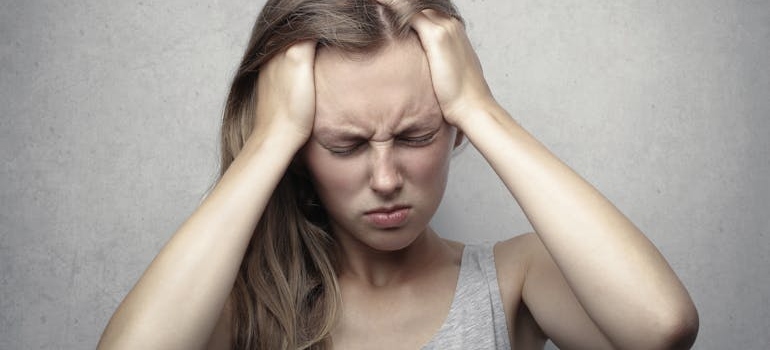
Tension Headaches
Tension headaches, the most common type of headache experienced by adults, can also be induced by drinking alcohol. Characterized by a dull, aching sensation around the forehead or the back of the head and neck, these headaches are typically due to muscle contractions in these areas. Cutting back on alcohol, along with regular physical activity, can help manage or reduce the frequency of these headaches. Consider engaging in summer social activities in PA without alcohol, like hiking or picnicking, to promote overall well-being and enjoy the season headache-free.
What’s In Alcohol That Causes Headaches?
Ever wondered what’s in alcohol that can lead to those nagging headaches? Several components in alcoholic beverages might be the culprits. First up, congeners—these are chemical byproducts of the fermentation process, found mostly in darker spirits like whiskey and red wine, and they’re notorious for causing headaches. Another headache trigger is sulfites, preservatives used in wine to keep it fresh but can be harsh for those sensitive to them.
Ethanol, the main type of alcohol, also plays a big role. It triggers your body to produce more urine, which can lead to dehydration, a common headache trigger. So, next time you face a headache after a night out, these ingredients might be why. If you’re concerned about how often alcoholism can cause chronic headaches, it might be time to look at your drinking habits.

How Little Alcohol Is Enough to Cause a Headache?
Wondering how little alcohol is enough to cause a headache? It might be less than you think, and it varies from person to person. Your unique body chemistry plays a big role in how you react to alcohol. For some, a single drink can trigger a headache, while others may not experience any discomfort until they’ve had several drinks. The type of alcohol you choose can also make a difference—darker spirits are often more likely to cause headaches than lighter ones.
Dehydration is another key factor. Alcohol can dehydrate you, and dehydration can lead to headaches. Staying within safe drinking guidelines can help you avoid these issues. If managing your alcohol intake is challenging, consider exploring sober living houses in PA. These supportive environments can be crucial in helping you maintain sobriety and avoid the pain of alcohol-induced headaches.
Get Sober with Little Creek Recovery
If you’re asking yourself can alcoholism cause chronic headaches, it’s time to consider how alcohol might be affecting more than just your head. These headaches could be a sign that your body is struggling under the stress of alcohol. Whether you’re just starting to connect the dots, or you’ve known for a while that you need to make a change, it’s never too late to seek help. If alcohol is impacting your life and health, reaching out for support is a strong and positive step. Our team is here to provide the guidance and care you need to overcome these challenges. Don’t wait for things to get worse. Contact us today, and let’s work together to create a healthier, happier you.
Admissions
Family Programs
“Adventure trek is always popular”
Little creek lodge is such an amazing place for people who want to make a serious change in their life. I’ve watched my loved one grow immensely through his recovery with the help of the caring staff and engaging programs. Adventure trek is always popular on the agenda!
Annabelle Stiso |

