 570-630-9354
The Rise of Day Drinking Culture
Begin Today
Day drinking culture reflects a growing social trend where daytime alcohol use is normalized through brunches, events, and leisure activities, but it can increase the risk of alcohol abuse, binge drinking, and long-term health and behavioral consequences if not kept in moderation
Jump to Section
Grabbing a drink before sunset used to feel rare, but now it’s part of everyday life. You see it at brunch, weekend events, and even casual meetups. Day drinking culture has made alcohol feel more normal during the day, and that can blur the line between social fun and risky habits. At first, it may seem harmless, especially when everyone around you is doing the same. However, it can slowly turn into something harder to control. If you’ve started to question your own drinking, that matters. You’re not overreacting. Paying attention early can make a real difference. For some people, support like a rehab lake Ariel PA residents rely on becomes an important step toward regaining balance and feeling more in control again.
The Rise Of Day Drinking Culture
You have likely noticed how normal it feels to drink earlier in the day now. Brunch, day parties, and casual meetups often include alcohol without much thought. Day drinking culture has shifted what people see as typical behavior, and it keeps growing. What once felt like a rare choice now blends into everyday life. It often overlaps with weekend drinking culture, where long days turn into extended drinking hours.

This can make it harder to notice when habits change. You may start earlier, drink longer, and feel it less at first. Still, that pattern can build over time. Day drinking culture does not always look harmful on the surface, which is why it can be easy to miss when things start to feel out of balance in your daily routine.
Why Day Drinking Has Become More Popular
You are not imagining it. More people are drinking earlier, and there are clear reasons behind that shift. Social media, flexible schedules, and event culture all play a role. Day drinking culture feels casual, and that makes it easier to accept. People often drink to relax, connect, or take a break from stress. Over time, these reasons can become habits.
You may also notice that alcohol is tied to almost every social plan. That pressure can make it harder to say no. When stress builds, some turn to alcohol as a quick fix. This is where support like DBT for alcohol use disorder can help people learn better ways to cope. Day drinking culture continues to grow because it fits easily into modern life, even when it starts to create problems.
The Risks Behind Day Drinking Culture
It can feel harmless at first, but patterns often change without clear warning. Day drinking culture can make it easier to drink more often and in larger amounts. You may not notice the shift right away, especially when it feels social and accepted. Over time, these habits can affect your health, mood, and daily life in ways that are harder to ignore. Paying attention early can help you avoid deeper problems later on:
- Increased intake: You drink more because the day feels longer and less structured.
- Lower awareness: You lose track of how much you have consumed over time.
- Poor decisions: Your judgment slips earlier in the day, affecting choices.
- Health impact: You feel more tired, dehydrated, and mentally drained.

When Day Drinking Becomes A Warning Sign
You might not notice the shift right away, but small changes in your habits can point to something deeper. Day drinking culture can make early drinking feel normal, so it is easy to overlook warning signs. Still, your body and mind often give clear signals. Paying attention to patterns helps you stay aware and honest with yourself. These signs do not mean failure, but they do mean it is time to pause and reflect.
Drinking Earlier Or More Often Than Planned
You may tell yourself you will wait until later but then find yourself reaching for a drink much earlier than expected. Over time, this shift becomes more frequent, and your limits start to fade. This pattern often connects to a growing day drinking alcohol problem, even if it does not feel serious yet.
You might also notice that one drink turns into several without much thought. That loss of control matters. It shows that your habits are changing in ways that deserve attention. If you feel uneasy about it, trust that feeling. Many people in similar situations explore support options like an alcohol rehab center Newburgh NY has to better understand their behavior and regain control before things get worse.
Using Alcohol To Cope With Stress
Stress can build quietly, and alcohol may start to feel like a quick way to manage it. At first, it seems helpful. You take the edge off and feel calmer. However, this can slowly turn into drinking during the day alcohol abuse, especially when stress becomes a daily trigger. You may begin to rely on alcohol instead of healthier coping tools. This can make problems feel heavier over time, not lighter.
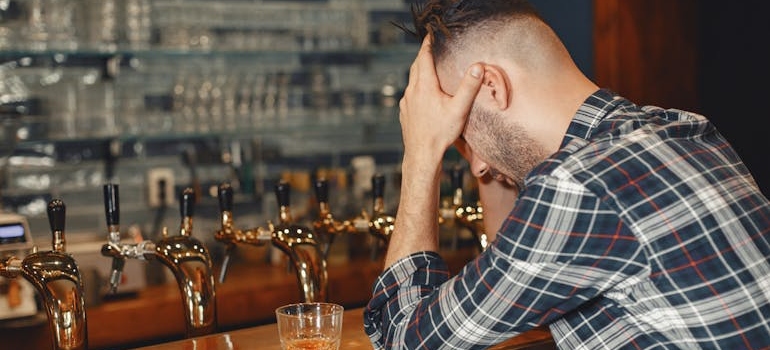
When alcohol becomes your main way to cope, it often leads to deeper struggles like daytime drinking addiction. You are not alone in this pattern, and support exists. Some people turn to inpatient alcohol rehab Pennsylvania programs to break that cycle and learn better ways to handle stress without relying on alcohol.
Ignoring Responsibilities After Drinking
When drinking starts to affect your daily life, it becomes harder to ignore. Tasks get pushed aside, and your focus begins to slip more often than before. This pattern can connect to day drinking and alcoholism, especially when responsibilities feel less important than drinking. It may not happen all at once, but small changes add up over time and affect your routine:
- Missed work tasks: You delay or avoid duties because you feel tired or unfocused after drinking.
- Skipped plans: You cancel commitments because drinking feels easier than showing up.
- Low energy: You struggle to stay alert and productive during the day.
- Poor focus: You find it harder to complete simple tasks or stay organized.
How Rehab Can Help With Alcohol Abuse
Rehab can help when alcohol starts shaping your day, your choices, and your peace of mind. Day drinking culture often hides the seriousness of the problem because it can look social or harmless from the outside. Still, support can give you space to look at what is happening and what needs to change. The right care can help you rebuild trust in yourself again, step by step, with steady support.
Recognizing When Professional Support Is Needed
You do not have to hit a certain low point before getting help. If drinking during the day feels hard to stop, or you keep breaking limits you set for yourself, that is enough reason to reach out. Professional support can help you look at your patterns without shame. It can also help you understand why people day drink, especially when stress, loneliness, boredom, or pressure are involved.

You may need help if alcohol is affecting your sleep, mood, family, work, or health. These signs can grow slowly, which makes them easy to explain away. A program for alcohol rehab in Pennsylvania can give you structure, care, and guidance while you work toward safer choices and better control over your life, without facing every hard moment alone anymore. You deserve that.
Treatment Options For Alcohol Use Concerns
Treatment can look different for each person, because alcohol use does not affect everyone the same way. Some people need medical support first, especially if stopping alcohol causes shaking, sweating, nausea, anxiety, or sleep problems. In those cases, alcohol detox can help you stop drinking more safely under care. After that, therapy can help you understand your triggers, build coping skills, and repair the parts of life alcohol has harmed.
Some people benefit from inpatient care, while others do well with outpatient support. What matters most is finding care that fits your needs and keeps you accountable. You deserve help that treats you like a person, not a problem, and gives you tools you can use after treatment ends with steady guidance and real support for change. That support matters.
Building Healthier Habits After Rehab
Life after rehab is not about proving you are perfect. It is about creating routines that support your health when old triggers show up. Establishing healthy habits can make recovery feel more stable and less overwhelming. That might include better sleep, regular meals, support meetings, exercise, therapy, and honest check-ins with people you trust.
These habits matter because they lower the chance of slipping back into old patterns. They also help you handle stress without reaching for alcohol first. You may still face hard days, but you can meet them with more support and clearer choices. Recovery grows stronger when your daily life gives you fewer reasons to return to drinking and more reasons to keep moving forward with confidence each day, even when life feels stressful. Small steps count.

How To Approach Day Drinking More Safely
You may not want to stop completely, but you can still make choices that protect your health and peace of mind. Day drinking culture can make it easy to lose track of how much and how often you drink. That is why small, clear changes matter. When you stay aware of your habits, you give yourself more control. These steps can help you stay safer while still being social.
Setting Clear Drinking Limits
It helps to decide your limits before you start drinking, not in the moment. When you set a clear number of drinks ahead of time, you are less likely to go past it without thinking. You can also set time limits, like avoiding drinking too early in the day. This can reduce the risk of building a pattern that feels hard to break later.
Limits are not about restriction. They are about staying aware and in control. You might also choose alcohol-free days during the week to reset your body and mind. These choices can lower the chance of habits turning into something more serious. Staying honest with yourself makes a big difference, especially when social settings make it easy to ignore your own boundaries and continue drinking longer than planned.
Eating, Hydrating, And Pacing Alcohol Intake
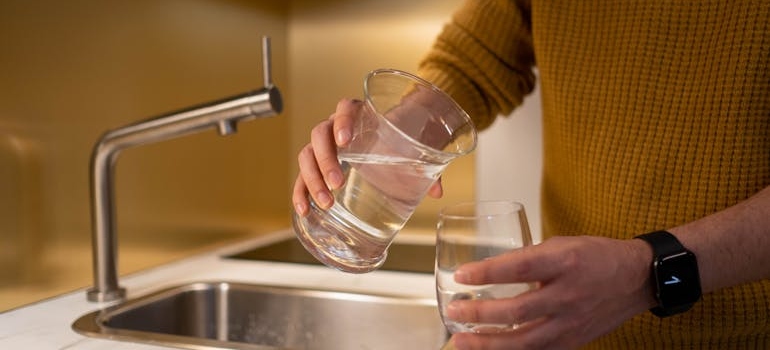
Food and water can make a real difference in how alcohol affects you. Eating before and while drinking slows how alcohol enters your system, which can help you stay more aware of your intake. Drinking water between alcoholic drinks also helps you pace yourself and avoid drinking too quickly. When you slow down, you give your body time to process alcohol and you reduce the risk of overdoing it.
It can also help to choose drinks with lower alcohol content and avoid mixing different types of alcohol. These small steps may seem simple, but they can protect your health and help you stay in control. Paying attention to your body while drinking can prevent regret later and support better choices throughout the day and into the evening.
Choosing Alcohol-Free Social Alternatives
You can still enjoy social time without making alcohol the focus of every plan. Finding other ways to connect can help you step away from habits that feel automatic. When you explore new options, you may notice that you feel more present and less pressured to keep drinking. These choices can support balance and give you space to reset your habits:
- Coffee meetups: Spend time with friends in a relaxed setting without alcohol involved.
- Outdoor activities: Go for walks, hikes, or sports that keep you active and engaged.
- Mocktail options: Choose non-alcoholic drinks that still feel social and enjoyable.
- Creative plans: Try art, music, or cooking activities that shift focus away from drinking.
It Might Be Time To Make A Change
Day drinking culture can make alcohol seem like a normal part of relaxing, socializing, or coping with stress. Still, it is worth paying attention when daytime drinking starts to affect your mood, choices, work, or relationships. You do not need to wait for things to fall apart before asking for help. Noticing a pattern early is a sign of honesty, not failure. If drinking feels harder to control than it used to, take that feeling seriously. Talk to someone you trust, set clear limits, and consider professional support if you keep crossing them. Change can feel uncomfortable at first, but it can also bring relief. You deserve a life where alcohol is not making decisions for you, and support can help you get there.
Frequently Asked Questions
What is day drinking culture?
Day drinking culture refers to the growing social acceptance of consuming alcohol during daytime activities like brunch, festivals, or casual gatherings, rather than limiting drinking to evenings or nightlife settings.
Is day drinking more harmful than drinking at night?
Not necessarily, but day drinking can lead to higher overall alcohol intake since it extends the drinking window, increasing the risk of binge drinking, dehydration, impaired judgment, and potential long-term health issues.
How can someone practice moderation with day drinking?
Setting limits, pacing drinks, staying hydrated, eating beforehand, and being mindful of frequency can help reduce risks and keep alcohol consumption within safer, more controlled boundaries.
Admissions
Family Programs
“5-star treatment
experience”
Every element of this treatment experience is 5-star: one-on-one counseling, group therapy, Adventure Trek, lodging, amenities, food, staff. Inpatient and outpatient services are the best you’ll find anywhere. Staff truly care for each individual and want to see them succeed in their recovery. A very special place. Love LC from the bottom of my heart
Meg Boyle |


Take the First Step Towards a Healthier Life
Begin Today