 570-630-9354
Medical Detox
Begin Today
Medical detox provides 24/7 care during withdrawal. It is often needed for alcohol, opioids, and benzodiazepines. Detox helps stabilize your body, reduce risks, and prepare you for rehab, therapy, and ongoing recovery support.
Jump to Section
If you feel stuck in a cycle of drinking or drug use, you are not alone. The first step can feel scary, especially when your body depends on a substance. Still, safe medical detox can help you stabilize and think clearly again. At Little Creek Recovery, you receive 24/7 care in a detox center Pennsylvania residents trust. Medical staff monitor your symptoms, manage discomfort, and respond quickly if problems arise. As a result, you do not have to face withdrawal on your own. This stage prepares you for deeper treatment and long-term change. Help is closer than you think, and real support is available today. Reach out now to start your recovery with professional medical detox.

What Is Medical Detox and Why Is It the First Step Toward Recovery
Medical detox is the first course of addiction treatment when your body depends on alcohol or drugs. It focuses on helping you withdraw safely under medical care. During detox, doctors and nurses monitor your health around the clock. We manage symptoms, reduce discomfort, and respond quickly if problems arise. This is not just about stopping a substance.
The detox level of care is about stabilizing your body so you can think clearly again. Little Creek offers a detox program Pennsylvania residents can trust. We provide medically-supervised, structured care in a safe setting.
Instead of facing withdrawal alone, you receive steady support and supervision so that you are prepared for the next phase of treatment. Once your body is stable, you can begin deeper work in addressing the factors that contributed to your development of an addiction, and begin to work towards lasting recovery.

Substances That Often Require Medical Detox
Little Creek Lodge provides medically managed detox care. Withdrawal symptoms can range from anxiety and insomnia to seizures or severe mood swings. Some drugs create intense cravings, while others cause physical danger during withdrawal. Because of this, professional care is strongly recommended. At our detox center in PA, we treat a wide range of addictions, including:
- Alcohol addiction
- Cocaine addiction
- Benzodiazepine addiction
- Heroin addiction
- Marijuana addiction
- Prescription drug addiction
- Opioid addiction
What to Expect During Medical Detox Treatment
When you enter detox at Little Creek, care begins with a full medical assessment. Staff reviews your health history, substance use, and current symptoms. Then a plan is created to keep you stable and safe. During inpatient medical detox, nurses check your vital signs often and track withdrawal symptoms closely.
Our medical providers prescribe medications to ease discomfort and reduce the risk of medical complications during this phase. Medication-assisted treatment, also called MAT, may be used for opioid or alcohol dependence. MAT helps lower cravings and prevent severe withdrawal reactions. You will also receive emotional support during this time. As your body stabilizes, staff begin planning your next step in treatment. Detox is focused, structured, and designed to help you move forward safely.
Medications Used During Medical Detox
Medications are often used in detox centers in Pennsylvania to reduce discomfort and protect your health. The type of medication depends on the substance involved and your medical history. Doctors adjust doses carefully and monitor your response throughout treatment. The goal is to ease symptoms, prevent complications, and lower cravings when possible. During detox in Pennsylvania, medications may include:
- Benzodiazepines: Used in alcohol withdrawal to prevent seizures and reduce anxiety.
- Buprenorphine: Helps manage opioid withdrawal and lower cravings.
- Naltrexone: Reduces cravings for alcohol and opioids after stabilization.
- Clonidine: Helps with anxiety, sweating, and agitation.
- Anti-nausea medications: Manage stomach upset and vomiting.
- Sleep support medications: Help regulate rest during withdrawal.
24/7 Medical Oversight and Safety Monitoring
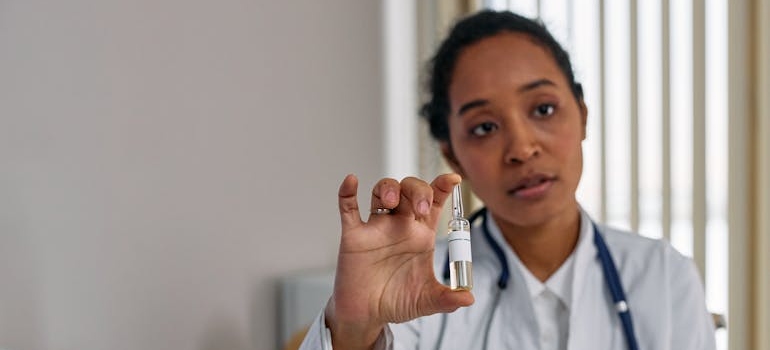
Withdrawal can change quickly, which is why constant supervision matters. During adult inpatient medical detox, trained professionals monitor your heart rate, blood pressure, and overall stability. If symptoms worsen, medical staff respond right away. This level of care reduces serious complications and gives you peace of mind. Detox in Pennsylvania includes regular check-ins and symptom tracking throughout the day and night.
You are never left alone to manage dangerous reactions. Medical oversight also helps manage anxiety, sleep issues, and physical discomfort. Staff adjust medications when needed to support safer withdrawal. Because detox happens in a controlled setting, you can focus on stabilizing your body without added stress or outside triggers.
The Risks of Delaying Medical Detox
Putting off detox can make health problems worse over time. Continued use increases tolerance, which raises the risk of overdose. Mental health symptoms often grow stronger as well. Many people underestimate the dangers of improper substance detoxification when trying to quit alone. Severe alcohol or benzodiazepine withdrawal can lead to seizures or life-threatening complications.
Opioid use carries ongoing overdose risk, especially after periods of reduced tolerance. Detox offers medical supervision that lowers these dangers. Instead of waiting for a crisis, early treatment helps protect your health. Acting sooner can also improve your chances of long-term recovery. Detox gives you a safer starting point before problems become harder to manage.

Who Is a Good Candidate for Medical Detox?
You may need detox in Pennsylvania if your body has become dependent on a substance. Certain signs suggest medical supervision is the safer choice. Withdrawal symptoms such as shaking, sweating, or anxiety often signal physical dependence. If you have tried to quit before and could not, that is another sign.
Medical detox is recommended for people with moderate to severe substance use, including:
- Daily alcohol use with withdrawal symptoms.
- Long-term opioid or heroin dependence.
- Benzodiazepine use requires supervised tapering.
- Past seizures during withdrawal attempts.
- Co-occurring mental health conditions.
- Multiple failed attempts to quit alone.
- High tolerance and increased substance amounts.
Insurance Coverage and Payment Options
Cost should not stop you from getting help. Many insurance plans cover detox in Pennsylvania, including medical stabilization and monitoring. Coverage depends on your specific policy, but admissions teams verify benefits before treatment begins. They explain what is covered and review any out-of-pocket costs. This helps you plan with fewer surprises. Detox is often included under behavioral health benefits. If you do not have insurance, payment plans or private pay options may be available. Staff walk you through the process step by step, so you feel informed. Commonly accepted providers include:

Why Choose Little Creek Recovery PA for Detox?
Choosing the right program matters when your health is at risk. Little Creek Recovery PA provides structured medical support in a calm setting. Staff understand that tailored detox programs are more effective because every person has different needs. Treatment plans are based on your history, substance use, and overall health.
Detoxing at this facility includes careful monitoring and compassionate care. You receive steady support without judgment. The team also prepares you for the next level of treatment, so you do not feel lost after withdrawal ends. Detox should feel organized and focused, not rushed. Here, the goal is safe stabilization and a strong foundation for continued recovery.
Additional Addiction Treatment Services Available
Detox is only the beginning of recovery. After detox, continued care helps address emotional triggers and relapse risks. Treatment plans are built around your needs and daily responsibilities. You may move into structured programs that provide therapy, education, and peer support. These services create stability after withdrawal ends.
Options include:
- Inpatient treatment: Full-time residential care with structured daily therapy.
- Partial Hospitalization Program (PHP): Day treatment with medical and clinical support.
- Intensive Outpatient Program (IOP): Flexible therapy several days per week.
- Outpatient treatment: Continued counseling while living at home.
- Sober living: Supportive housing focused on accountability and stability.

Serving Communities Across Pennsylvania
Help is available for people across Pennsylvania and nearby states. Detox in Pennsylvania is accessible to residents in both large cities and smaller towns. Admissions staff can answer questions about travel and placement. Little Creek Recovery serves individuals from:
- Scranton
- Wilkes Barre
- Allentown
- Reading
- Middletown
- Binghamton
- Newburgh
- Edison
- Princeton
No matter where you live, support is within reach. Detox gives you a safe place to begin, and distance should not stop you from getting care. Staff works with you to make the process simple and direct so you can focus on your health and next steps.
Evidence and Statistics Supporting Medical Detox
Real numbers show why medical support matters during withdrawal. Research shows that about 75% of people complete medically supervised detox programs in detox centers in Pennsylvania, which is higher than many expect when trying to quit alone. Studies also report that nearly half of those who finish detox move on to continued treatment, which improves long-term outcomes.
Research from the Substance Abuse and Mental Health Services Administration (SAMHSA) notes that about 68% of people who complete drug and alcohol detox report positive treatment success, including reduced use and better daily functioning. At the same time, relapse rates for substance use disorders often fall between 40% and 60%, similar to other chronic health conditions. However, outcomes improve when detox is followed by therapy and structured care. These figures support seeking professional detox instead of attempting withdrawal without medical supervision.
Start Medical Detox in Pennsylvania Today
Making the decision to detox is not easy, yet it can change everything. You may feel nervous about withdrawal or unsure what comes next. That is normal. At Little Creek Recovery, you receive steady medical care and clear next steps in a detox center Pennsylvania families rely on. Staff stay close, monitor your health, and adjust care as your body stabilizes. Then, you move into ongoing treatment with a stronger foundation. You do not have to figure this out alone, and you do not have to wait for things to get worse. Real help is available right now, and it starts with one call. Reach out today to begin safe medical detox.
Frequently Asked Questions
How long does medical detox take?
Most programs last five to ten days. The timeline depends on the substance, the length of use, and your health. A detox center Pennsylvania residents trust will monitor you daily and adjust care as needed.
Is medical detox painful?
Withdrawal can be uncomfortable, but inpatient medical detox helps reduce pain and risk. Medications and 24/7 monitoring make symptoms safer and more manageable.
Can I detox from alcohol at home?
Alcohol detox at home can be dangerous due to seizure risk and severe symptoms. Professional alcohol detox provides medical supervision and rapid response if complications occur.
What medications are used during detox?
Medications depend on the substance. Doctors may use tapering medications, anti-nausea drugs, sleep support, or medications that reduce cravings during drug detox Pennsylvania programs.
Will insurance cover medical detox?
Many insurance plans cover detox services. Coverage depends on your provider and policy. Admissions teams verify benefits before treatment begins.
What happens after detox is finished?
After stabilization, most people transition into adult inpatient medical detox follow-up care or another structured treatment program for continued recovery support.
Is detox enough to stay sober?
Detox clears substances from your body, but it does not treat the causes of addiction. Ongoing therapy and structured care improve long-term success.
How quickly can I be admitted?
Admission can often happen within 24 to 48 hours, depending on availability and medical needs. Assessment usually begins the same day you call.
Admissions
Family Programs
“5-star treatment
experience”
Every element of this treatment experience is 5-star: one-on-one counseling, group therapy, Adventure Trek, lodging, amenities, food, staff. Inpatient and outpatient services are the best you’ll find anywhere. Staff truly care for each individual and want to see them succeed in their recovery. A very special place. Love LC from the bottom of my heart
Meg Boyle |


Take the First Step Towards a Healthier Life
Begin Today