 570-630-9354
Creating a Balanced Life in Sobriety: Work, Play, and Growth
Begin Today
Jump to Section
For those navigating life after addiction, the concept of “balance” can feel both elusive and unfamiliar. During active addiction, balance often didn’t exist—life may have revolved around substances, and everything else was pushed to the margins. But in recovery, balance becomes not just a goal but a necessary foundation for lasting wellness. At Little Creek Lodge Recovery, we understand that sobriety is not simply about abstaining from substances—it’s about building a fulfilling life that supports emotional, mental, and physical health. That means learning how to engage with life’s responsibilities, enjoy its pleasures, and invest in ongoing personal development. Creating a balanced life in sobriety involves finding harmony between work, play, and personal growth, and discovering how all three can serve your recovery.

Why a Balanced Life Matters in Recovery
In early recovery, people often swing to extremes. Some throw themselves into work, trying to prove their worth or stay distracted. Others avoid responsibility altogether, afraid of stress or failure. Some feel overwhelmed by the task of rebuilding their lives and freeze in place, unsure of where to start.
Without balance, it’s easy to feel burned out, isolated, or disconnected—all of which can put sobriety at risk.
Balance is what allows a person in recovery to manage emotions, reduce stress, and feel grounded. It offers a rhythm for daily living and creates space for growth without feeling overwhelmed. It also fosters a sense of purpose and peace, which are critical to long-term success in sobriety.
Finding Stability Through Meaningful Work
Work is more than just a paycheck—it can be a source of pride, structure, and identity. Many people in recovery find that returning to work or pursuing new career goals helps them feel useful again, rebuild self-esteem, and regain a sense of normalcy.
But the relationship with work needs to be healthy. It’s important not to use work as a way to escape difficult feelings or avoid processing trauma. For some, overworking becomes a substitute addiction—offering a rush of productivity or achievement without real emotional connection. That’s why part of recovery involves reassessing what kind of work brings genuine fulfillment.
Here are some questions worth asking:
- Does my work reflect my values?
- Am I overworking to avoid uncomfortable feelings?
- Is my schedule sustainable, or do I need boundaries?
Creating a work life that supports recovery may involve:
- Choosing part-time work initially to ease back in
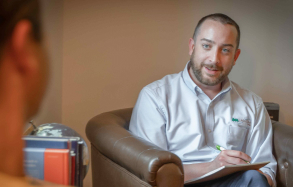
- Talking with a therapist or mentor about career goals
- Exploring vocational training or educational opportunities
- Learning how to set boundaries with hours or expectations
At Little Creek Lodge, we often help individuals develop vocational skills or explore new career paths that align with their recovery journey. Work should support sobriety, not sabotage it.
The Power of Play: Reclaiming Joy and Creativity
When someone has lived in survival mode for a long time, joy can feel foreign. Addiction often numbs emotions and steals time, energy, and interest in things that once brought happiness. In recovery, rediscovering play isn’t just “nice to have”—it’s essential.
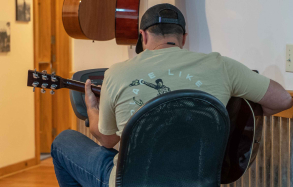
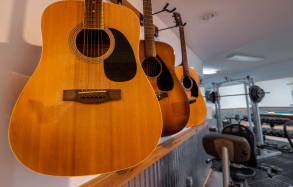
Play doesn’t have to mean games or hobbies, though it certainly can. It means engaging in activities that are fun, creative, energizing, or purely for your own enjoyment: hiking with friends, joining a music group, painting, cooking, skateboarding, or playing pickup basketball. It could be exploring nature, watching movies that make you laugh, or playing an instrument you haven’t touched in years.
Why is this so important?
Because play:
- Reduces stress
- Builds healthy social connections
- Strengthens emotional resilience
- Reintroduces spontaneity and pleasure
- Helps fill the time that used to be consumed by substance use
In the absence of joy, sobriety can start to feel like punishment. That’s why we encourage every person in recovery to make room for recreation—not just as a luxury, but as a key part of a balanced, fulfilling life.
Prioritizing Personal Growth
The third pillar of a balanced life is personal growth, the ongoing commitment to learning, self-awareness, and emotional healing. This isn’t something that ends after 30, 60, or 90 days in treatment. It’s a lifelong process.
Sobriety opens the door to self-discovery. Without substances clouding the mind or numbing emotions, people are able to explore who they are, what they want, and what kind of life they hope to build. But that process takes time, effort, and intention.
Personal growth in recovery might include:
- Therapy or counseling to explore trauma, family dynamics, or emotional patterns
- Reading or journaling to deepen self-understanding
- Attending support groups and learning from others’ experiences
- Practicing mindfulness or meditation to stay grounded in the present
- Setting and working toward personal goals—whether physical, emotional, relational, or spiritual
A key aspect of growth is learning to sit with discomfort without escaping. That’s where some of the deepest healing occurs. Growth doesn’t mean being perfect; it means being open to change, curious about your inner world, and willing to try again when you fall short.
At Little Creek, we work closely with our clients to create customized recovery plans that support ongoing development, both inside and outside of formal treatment. We believe that when people feel empowered to grow, they naturally move away from the patterns that once held them back.
Tips for Creating Balance in Daily Life
So how can someone in recovery begin to weave together work, play, and growth into a life that feels whole?
Here are some strategies we recommend:
1. Make a Weekly Rhythm, Not Just a Daily Schedule
Rather than packing every day with equal parts work, play, and growth, aim for balance across the week. Maybe Monday is your focused workday, Wednesday is for therapy and journaling, and Saturday is for hiking or social events. Flexibility matters more than rigidity.
2. Use Self-Reflection as a Compass
Take time regularly to ask yourself: Am I feeling fulfilled? Am I too stressed? Am I connected to others? Honest check-ins can help you spot imbalance early—before it threatens your stability.
3. Protect Time for Each Pillar
Don’t let work crowd out play. Don’t let fun become avoidance. Make space for all three elements of a healthy life—sometimes in small ways, sometimes in big ways.
4. Surround Yourself with Accountability
Whether it’s a sponsor, therapist, sober friend, or coach, surround yourself with people who can help you stay grounded and aligned with your values. Balance is easier when you’re not navigating it alone.
The Role of Environment
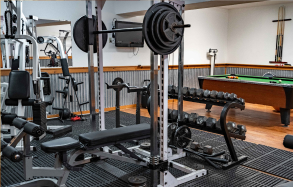
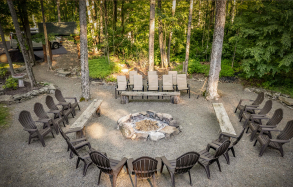
The environment you live in has a profound impact on how easy or hard it is to create a balanced life. At Little Creek Lodge, our campus is designed to promote holistic well-being: the natural setting, structured programs, access to creative outlets, and strong community all work together to support healthy habits.
But even outside of treatment, your home environment can support balance. Think about:
- Limiting screen time or news consumption
- Keeping a clean and peaceful space
- Surrounding yourself with uplifting music, books, or visuals
- Creating a routine that includes breaks, meals, and rest
Sometimes balance starts by simply removing the chaos that once fueled addiction and replacing it with a space that encourages intention and clarity.
You Deserve a Life You Enjoy – Prioritize a Balanced Life
Recovery isn’t just about avoiding relapse. It’s about building a life that feels worth staying sober for. When work is meaningful, play brings joy, and growth continues, sobriety becomes a source of empowerment rather than restriction.
Creating a balanced life in sobriety isn’t a one-time achievement—it’s an evolving process. It takes effort, patience, and the willingness to keep showing up for yourself, even on hard days. But the reward is enormous: freedom, fulfillment, and a life rooted in authenticity.
At Little Creek Lodge Recovery, we’re here to walk alongside you as you rediscover what balance means in your own life. Whether you’re just beginning your journey or looking to strengthen your recovery, we believe in your ability to build a life that honors your past, embraces your present, and looks forward to your future.
Admissions
Family Programs
“5-star treatment
experience”
Every element of this treatment experience is 5-star: one-on-one counseling, group therapy, Adventure Trek, lodging, amenities, food, staff. Inpatient and outpatient services are the best you’ll find anywhere. Staff truly care for each individual and want to see them succeed in their recovery. A very special place. Love LC from the bottom of my heart
Meg Boyle |


Take the First Step Towards a Healthier Life
Begin Today