
 570-630-9354
Risks of Mixing Gabapentin and Tramadol
Begin Today
Gabapentin and tramadol affect the nervous system differently, but taking them together can intensify sedation and slow breathing. Respiratory depression, extreme drowsiness, confusion, and seizures may signal a serious reaction or overdose. Combining either medication with alcohol or other depressants can further increase these risks.
Jump to Section
Mixing medications can be risky, and it’s important to understand the potential dangers. Gabapentin and tramadol are both commonly prescribed for pain but combining them can lead to serious health problems. In this post, we’ll explore the risks of mixing Gabapentin and Tramadol, including possible side effects and complications. Our goal at Little Creek Recovery PA is to provide clear, straightforward information to help you make informed decisions about your health. If you or someone you know is using these medications, keep reading to learn more about the potential risks and how to stay safe.
What’s the Difference Between Gabapentin and Tramadol?
Gabapentin and tramadol are different types of medications with distinct uses, mechanisms, and risks. These differences matter when the medications are combined because their effects and safety concerns can overlap without being identical:
- Gabapentin: An anticonvulsant commonly used for certain seizures and neuropathic pain. Gabapentin is not an opioid. However, it can be misused, and physical dependence and withdrawal symptoms can occur, particularly after regular or prolonged use. These risks should not be considered equivalent to the established opioid-related risks associated with tramadol.
- Tramadol: An opioid analgesic used to manage pain. Like other opioids, tramadol carries established risks of misuse, addiction, physical dependence, and overdose, even when prescribed for a legitimate medical purpose. It also affects serotonin and norepinephrine signaling, which contributes to additional risks such as seizures and serotonin syndrome.

What is Gabapentin?
Gabapentin is an anticonvulsant medication used to treat certain seizure disorders and is also commonly prescribed for neuropathic pain, including pain related to shingles or nerve damage. Common effects can include dizziness, drowsiness, fatigue, and coordination problems.
More serious breathing problems are possible, particularly when gabapentin is combined with opioids or other central nervous system depressants. Although it is not an opioid, gabapentin can still be misused, and it has been identified as one of the most abused prescription medications.
What is Tramadol?
Tramadol is an opioid analgesic used to treat moderate to severe pain and also affects neurotransmitter signaling involving serotonin and norepinephrine. Doctors may prescribe Tramadol for pain relief when other options do not provide enough relief.
Common side effects of tramadol include dizziness, drowsiness, nausea, constipation, and headache. More serious risks include respiratory depression, seizures, and serotonin syndrome. These risks become especially important when tramadol is combined with other medications that cause sedation or suppress breathing, including gabapentin, which is why the interaction between the two drugs requires careful medical supervision.

Can You Take Gabapentin and Tramadol Together?
Gabapentin and tramadol can sometimes be prescribed together, but the combination should be used only under medical supervision. Tramadol is an opioid, while gabapentin can add to sedation and increase the risk of breathing problems when taken with opioids. The risk may be greater in older adults, people with respiratory conditions, and anyone using other medications or substances that slow the central nervous system.
If both medications were prescribed, take them exactly as directed and do not increase the dose on your own. Contact a healthcare provider if you develop unusual drowsiness, confusion, or poor coordination. Slow or shallow breathing, inability to wake, blue lips, or seizures require emergency care. If opioid misuse or dependence is also a concern, Pennsylvania opioid treatment programs can provide professional assessment and appropriate treatment options.
What Should You Do If You Accidentally Took Gabapentin and Tramadol Together?
If you accidentally take gabapentin and tramadol together, do not panic, but take the situation seriously. These medications are sometimes prescribed together, so taking both does not automatically mean an overdose. However, the combination can increase sedation and the risk of respiratory depression, particularly at higher doses or when other depressants are involved.
Do not take additional doses, drink alcohol, drive, or use other sedating medications unless a healthcare professional advises otherwise. Contact your prescriber, pharmacist, or poison control service for guidance based on the doses taken and your individual risk factors. Call emergency services immediately if you develop slow or shallow breathing, extreme drowsiness, difficulty waking, blue lips or fingertips, loss of consciousness, or seizures.
Potential Risks of Mixing Gabapentin and Tramadol
Risks of mixing gabapentin and tramadol can be dangerous due to their combined effects on the nervous system. This combination can increase the likelihood of severe side effects. It’s crucial to understand these risks and consult with a healthcare provider before using these medications together.
Respiratory Depression
Respiratory depression is one of the most serious risks of mixing gabapentin and tramadol. Tramadol is an opioid that can suppress breathing, and the FDA warns that serious breathing difficulties may occur when gabapentin is taken with opioids or other central nervous system depressants.
Respiratory depression causes breathing to become dangerously slow, shallow, or ineffective. As oxygen levels fall, a person may become confused, extremely sleepy, unresponsive, or develop a bluish color around the lips or fingertips. Severe cases can progress to respiratory failure, coma, or death without prompt treatment.
Risk is greater among older adults, people with underlying respiratory impairment, and those using other CNS depressants. Anyone who becomes difficult to wake or develops slow, shallow, irregular, or stopped breathing after taking these medications needs emergency medical care immediately.
Sedation, Dizziness, and Impaired Coordination
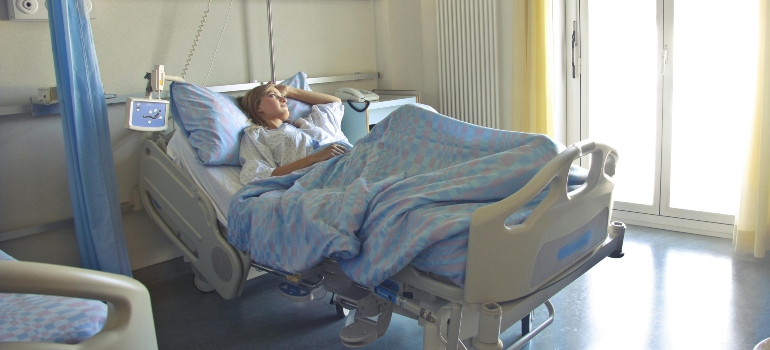
Taking gabapentin and tramadol together can increase sedation and make it harder to remain alert. Both medications can cause drowsiness and dizziness, so these effects may become more noticeable when the drugs are combined. A person may experience extreme fatigue, slowed reactions, difficulty concentrating, or impaired balance and coordination.
These effects can interfere with everyday activities and increase the likelihood of falls, driving accidents, and other injuries. Older adults and people taking additional medications that cause drowsiness may be particularly vulnerable. Alcohol and other sedatives can further intensify these effects.
People prescribed both medications should follow their dosing instructions carefully and avoid driving or operating machinery until they understand how the combination affects them. Unexpected or severe sedation should be reported to a healthcare provider, while difficulty waking requires immediate medical attention.
Seizures and Other Tramadol-Specific Risks
Not every danger associated with combining these medications comes from sedation. Tramadol can cause seizures, including at recommended doses, and the risk can increase at higher doses or in people with certain medical conditions or interacting medications. A seizure after taking tramadol should be treated as a medical emergency, particularly when overdose is possible.
Tramadol also affects serotonin and norepinephrine signaling. Serotonin syndrome is therefore a potential tramadol-related risk, but it is not a primary interaction between gabapentin and tramadol. The risk becomes particularly important when tramadol is taken with other serotonergic medications, including certain antidepressants. Symptoms can include agitation, confusion, sweating, fever, rapid heart rate, muscle rigidity, and poor coordination.
Patients should therefore tell their prescriber about all medications and supplements they use before taking tramadol with gabapentin. This allows clinicians to identify seizure risks, serotonergic drug interactions, and other factors that may make treatment less safe.
Misuse, Dependence, and Withdrawal
Tramadol can cause physical dependence and carries a risk of misuse and opioid use disorder, particularly when it is taken differently from how it was prescribed. Gabapentin can also be misused, including alongside opioids, but taking the two medications together does not automatically mean someone will develop an addiction.
People concerned about the risk of addiction and dependence should discuss their medication use with a healthcare professional rather than changing doses independently. Physical dependence can develop with ongoing use and is not the same as addiction.
Stopping either medication suddenly can also produce withdrawal symptoms. Tramadol and gabapentin generally require an individualized taper after regular use. A healthcare provider can determine an appropriate reduction schedule based on the medication, dose, treatment duration, and individual circumstances.

What Other Medications Can Increase the Risk?
Other medications and substances can increase the risks associated with gabapentin and tramadol, especially when they add to sedation, respiratory depression, or tramadol-specific effects. Tell your prescriber and pharmacist about everything you take, including prescription drugs, over-the-counter products, and supplements. Do not add or stop medications without medical guidance.
Medications and substances that may require extra caution include:
- Other opioids
- Benzodiazepines such as alprazolam or diazepam
- Prescription sleep medications
- Sedating antihistamines
- Muscle relaxants
- Other anticonvulsants that cause drowsiness
- Alcohol
- Certain antidepressants and other serotonergic medications
- Medicines that lower the seizure threshold
- Other central nervous system depressants
Who Is at Higher Risk?
Some people face a greater risk of serious side effects when gabapentin and tramadol are taken together. The FDA specifically warns that gabapentin-related breathing problems are more likely when the drug is used with opioids or other central nervous system depressants, in people with respiratory impairment, and in older adults. Risk may also rise when other factors increase sedation or affect how the medications are cleared from the body.
People who may need closer medical supervision include those who:
- Take higher doses of gabapentin, tramadol, or both
- Drink alcohol while using these medications
- Use benzodiazepines, sleep aids, or other sedatives
- Have sleep apnea, COPD, or another breathing disorder
- Are older adults
- Have impaired kidney function that may reduce gabapentin clearance
Can You Drink Alcohol While Taking Gabapentin and Tramadol?
Alcohol should generally be avoided while taking gabapentin and tramadol together. Alcohol is a central nervous system depressant, so it can intensify drowsiness, dizziness, impaired coordination, and slowed breathing caused by these medications. This can make falls, accidents, loss of consciousness, and overdose more likely.
The risk can be especially serious if tramadol is taken with higher amounts of alcohol or alongside other sedating substances. Even a person who has tolerated either medication alone may react differently when alcohol is added. If you have been prescribed both drugs, ask your healthcare provider whether any alcohol use is considered safe in your specific situation. Seek emergency help for severe sleepiness, difficulty waking, slow or irregular breathing, confusion, or seizures.

Signs and Symptoms of Overdose
An overdose involving gabapentin and tramadol can cause severe sedation and dangerous changes in breathing and consciousness. Because tramadol is an opioid, an overdose can also cause seizures and potentially life-threatening respiratory depression. Treat difficulty breathing, loss of consciousness, or inability to wake as an emergency.
Signs of a tramadol overdose may include:
- Slow, shallow, irregular, or stopped breathing
- Extreme drowsiness or inability to wake
- Pinpoint pupils
- Muscle weakness
- Cold or clammy skin
- Slow or irregular heart rate
- Seizures
- Loss of consciousness
Gabapentin overdose primarily affects the central nervous system. The danger can become greater when gabapentin is taken with tramadol, alcohol, or other CNS depressants.
Signs of a gabapentin overdose may include:
- Severe drowsiness or sedation
- Dizziness
- Blurred or double vision
- Slurred speech
- Poor coordination
- Confusion
- Unresponsiveness
- Breathing problems, particularly when other CNS depressants are involved
What to Do in Case of an Emergency
If you suspect someone has overdosed on a combination of tramadol and gabapentin, immediate action is crucial to ensure their safety.
- Call emergency services: Dial emergency services immediately. Provide clear information about the situation, including the substances involved and the condition of the individual.
- Positioning the individual: If the person is unconscious but breathing, place them in the recovery position:
- Roll the person onto their side.
- Bend their upper leg at the knee to stabilize the body.
- Tilt their head back slightly to keep the airway open.
- This position helps prevent choking if vomiting occurs and keeps the airway clear.
- Administer Naloxone (Narcan): If available, administer naloxone to counteract the effects of tramadol, which is an opioid. Note that naloxone is not effective for gabapentin overdoses but can be crucial for addressing the opioid component.
- Stay with the individual: Monitor their breathing and pulse until emergency help arrives. If they stop breathing, begin CPR if you are trained to do so.
- Provide information: When emergency personnel arrive, provide them with all relevant information, including the substances taken, the dosages (if known), and any other medical history that might be relevant.
Given the high likelihood of relapse after an overdose, the best course of action for ongoing care is often in a residential treatment center in Pennsylvania. These facilities offer comprehensive support and medical supervision, significantly improving the chances of recovery. For individuals in Pennsylvania, seeking help from a local residential treatment center can provide the necessary care and support to overcome addiction and prevent future overdoses.
Risks of Mixing Gabapentin and Tramadol
Being aware of the risks of mixing gabapentin and tramadol is crucial, as it can lead to severe sedation and respiratory depression, as well as concerns involving misuse and dependence. Understanding these dangers and knowing how to respond in case of an overdose can save lives. Don’t wait—reach out to a healthcare provider or a specialized treatment center to begin prescription drug addiction treatment. Little Creek Recovery PA provides the essential support needed to overcome addiction and prevent future overdoses.
Frequently Asked Questions
Can you take gabapentin and tramadol together?
Gabapentin and tramadol can sometimes be prescribed together, particularly when different types of pain are being treated, but the combination requires medical supervision. Tramadol is an opioid, while gabapentin can enhance the sedating effects of opioids. Current prescribing information warns that combining tramadol with gabapentinoids may cause profound sedation and respiratory depression. Patients should take only the prescribed doses, avoid adding other sedatives, and contact their healthcare provider if they experience unusual sleepiness, confusion, or breathing problems.
What happens if you mix gabapentin and tramadol?
Taking gabapentin with tramadol can increase drowsiness, dizziness, impaired coordination, and sedation because both medications affect the central nervous system. More importantly, their effects on breathing can add together. This is particularly concerning after starting treatment, increasing a dose, or in people with lung disease, older adults, and those taking other sedating medications. Patients prescribed both drugs should avoid driving until they know how the combination affects them and should never take more than directed.
Can gabapentin and tramadol cause respiratory depression?
Yes. Tramadol can cause serious or fatal respiratory depression, and gabapentin can further increase this risk when combined with an opioid. In an FDA review of 49 reported cases of respiratory depression involving gabapentinoids, 12 people died; 92% of cases involved at least one respiratory risk factor or another CNS depressant. These reports do not establish how common the complication is, but they support careful monitoring for extreme sedation, slow or shallow breathing, confusion, or difficulty waking.
Does mixing gabapentin and tramadol increase overdose risk?
Potentially, yes. Because tramadol is an opioid, combining it with gabapentin can increase sedation and respiratory suppression, two major contributors to fatal opioid overdose. A population study involving 1,256 opioid-related deaths and 4,619 controls found that people prescribed gabapentin alongside opioids had 49% higher adjusted odds of opioid-related death than those receiving opioids alone. Importantly, this study examined opioids generally rather than tramadol specifically, so the statistic should not be interpreted as a tramadol-specific risk estimate.
Can you drink alcohol while taking gabapentin and tramadol?
Alcohol should be avoided while taking tramadol, especially when gabapentin is also being used. Alcohol is another central nervous system depressant and can intensify sleepiness, impaired judgment, poor coordination, and breathing suppression. Tramadol's prescribing information specifically warns that combining it with alcohol or other CNS depressants can result in profound sedation, respiratory depression, coma, or death. Patients should also check with their prescriber before using sleep medications, sedating antihistamines, benzodiazepines, or other substances that cause drowsiness.
What are the signs of a gabapentin and tramadol overdose?
Warning signs include very slow or shallow breathing, extreme sleepiness, inability to wake, unusual snoring or airway obstruction, pinpoint pupils, muscle weakness, cold or clammy skin, slowed heart rate, and seizures. Severe tramadol overdose can progress to coma, cardiac arrest, and death. If an opioid overdose is suspected, call emergency services immediately and administer naloxone if it is available and you know how to use it. Naloxone can reverse tramadol's opioid effects, but emergency evaluation is still essential.
Can gabapentin or tramadol cause withdrawal?
Yes. Physical dependence and withdrawal can occur with both medications, particularly after regular or prolonged use. Tramadol withdrawal can include restlessness, sweating, anxiety, insomnia, muscle aches, abdominal cramps, nausea, vomiting, and diarrhea. Abruptly stopping gabapentin may cause anxiety, insomnia, nausea, pain, sweating, and sometimes increased seizures. Current gabapentin labeling recommends tapering over at least one week, while tramadol should be reduced according to an individualized taper rather than stopped suddenly.
Admissions
Family Programs
“5-star treatment
experience”
Every element of this treatment experience is 5-star: one-on-one counseling, group therapy, Adventure Trek, lodging, amenities, food, staff. Inpatient and outpatient services are the best you’ll find anywhere. Staff truly care for each individual and want to see them succeed in their recovery. A very special place. Love LC from the bottom of my heart
Meg Boyle |


Take the First Step Towards a Healthier Life
Begin Today